Regional Periodicals and Multimedia Journalism
42.03.02 Journalism

About
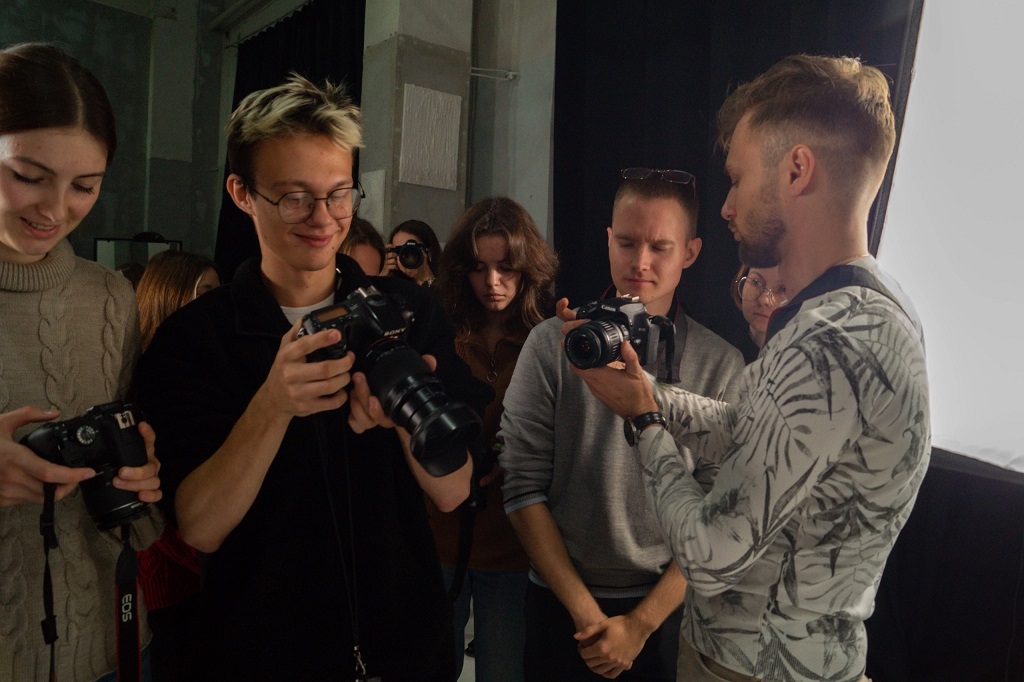
Nowadays media professionals must possess knowledge of social, historical, and cultural issues, be able to engage with audiences through effective channels, and package information in technologically advanced formats. Therefore, we built the program on three principles: a relevant presentation of fundamental disciplines, the development of specialized and flexible skills, and the mastery of digital tools for working with content.
This professional flexibility allows our graduates to work not only in journalism, including specialized fields (science, sports, music), but also in advertising, marketing, media management, social media marketing, tourism, public relations, and research.
Program Description
Senior students enjoy a customized study schedule and employment opportunities thanks to direct access to employers.
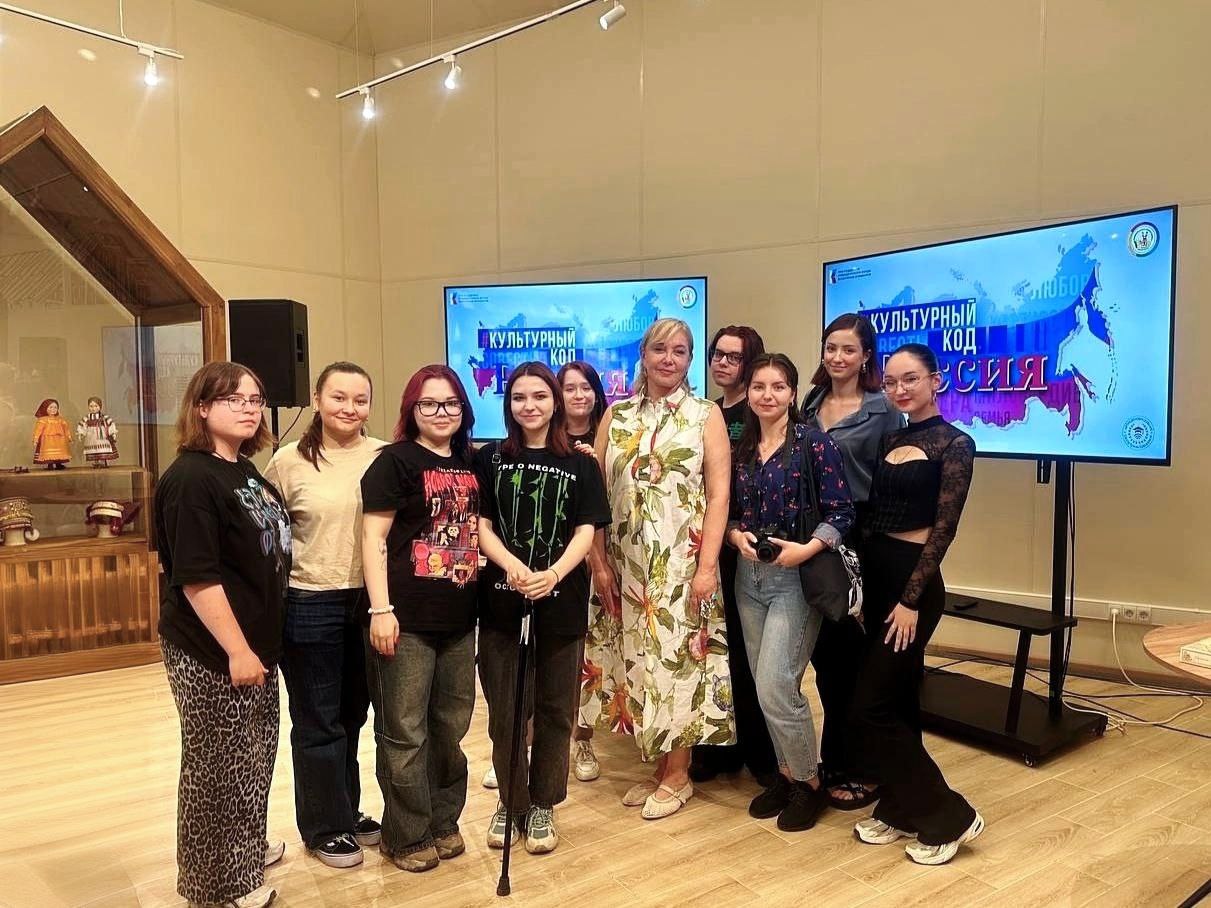
Work with traditional and new media within the concept of convergent journalism, which implies the fusion of media and communications technologies.
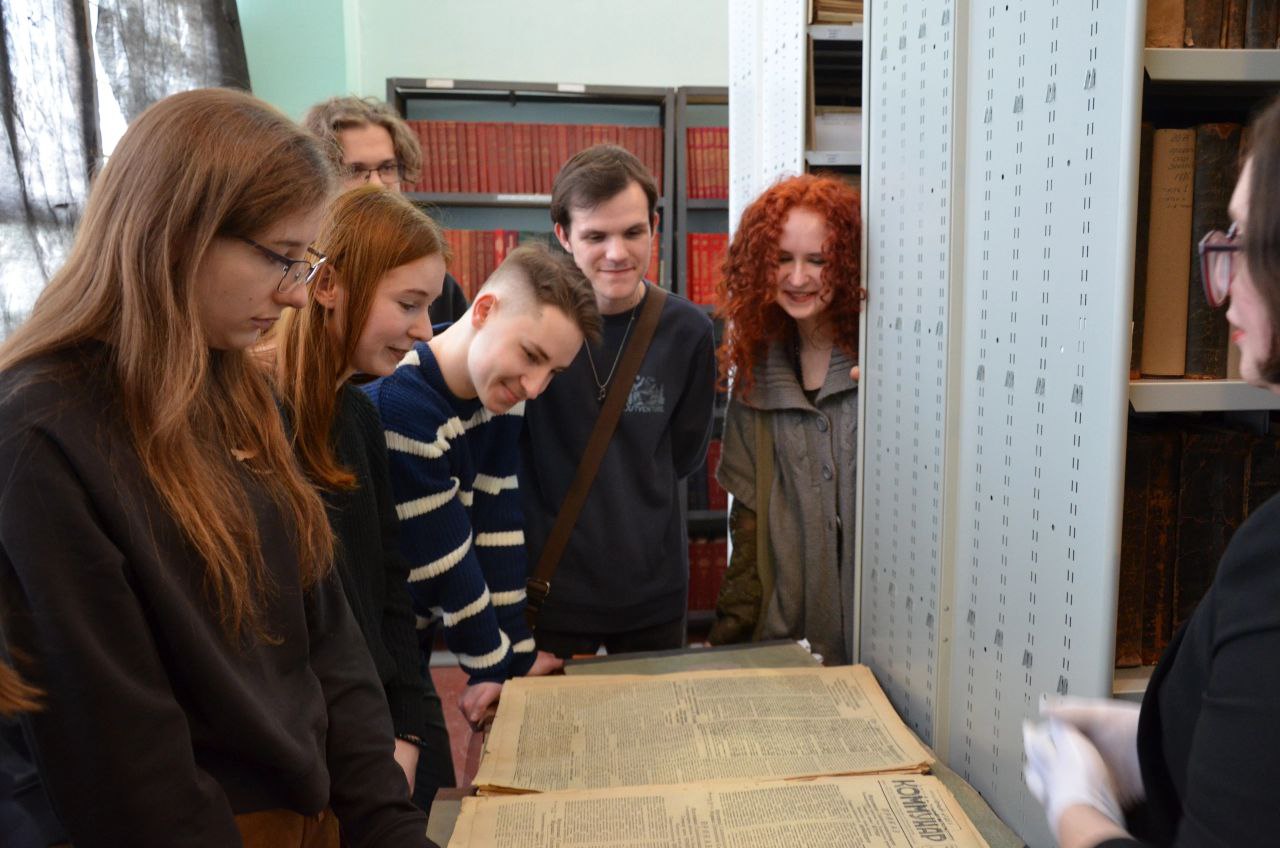
Over 60% of the program's instructors are practicing industry professionals, including young media professionals.
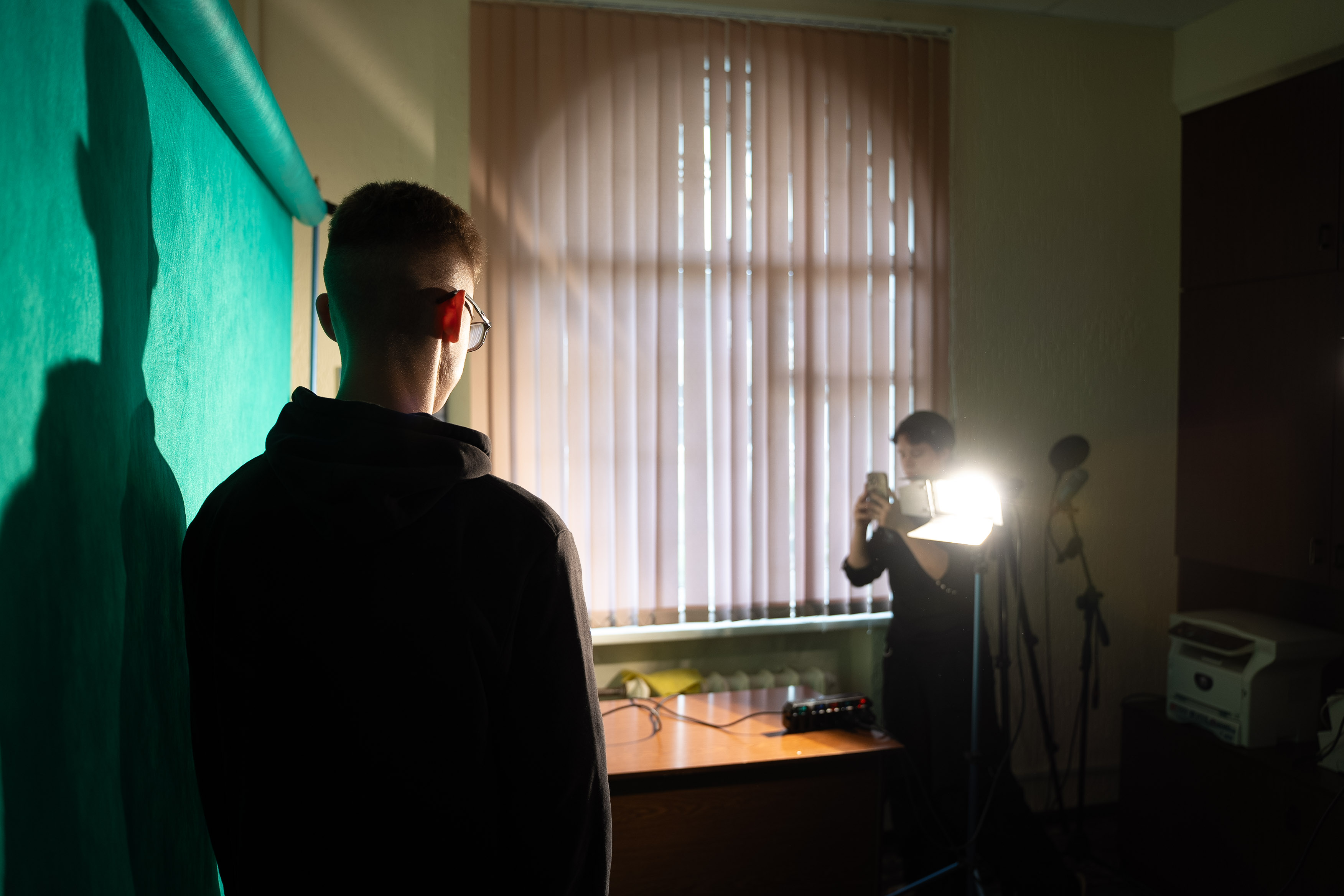
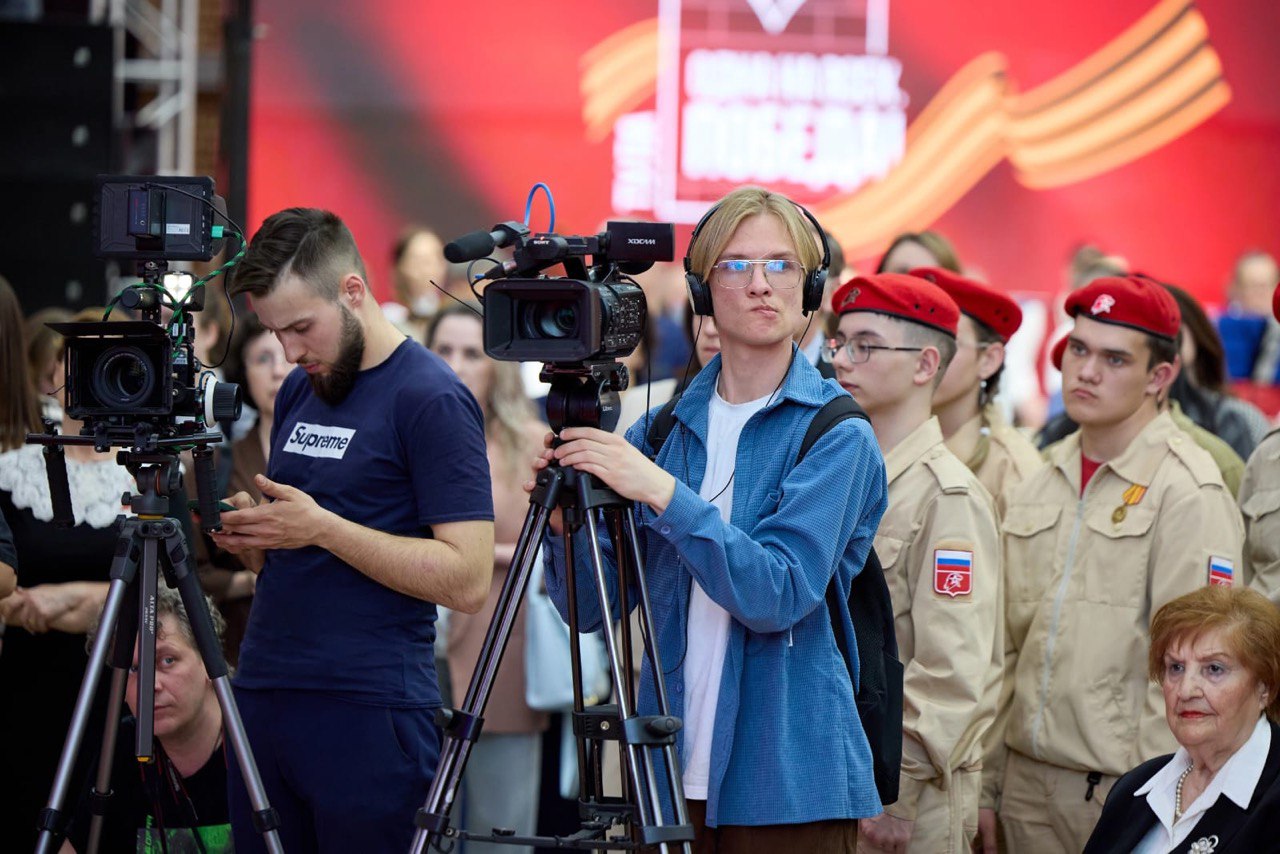
Practical training in editorial offices, radio and television studios, excursions, master classes, and access to events for preparing publications about them.
Head of Program
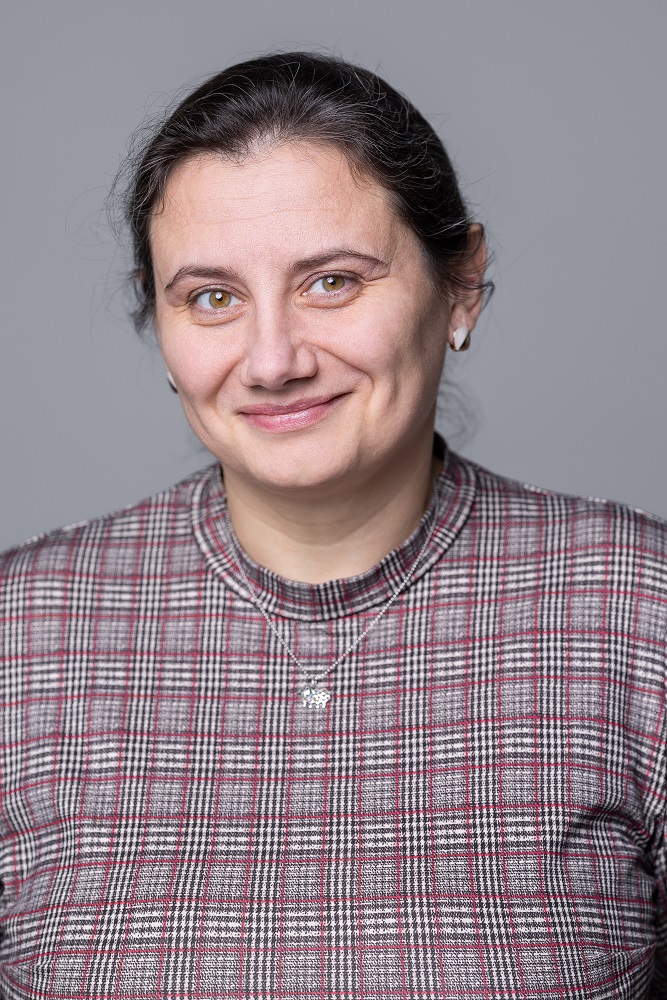
Buryakovskaya Anna Aleksandrovna
Associate Professor, Candidate of Sciences in Philology
Author of over 30 scientific papers, member of the Union of Journalists.
Area of research/professional interests: structural and semantic features of language transformation in contemporary Russian and foreign media.
Enrollment Plan1:
| Study mode | State-funded places | Hospital-funded place | Places for preferential categories | Places for special categories | Self-funded places |
|---|---|---|---|---|---|
Offline |
2 | - | 1 | 1 | 22 |
Tuition fee2:
| Study mode | Full time | Individual study path |
|---|---|---|
Full time (Offline) for the citizens of the Republic of Belarus, the Republic of Kazakhstan, the Republic of Kyrgyzstan, the Republic of Tajikistan |
171 000 roubles per year |
- |
Full time (Offline) go the citizens of other countries |
237 000 roubles per year |
- |
Entrance examination3 (minimum score):
Literature (40)
Russian Language (40)
History (40) or Geography (40) or Foreign Language (40) or Social Studies (45)
Organising Institute:
Institute of Social and Human Sciences
Submission of documents for “Regional Periodicals and Multimedia Journalism” program: +7 4872 73-44-76, e-mail: foreign@tsu.tula.ru
Submission of documents for “Translation and Translation Studies (English and German languages)” program: +7 4872 73-44-76, e-mail: foreign@tsu.tula.ru
Submission of documents for “Translation and Translation Studies (English and French languages)” program: +7 4872 73-44-76, e-mail: foreign@tsu.tula.ru
Submission of documents for a pre-university course of Russian: + 7 4872 73-44-76, e-mail: podfaktula@mail.ru
Training
The first-year program develops general cultural competencies through the study of history, law, economics, and other core humanities disciplines. The professional cycle includes such subjects as "Methodology of Text Analysis and Creation" and "Language of the Media." The year concludes with a summer internship.
Starting in the second year, more attention is paid to project work and specialized courses: "Media Techniques and Technology," "Advertising Communications in the Media," and "History of Foreign and Domestic Literature and Journalism."
Students explore contemporary trends in journalism through practical applications, creating media projects. Our students worked on the content plan for the Kulikovo Field Museum, ran a column on the MySlo portal, and participated in the "Lion's Share of the 20th Century" project at the YasnayaPolyana Museum.
The program culminates in the defense of a final qualifying thesis of a research or creative (project-based) nature. As part of their final qualification work, our students researched the phenomenon of Runglish in journalism and the vocabulary of Tula media, prepared pilot issues of a magazine and television program, and opened a virtual museum of the history of journalism.
Key disciplines
Key disciplines
- Multimedia and Internet Journalism;
- Digital Media Projects;
- Economics and Management of Mass Media;
- Advertising Communications in the Media;
- Methodology and Current Trends in Television and Radio Journalism;
- Journalistic Crafts;
- Fundamentals of Creative Journalism;
- Legal and Ethical Frameworks for Media Regulation;
- Regional Studies in the Media;
- Publishing Educational Media.
Practice
The program includes various types of internships, from introductory to pre-graduation. Students can choose their internship location at one of our partner facilities (newspaper, online portal, TV channel, press office, museum) or choose their own location in consultation with their supervisor.
Practice
Partners and Employers

Students
Our student is a humanities major with a strong grasp of digital technologies. He is interested in history, culture, art, and literature, as well as videography, editing, neural networks, augmented reality technologies, and metaverses. He has a proactive approach to life and a strong sense of values and ethics, respects diverse opinions, and wants to contribute to the future of his country.
After Graduation
Professional skills and competencies
Professional skills and competencies
- Development and implementation of media projects;
- Editorial management;
- Creation of media products;
- Information search, fact-checking;
- Media product promotion;
- Adaptation of media products to the specifics of modern media platforms;
- Use of programs and applications for generating various types of content;
- Media planning, development and implementation of content plans.
Professional Path
- Media editorial offices: journalist, radio and television presenter, producer, editor, content manager;
- Press services of organizations of any type;
- Public relations departments and units in companies, government agencies, and public organizations;
- Cultural institutions: content manager, project manager;
- Photo and video studios;
- Advertising and SMM agencies;
- Copywriting, freelance media production;
- Blogosphere.
Where to realize yourself
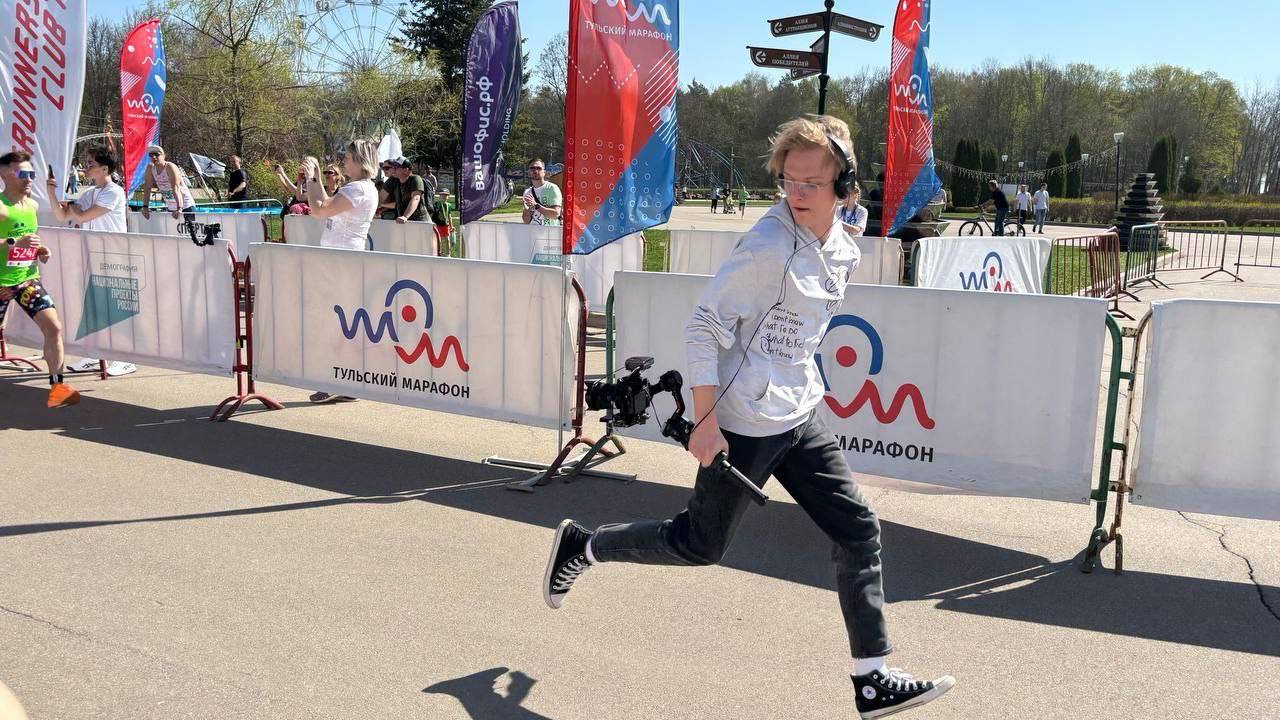
Journalism may be the best profession for those who are passionate about information technology, love incredible stories, want to be at the center of events, and enjoy their work.