Physical Culture
44.03.01 Teacher Education

About
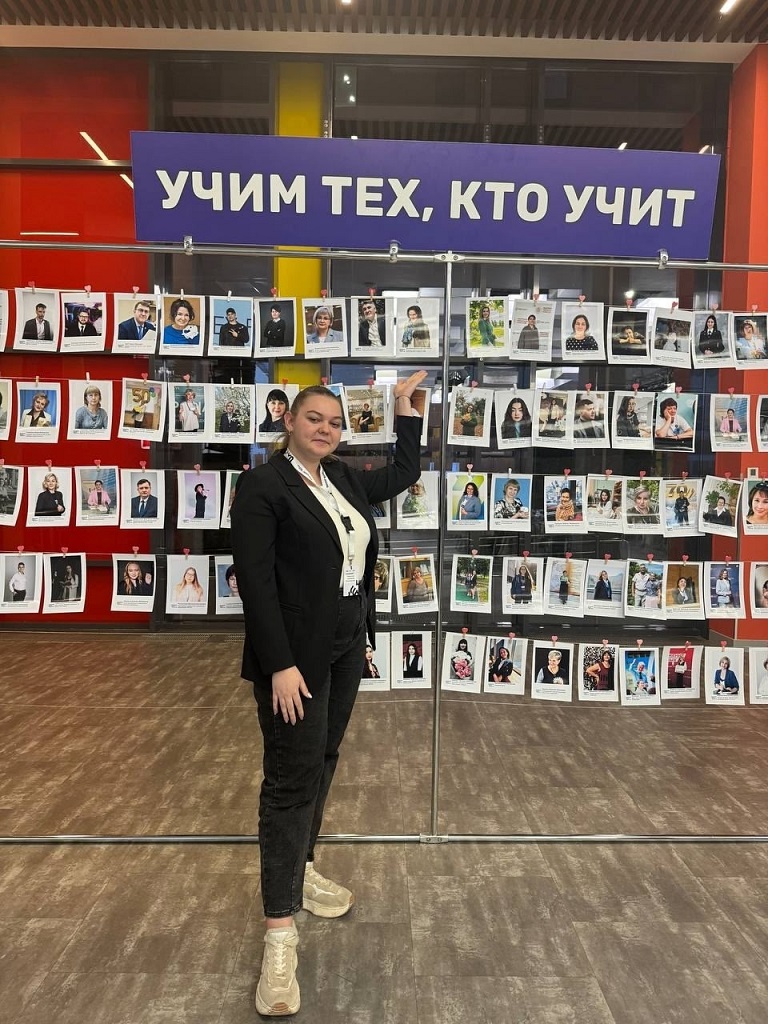
The program's mission is to prepare a new generation of physical education teachers: not just sports instructors, but mentors who foster a healthy lifestyle in children and young people, develop leadership skills, and foster active citizenship through sports and physical activity.
We teach not only how to teach physical education lessons, but also how to design sports events, organize school sports clubs, use digital technologies to monitor student health, and work with children with varying levels of fitness and health capabilities. To achieve this, you will need knowledge in pedagogy, psychology, physiology, biomechanics, modern fitness technologies, and educational management.
The educational process is structured so that our graduates can choose their career path: a traditional school teacher, a coach in supplementary education, an organizer of school sports leagues, an adaptive physical education specialist, or a methodologist developing the physical education movement in the region.
Program Description
A unique mentoring system. Each student is assigned a mentor: a university professor, a practicing teacher, or a coach-teacher. This guarantees comprehensive support and connections to the real world.
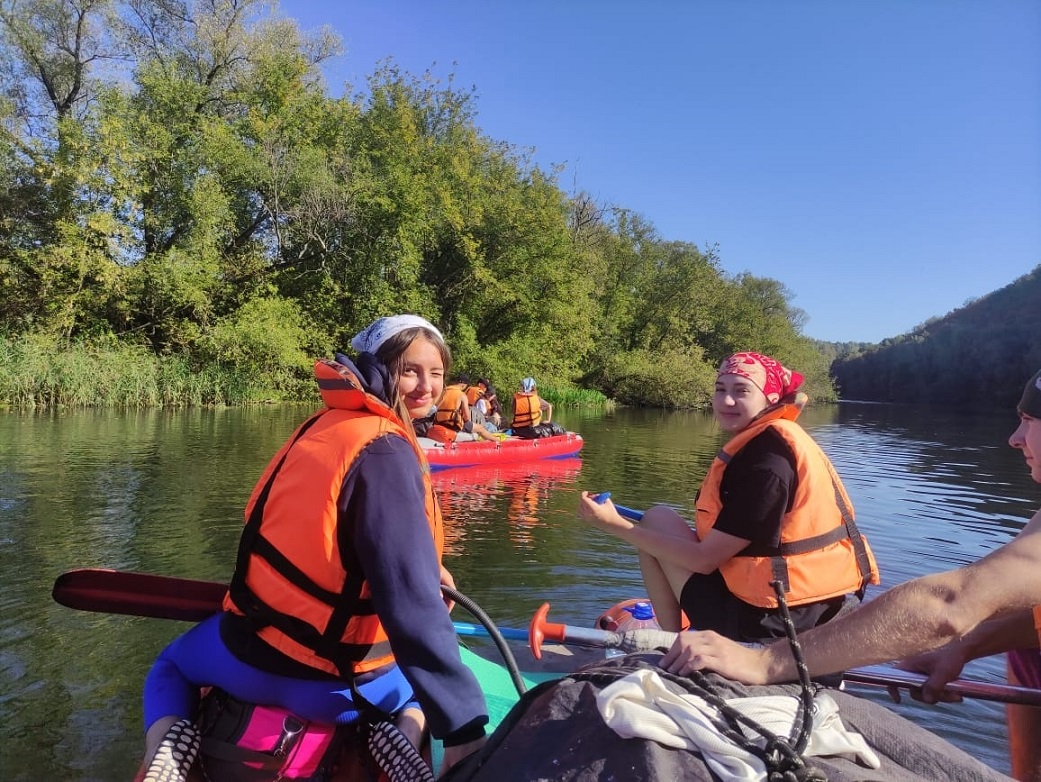
Internships begin in the first year and placements are available at the school. From the second semester, you are immersed in the profession. By the third year, 70% of our students are working part-time in their field at partner schools, gaining real-world experience and income.
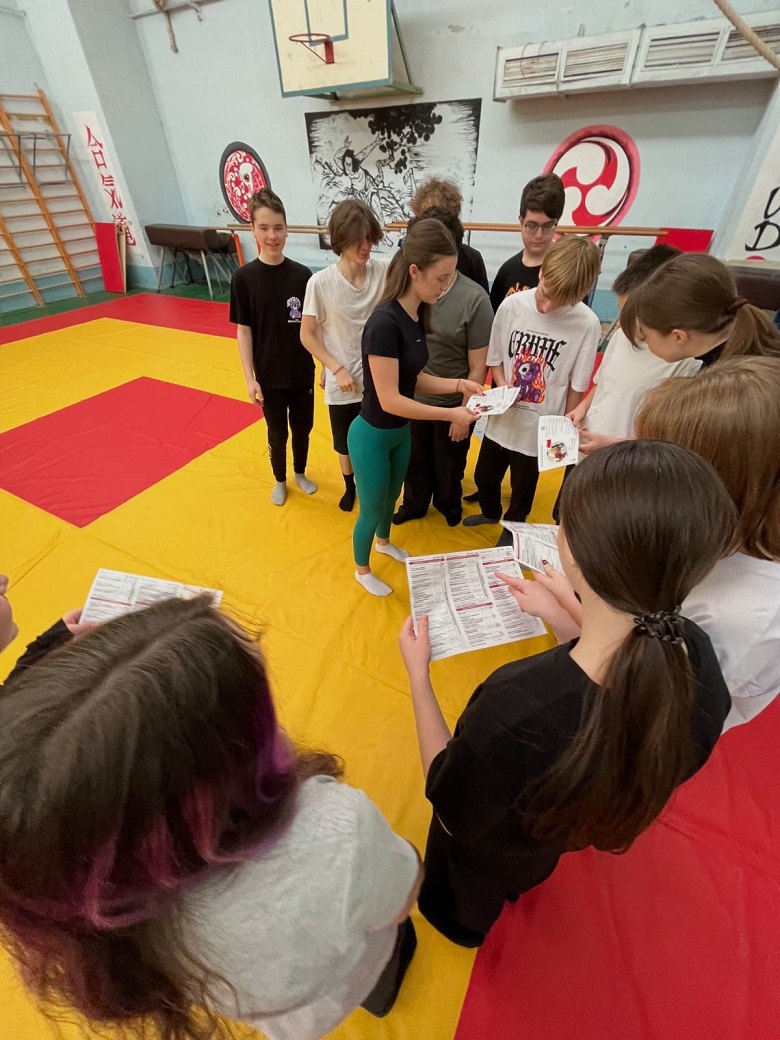
In-depth IT training for the modern teacher. We teach how to use fitness trackers, sports apps, and interactive panels in the classroom, analyze student fitness data, and create digital content for school sports clubs.
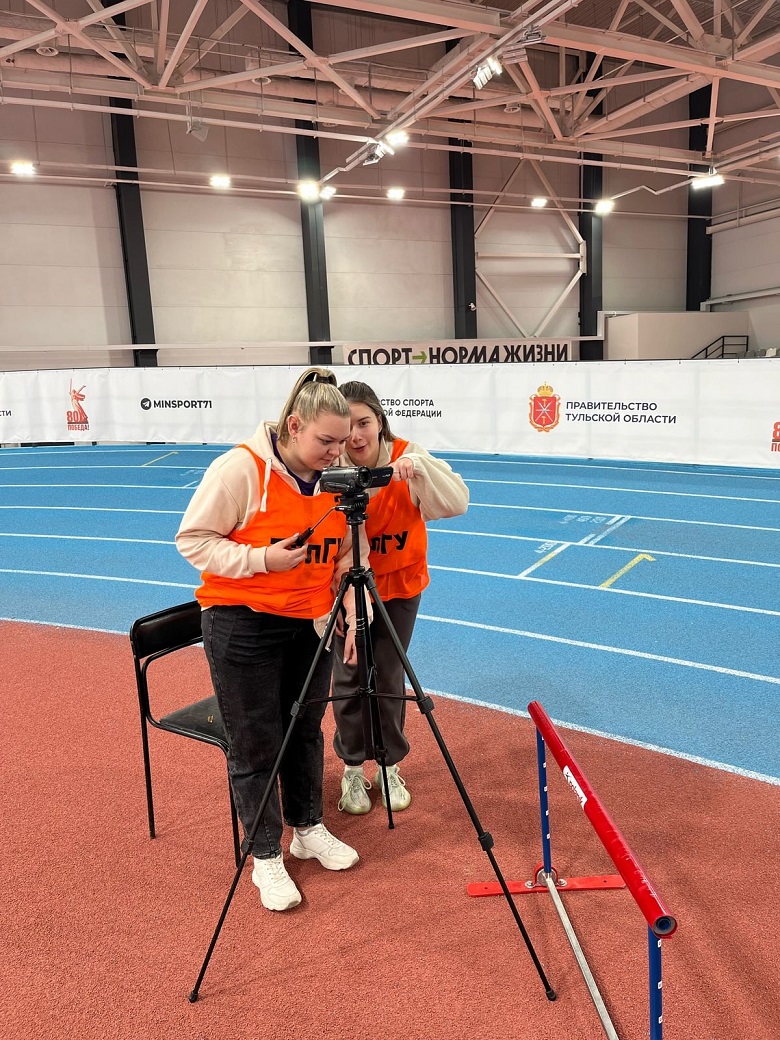
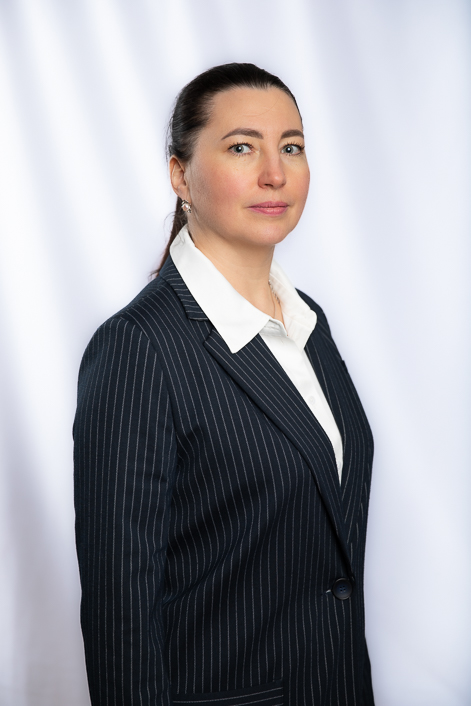
Head of Program
Arhipova Svetlana Anatolevna
Director of the Institute of Pedagogy, Physical Education, Sports, and Tourism at Tula State University, Head of the Department of Physical Culture and Health Technologies, PhD in Pedagogical Sciences, Associate Professor.
Academic and professional interests: theory and methodology of physical education and sports, teaching methods, development of physical education and sports, management of physical education and sports, and educational systems.
Member of the Public Council of the Ministry of Sports of the Tula Region.
Member of the editorial board of the Higher Attestation Commission (HAC) periodical "Bulletin of Tula State University. Physical Education. Sports."
Chair of the commission for the municipal and regional stages of the All-Russian School Olympiad in Physical Education.
Author of over 90 publications, including three monographs, over 40 publications in HAC journals, and five Scopus publications.
Enrollment Plan1:
| Study mode | State-funded places | Hospital-funded place | Places for preferential categories | Places for special categories | Self-funded places |
|---|---|---|---|---|---|
Offline |
20 | 5 | 2 | 2 | 20 |
Tuition fee2:
| Study mode | Full time | Individual study path |
|---|---|---|
Full time (Offline) for the citizens of the Republic of Belarus, the Republic of Kazakhstan, the Republic of Kyrgyzstan, the Republic of Tajikistan |
171 000 roubles per year |
- |
Full time (Offline) go the citizens of other countries |
237 000 roubles per year |
- |
Entrance examination3 (minimum score):
Social Studies (45)
Russian Language (40)
General Physical Training (30)
Organising Institute:
Institute of Pedagogy, Physical Culture, Sports and Tourism
Submission of documents for “Hospitality and Tourism Management” program: +7 4872 73-44-76, e-mail: foreign@tsu.tula.ru
Submission of documents for “Physical Culture” program: +7 4872 73-44-76, e-mail: foreign@tsu.tula.ru
Submission of documents for a pre-university course of Russian: + 7 4872 73-44-76, e-mail: podfaktula@mail.ru
Training
The first year is an immersion into the fundamentals of the profession. You'll study anatomy and physiology, the fundamentals of pedagogy and psychology, and master basic techniques for various sports. During your introductory internship at a school, you'll see how the educational system works from the inside.
In the second year, you'll begin to apply your knowledge in practice: you'll master teaching methods, plan and deliver portions of lessons, and participate in organizing the school's Spartakiad. You'll also gain your first experience with project work.
The third year is a specialization and in-depth course. You'll study specific teaching methods for various sports, the fundamentals of adaptive physical education, and educational management. Your teaching internship will include independently teaching several full lessons.
In the fourth year, you'll be fully immersed in the profession. Your pre-graduation internship and final qualifying work will allow you to solve a real-world problem at one of our partner schools. Your final qualifying work will be defended before a committee consisting of school principals and representatives of the Ministry of Education.
Examples of final qualifying work topics:
1. "Development and implementation of the 'Functional Training' module in the physical education curriculum for grades 10-11."
2. "Project for creating a school sports media center to promote a healthy lifestyle."
3. "Methodology for integrating badminton elements into the curriculum for students in grades 5-7."
4. "Organizational model for a school table tennis league."
Unique advantages:
Project-based approach: students work on real-world projects from their first year.
Interactive learning: use of simulators, case studies, role-playing games ("Pedagogical Debut"), and video lesson analysis.
Key disciplines
Key disciplines
- Theory and Methodology of Teaching (Skiing, Gymnastics, Basketball, Volleyball, Track and Field, Swimming, Sambo, Fitness Technologies, Orienteering, etc.);
- Digital Education Technologies;
- General Pedagogy, History of Teacher Education;
- Developmental Psychology;
- Innovation in Education;
- Pedagogical Technologies;
- Pedagogical Anthropology;
- Management and Regulatory Frameworks for Educational Activities;
- Fundamentals of Medical Knowledge;
- Developmental Anatomy, Physiology, and Health Culture;
- Education of Individuals with Disabilities and Special Educational Needs.
Practice
The curriculum includes all necessary types of internships:
1. Educational Internship:
- Introductory Internship;
- Technological (Project-based and Technological) Internship;
- Educational and Technological Internship.
2. Industrial Internship:
- Research Project (two semesters);
- Teaching Internship (two semesters).
Introductory Internship means getting to know the school.
Teaching Internship – teaching lessons under the guidance of a mentor.
Summer Internship provides for working as an instructor at children's health camps.
Research Project – collecting materials for final qualifying work.
Internships are organized at more than 20 schools and supplementary education centers in Tula. Students can be officially employed during their internship.
Practice
Partners and Employers
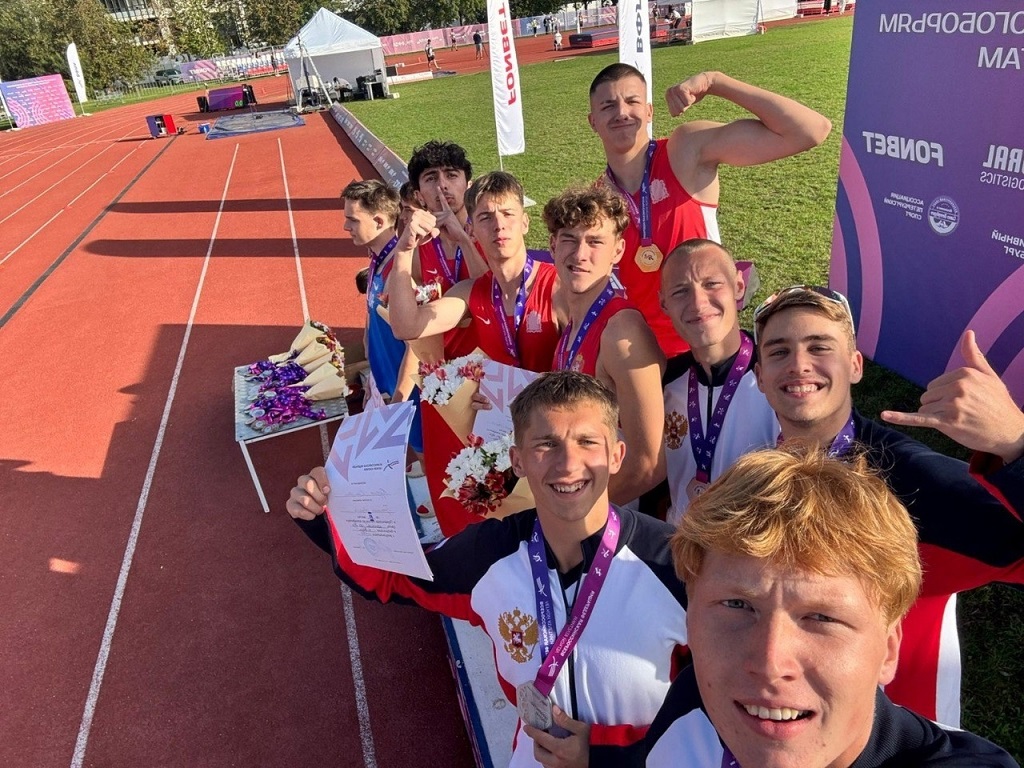
Students
Our ideal student is a future teacher who leads an active lifestyle, enjoys sports (not necessarily at a professional level), loves working with children, and possesses leadership qualities. They are open to new experiences, are able to take responsibility, and want to not just "set standards" but educate and inspire.
After Graduation
Professional skills and competencies
Professional skills and competencies
- Conducting physical education lessons in accordance with modern Federal State Educational Standards;
- Organizing and judging school and municipal sports competitions;
- Developing extracurricular activity programs and running a school sports club;
- Using digital tools to assess students' physical development;
- Fundamentals of working with children with disabilities in an inclusive environment.
Professional Path
- Education: school, lyceum, and gymnasium teacher; coach/instructor at youth sports schools and supplementary education centers;
- Public administration: sports and recreation specialist in municipalities;
- Children's recreation: instructor at health camps;
- Entrepreneurship: opening your own sports clubs for children.
Where to realize yourself
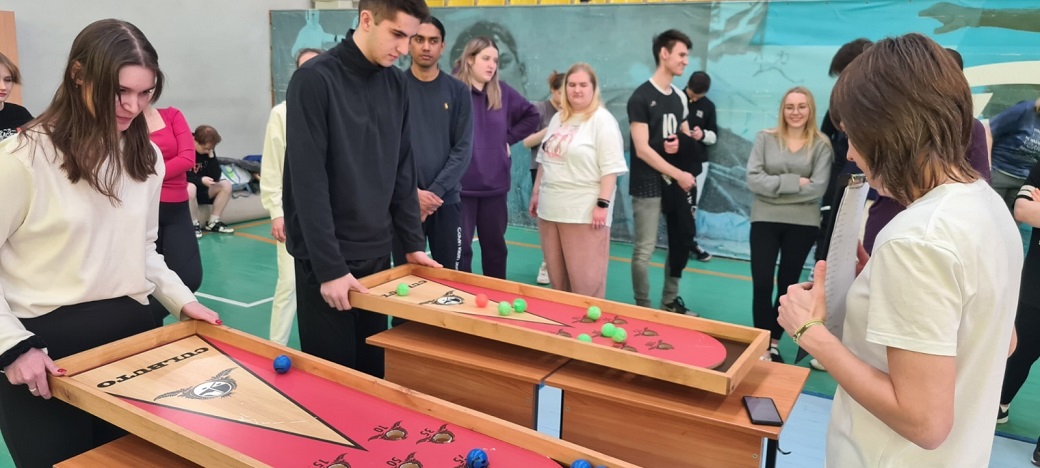
Physical education isn't about standards. It's about developing lifelong habits of being healthy and active, about teamwork, character, and victory — not just on the playground, but also over oneself. If you want to become the kind of teacher who changes children's lives, ignites their passion for movement, and becomes a true authority, this is your place. Combine sports, pedagogy, and technology, and get going!