Pediatrics
31.05.02 Pediatrics

About
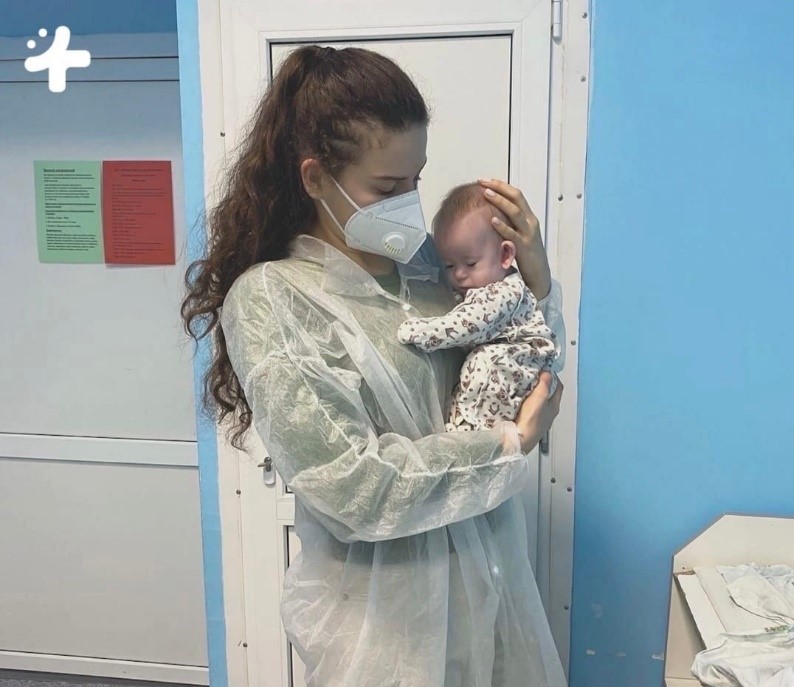
The Pediatrics educational program is aimed at training pediatricians with the in-depth theoretical knowledge and practical skills necessary to provide medical care to children in our region and beyond.
Program Description
Work during student years. Students who successfully complete three or more years of higher medical education in General Medicine and Pediatrics can earn a certificate and work as a nurse, ambulance attendant, or ambulance paramedic.
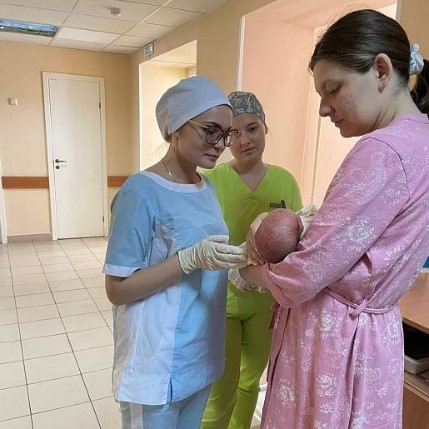
Fundamental training. Studying fundamental disciplines is the foundation of medical education and lays the foundation for medical students, enabling them to easily master clinical disciplines and develop in research.
The simulation center is widely used in the educational process. Here, students begin to practice practical skills, manipulations, surgical and resuscitation techniques on simulators and models before working with young patients in a real clinical setting.
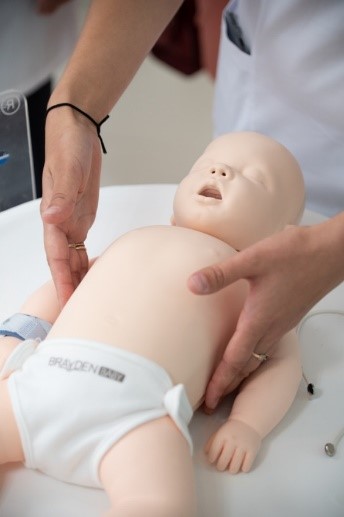
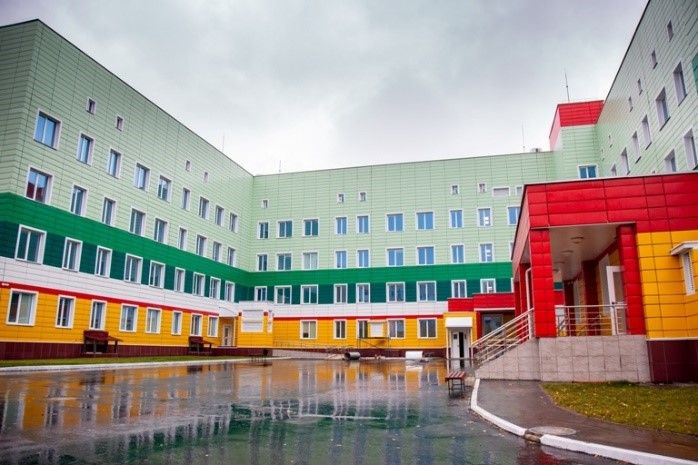
Clinical sites. The Department of Pediatrics is located on the premises of the Tula Regional Children's Clinical Hospital, where practical classes for students and residents are also held. Other facilities for studying pediatrics include: the Tula Children's City Clinical Hospital; the E.G. Lazarev City Clinical Hospital No. 2, Children's Medical Center; the D.Ya. Vanykin Tula City Clinical Emergency Hospital (Children's Outpatient Clinic); and the Tula City Hospital No. 9.
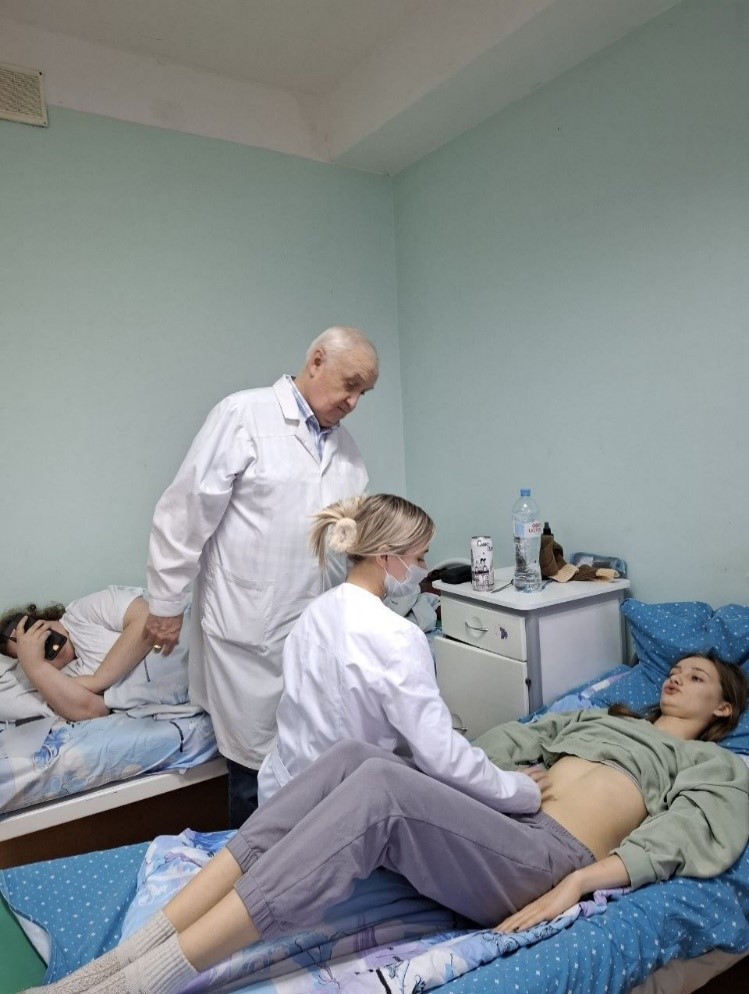
Practice-oriented. The educational process takes place "at the patient's bedside," allowing students to acquire essential practical skills, assess their capabilities, and learn to build relationships with young patients and their parents.
Career Paths. Medical organizations in Tula and the surrounding region are eager to recruit pediatricians. For those who wish to continue their education and become a specialist, the medical institute offers clinical residency opportunities in such specialties as otolaryngology, ophthalmology, neurology, pediatric surgery, and many others. Those wishing to continue their research can enroll in graduate school and subsequently become members of our teaching team.
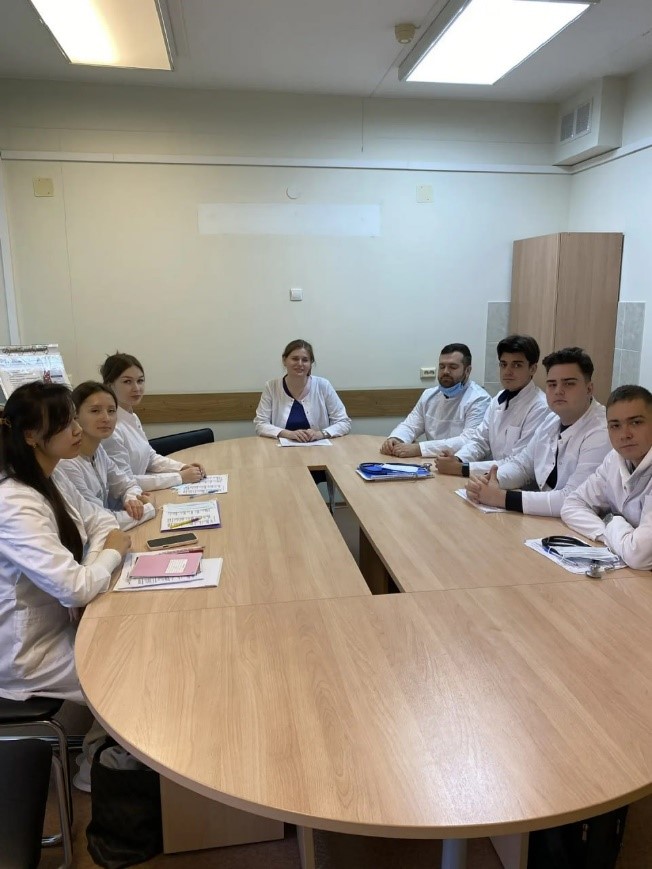
Research. Students' research is supported and encouraged, beginning in their first years of medical school. Clinical research is based on an analysis of current literature, patient observation, and evaluation of the effectiveness and safety of diagnostic and therapeutic measures, which can improve the treatment of children.
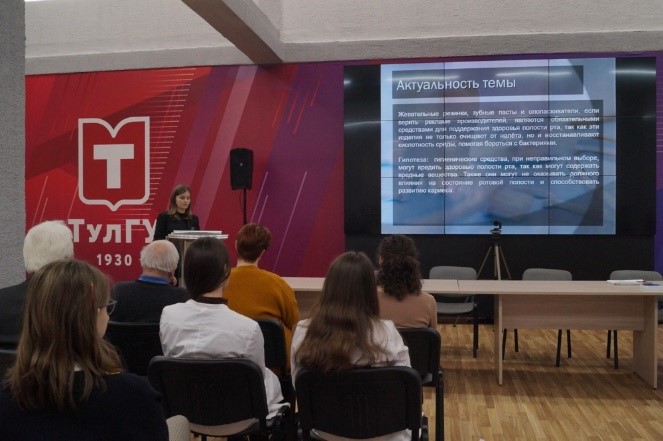

Head of Program
Sapozhnikov Vladimir Grigorevich
Doctor of Medical Sciences, Professor, Head of the Department of Pediatrics.
Honorary Worker of Higher Professional Education of the Russian Federation, Academician of the Russian Academy of Natural Sciences and several other academies.
Research/professional interests: developing new diagnostic and treatment methods for children with gastrointestinal diseases based on their constitutional somatotype.
Enrollment Plan1:
| Study mode | State-funded places | Hospital-funded place | Places for preferential categories | Places for special categories | Self-funded places |
|---|---|---|---|---|---|
Offline |
23 | 17 | 3 | 3 | 7 |
Tuition fee2:
| Study mode | Full time | Individual study path |
|---|---|---|
Full time (Offline) for the citizens of the Republic of Belarus, the Republic of Kazakhstan, the Republic of Kyrgyzstan, the Republic of Tajikistan |
228 000 roubles per year |
- |
Full time (Offline) go the citizens of other countries |
285 000 roubles per year |
- |
Entrance examination3 (minimum score):
Russian Language (40)
Chemistry (43)
Biology (43)
Organising Institute:
Submission of documents for Bachelor’s, Specialist’s and Master’s degree programs: +7 4872 73-44-76, e-mail: foreign@tsu.tula.ru
Submission of documents for a pre-university course of Russian: + 7 4872 73-44-76, e-mail: podfaktula@mail.ru
Training
During their first two years, students study fundamental disciplines and acquire general professional competencies, completing internships: an introductory course in the first year and a practical course in the remaining years. Beginning in their third year, the curriculum primarily focuses on professional disciplines related to various areas of pediatrics. Students who have successfully completed three or more years of higher medical education in the specialty "Pediatrics," with a certificate of completion and a positive result on the medical professional certification exam, confirmed by an extract from the exam protocol, may work in the following positions: nurse/nurse, paramedic, responding to emergency medical calls and transferring them to mobile ambulance teams, and paramedic as part of a mobile ambulance team, under the supervision of an emergency medical doctor.
At the end of their sixth year, graduates undergo state final certification and initial accreditation in pediatrics.
Key disciplines
Key disciplines
- Propaedeutic of Childhood Diseases;
- Childhood Infectious Diseases;
- Pediatric Surgery;
- Neonatology;
- Outpatient Pediatrics;
- Faculty Pediatrics;
- Hospital Pediatrics;
- Anesthesiology, Resuscitation, and Pediatric Intensive Care.
Practice
The program includes various types of internships: educational (introductory) in the first year, and industrial placements in years 2-6. Internships are conducted under practical training agreements at medical organizations with the necessary human resources and scientific and technical potential, whose primary activities predetermine the availability of graduates' professional activities in their respective fields and the work of specialists, as well as at departments and other divisions of the University.
Practice
Partners and Employers
Students
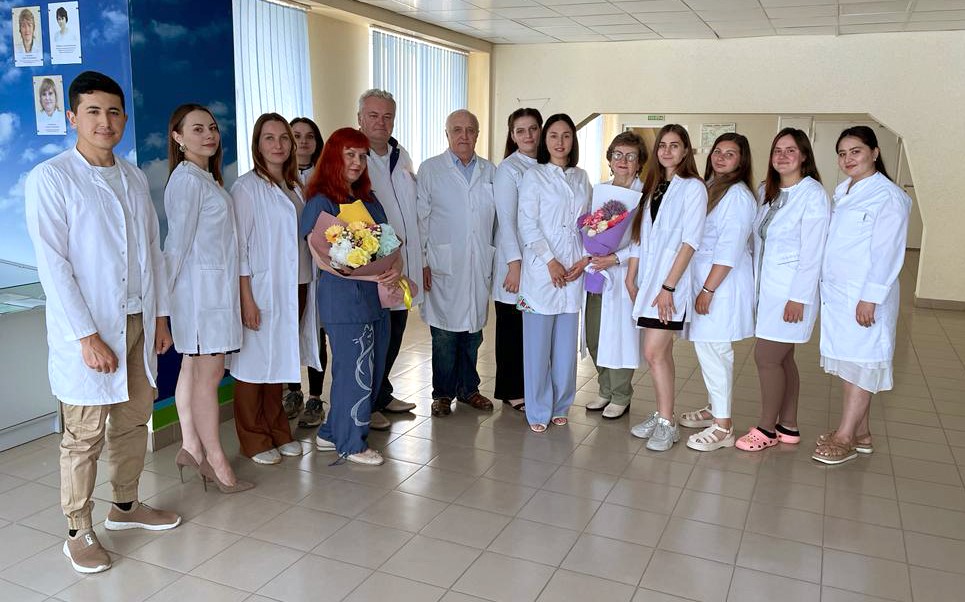
Our students are interested in medicine and pediatrics. They possess logical clinical thinking, are eager to learn new things, and are skilled at teamwork and generating ideas.
After Graduation
Professional skills and competencies
Professional skills and competencies
- Knowledge of the etiopathogenesis, differential diagnosis, prevention, and treatment of various childhood diseases;
- They are proficient in basic nursing techniques, laboratory and instrumental examinations, and objective examinations of sick and healthy children;
- They are knowledgeable about pediatric healthcare organization;
- They have knowledge of the age-related and constitutional features of the functioning and structure of various organs and systems in children.
Professional Path
- Children's clinics, hospitals, and children's sanatoriums;
- Pediatric research institutions;
- After completing their studies at the university in Pediatrics, graduates have the same opportunity as graduates in General Medicine to choose medical specialties when entering residency.
Where to realize yourself
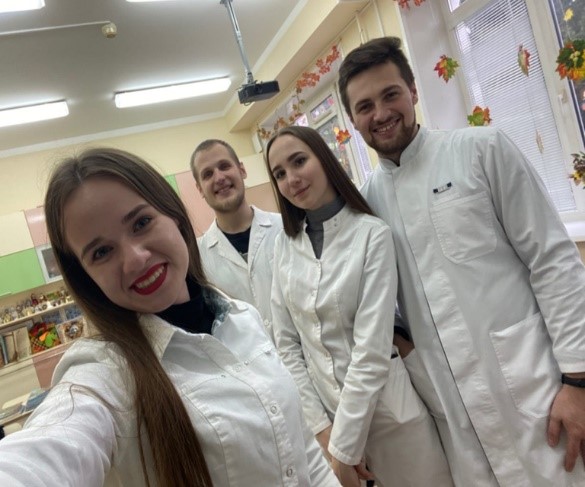
Becoming a pediatrician isn't just about getting a profession; it's about choosing a life filled with meaning and a special calling connected to caring for, protecting, and helping children! If you're patient, kind, sociable, and stress-resistant, you'll make a wonderful pediatrician, and we'll be happy to help you realize that dream!