Molecular Biotechnology and Bioengineering
19.03.01 Biotechnology

About
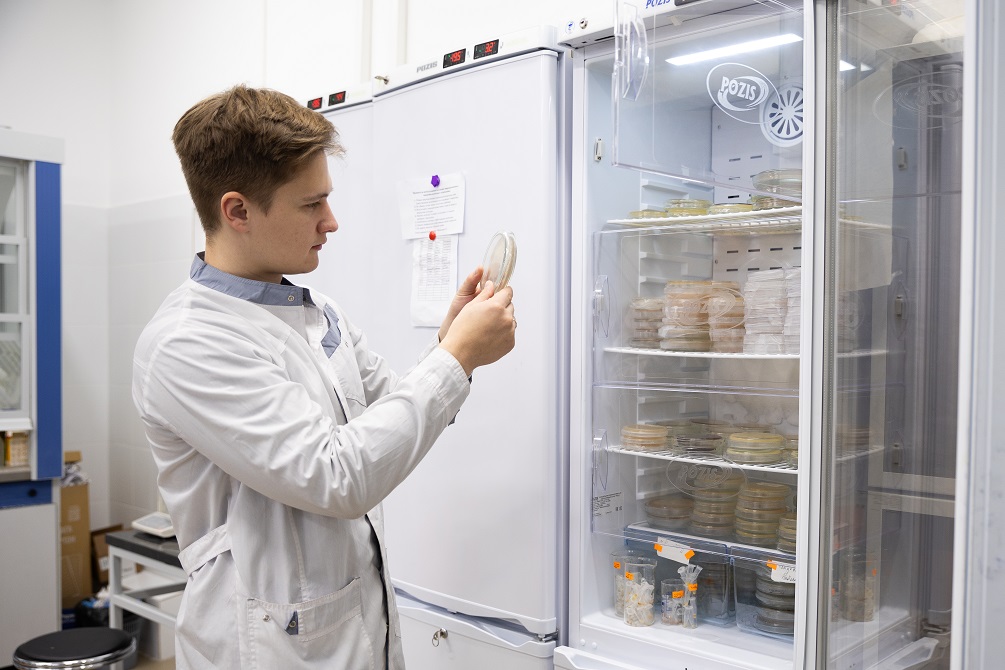
Biotechnology is the use of living organisms, including those created by genetic engineering methods, to solve technological problems. Along with artificial intelligence or quantum computing, this is a key area of scientific and technological progress.
Based on scientific discoveries, biotechnologists are already blurring the line between fiction and reality - they grow living organs, “resurrect” extinct animals, and edit genes. They also successfully solve many practical problems: they create medicines and vaccines, gene therapy methods and new materials, breed plants with beneficial properties, and develop ways to purify water and air.
Our mission is to train a new generation of biotechnological engineers capable of solving global problems in the fields of medicine, ecology, agro‒industrial complex and creation of new materials using living systems and biological processes. Such specialists are necessary in the modern world: they participate in the creation of new medicines, vaccines, diagnostic kits, and personalized medicine products. They receive plant protection biologics, feed additives, and functional nutrition products to solve food security problems. They also develop bioremediation technologies for soil and water purification, waste recycling and they are needed in the production of biopolymers, biodegradable plastics, and enzymes for “green” chemistry.
This direction is for those who want to be at the forefront of science, work with technologies that will change the world in the next 10-20 years and have a profession of the future with great potential for growth and high competitiveness in the global labor market.
We cooperate with all food and biotechnology companies in the Tula region and the Pushchino Scientific Center for Biological Research of the Russian Academy of Sciences. Our training is based on the latest scientific achievements and modern production technologies. Our graduates can build a career as a researcher or engineer in a high-tech and dynamically developing industry.
Program Description
Educational process is based on scientific research, since the teachers of the Department of Biotechnology are actively engaged in scientific work, they are at the same time employees of the TulSU Scientific Research Center “Bioсhemtech”, research institutes of the Federal Research Center “Pushchinsky Scientific Center for Biological Research of the Russian Academy of Sciences”, heads of scientific grants.
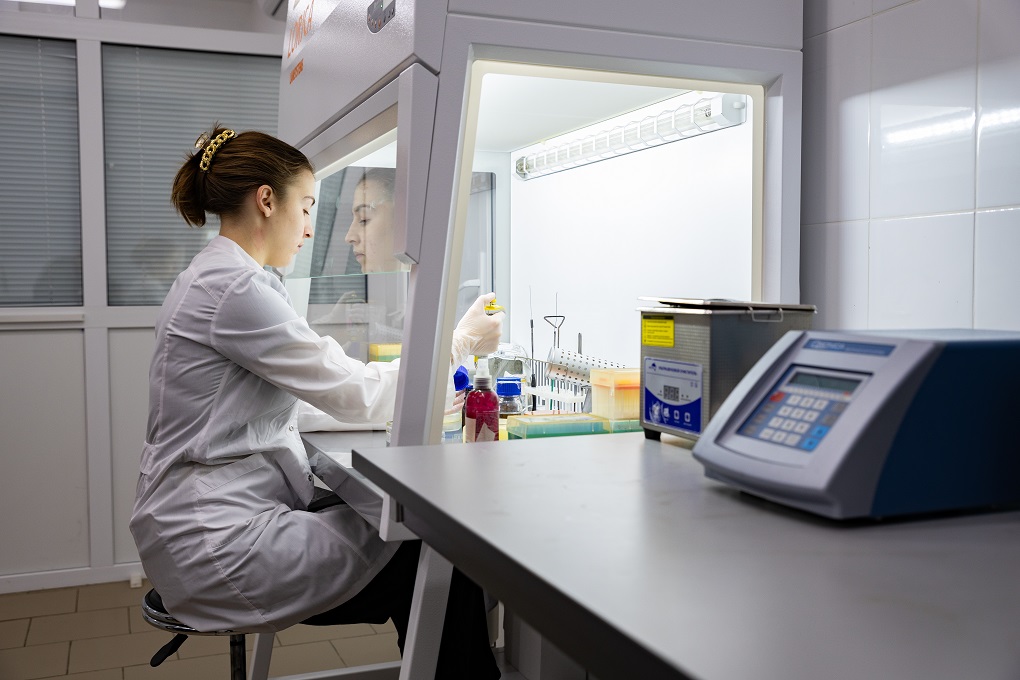
Students participate in project activities under the guidance of academic supervisors as part of their coursework, during practical trainings, and during final qualifying thesis, and present completed projects in the form of reports and presentations.
A significant amount of classroom instruction in laboratories (in the curriculum, at least 40% of the time is devoted to practical exercises and laboratory work).
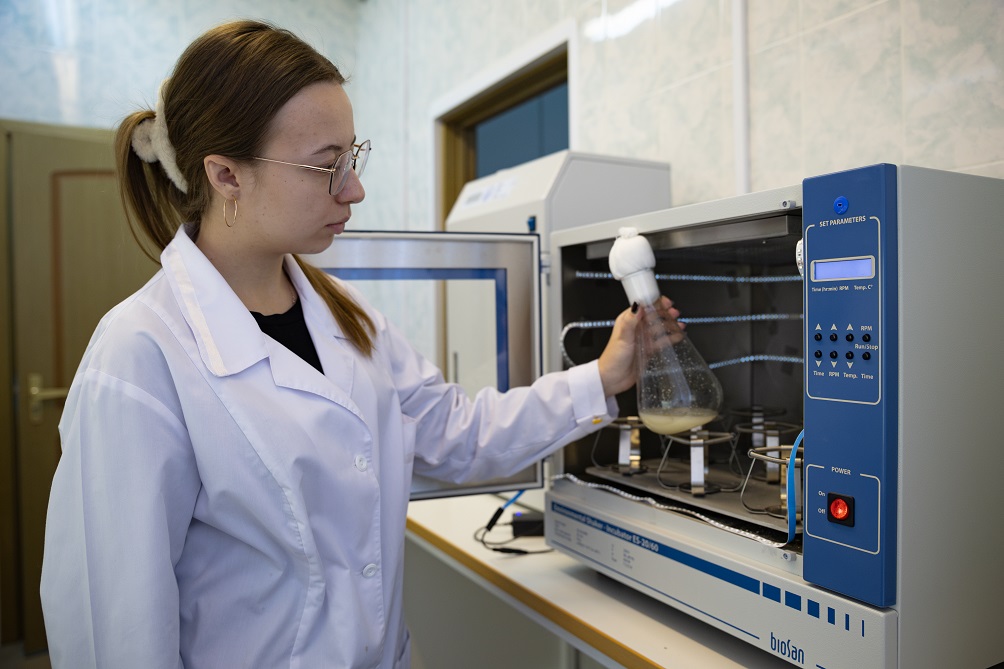
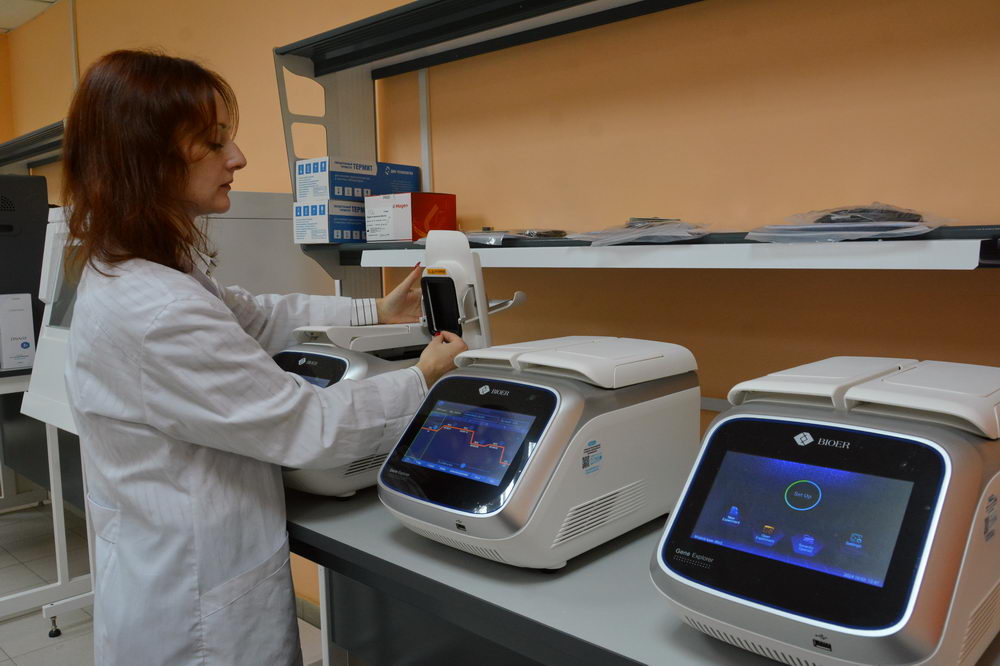
Well-developed and modern infrastructure for experimental work, modern equipment where students perform laboratory work in chemistry, biochemistry, molecular biology, microbiology, biotechnology and other disciplines.

Head of Program
Ponamoreva Olga Nikolayevna
Doctor of Chemical Sciences, Head of the Department of Biotechnology
Research/professional interests: biochemistry, recombinant enzymes, immobilized enzymes and microorganisms, enzymatic catalysis, bioelectrocatalysis, biodegradation, secondary metabolites, nanomaterials, biopolymers.
O.N. Ponamoreva is a member of the Ovchinnikov Society of Biotechnologists of Russia LLC; member of the Federal Educational and Methodological Association 19.00.00 “Industrial Ecology and Biotechnology”; editor-in-chief of “Izvestiyaof Tula State University. Natural Sciences” (edition of the All-Russia Attestation Commission); head of grants from the Russian Foundation for Basic Research and the RussianScience Foundation. Under her leadership, 7 dissertations for the degree of Candidate of Sciences and a dissertation for the degree of Doctor of Sciences were defended.
Enrollment Plan1:
| Study mode | State-funded places | Hospital-funded place | Places for preferential categories | Places for special categories | Self-funded places |
|---|---|---|---|---|---|
Offline |
29 | - | 3 | 3 | 20 |
Tuition fee2:
| Study mode | Full time | Individual study path |
|---|---|---|
Full Time (Offline) for the citizens of the Republic of Belarus, the Republic of Kazakhstan, the Republic of Kyrgyzstan, the Republic of Tajikistan |
194 000 roubles per year |
- |
Full time (Offline) go the citizens of other countries |
235 000 roubles per year |
- |
Entrance examination3 (minimum score):
Russian Language (40)
Chemistry (40)
Mathematics (40) or Biology (40)
Organising Institute:
Submission of documents for “Molecular Biotechnology and Bioengineering” program: +7 4872 73-44-76, e-mail: foreign@tsu.tula.ru
Submission of documents for a pre-university course of Russian: + 7 4872 73-44-76, e-mail: podfaktula@mail.ru
Training
Biotechnology is an interdisciplinary field of human activity, therefore, in order to become a real biotechnologist, it is necessary to master disciplines from different fields of science and technology. For the first two years, students study fundamental disciplines and gain general professional competencies in the fields of Engineering, Technology, Analytical, Organic and Bioorganic Chemistry and Microbiology, which is when technological and molecular thinking is formed.
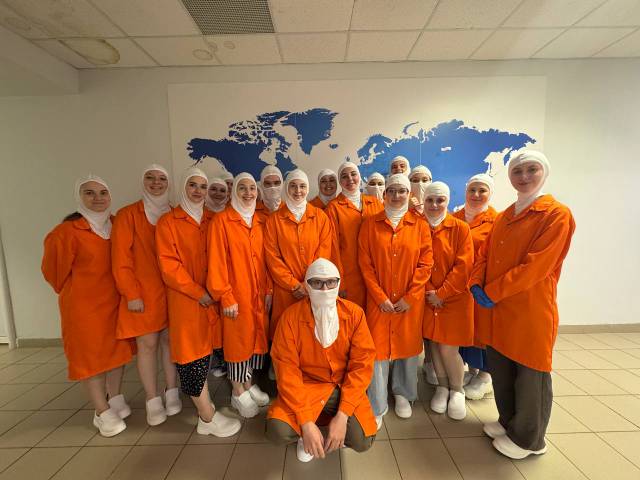
During classes in the discipline “Introduction to Biotechnology” from the first days of study at the university, future biotechnologists get acquainted with the subject, their future activities, professional online resources on molecular biology and biotechnology, listen to interesting lectures by invited scientists, choose the direction of their future activities in order to form an individual learning trajectory. After the first year, during the introductory internship, they visit enterprises of the food, biotechnological, pharmaceutical industries, and research institutes of the Pushchinsky Scientific Center for Biological Research of the Russian Academy of Sciences. After the second and the third years, students undergo their practice at manufacturing enterprises (Generium, Agrofid, Biom, Tula Dairy Plant, etc.) and at the Biochemtech research laboratories and the Federal Research CenterPushchinsky Scientific Center for Biological Research of the Russian Academy of Sciences.
Key disciplines
Key disciplines
- Microbiology with the Fundamentals of Virology
- Chemistry of Biologically Active Compounds
- General Biotechnology and Theoretical Foundations of Biotechnology
- Chromatographic Systems in Biotechnology
- Biochemistry
- Molecular Biology with the Fundamentals of Genetic Engineering
- Biotechnology Processes and Apparatuses
- Nanobiotechnologies
- Biotechnology of Sustainable Development
- Engineering Enzymology
Practice
The program provides for various types of practice: educational (introductory, obtaining primary skills in research), industrial (technological, research), pre-graduate.
Technological practice takes place in specialized organizations:
- Tula Dairy Plant JSC
- Federal State Budgetary Institution of Science“Institute of Cell Biophysics”, Russian Academy of Sciences
- “Biom” SC
- AgrofidRus LLC
Practice
Partners and Employers
Students
Our students study with great interest, do scientific work, present their results at youth conferences, win competitions and olympiads, and as a result, about 50% of students graduate with honors. They have analytical skills. They are ready to constantly learn new things and are able to work in a team and generate ideas.
After Graduation
Professional skills and competencies
Professional skills and competencies
- Work on modern equipment for physico-chemical analysis, chromatography
- Work with microorganisms
- Biochemical skills of working with biological and food molecules (proteins, including enzymes, carbohydrates, lipids, secondary metabolites of microorganisms)
- Knowledge of the fundamentals of bioinformatics for cloning genes in order to obtain recombinant proteins, methods of working with genes (PCR, sequencing, etc.)
- Work with laboratory equipment and model systems for molecular biotechnology
Professional Path
- Researcher at research institutes (for example, institutes of the Russian Academy of Sciences, Vector, Gamaleya Center).
- Developer/Bioengineer in pharmaceutical and biotechnological industries (BIOCAD, R-Pharm, Generium, Pharmstandard).
- Quality control specialist (QA/QC) in the food, pharmaceutical, and cosmetics industries.
- An expert in the supervisory authorities (Rospotrebnadzor (Federal Service for Supervision of Consumer Rights Protection and Human Welfare), Rosselkhoznadzor (Federal Service for Veterinary and Phytosanitary Surveillance)).
- Entrepreneur in the field of biotechnology (startups in the field of synthetic biology, agrobiotech, biomedicine).
Many of our graduates are leading scientists in the field of biotechnology and related sciences, working in research centers of the Russian Academy of Sciences, R&D laboratories of biopharmaceutical companies. Some have made professional careers in food and chemical engineering industries.
Where to realize yourself
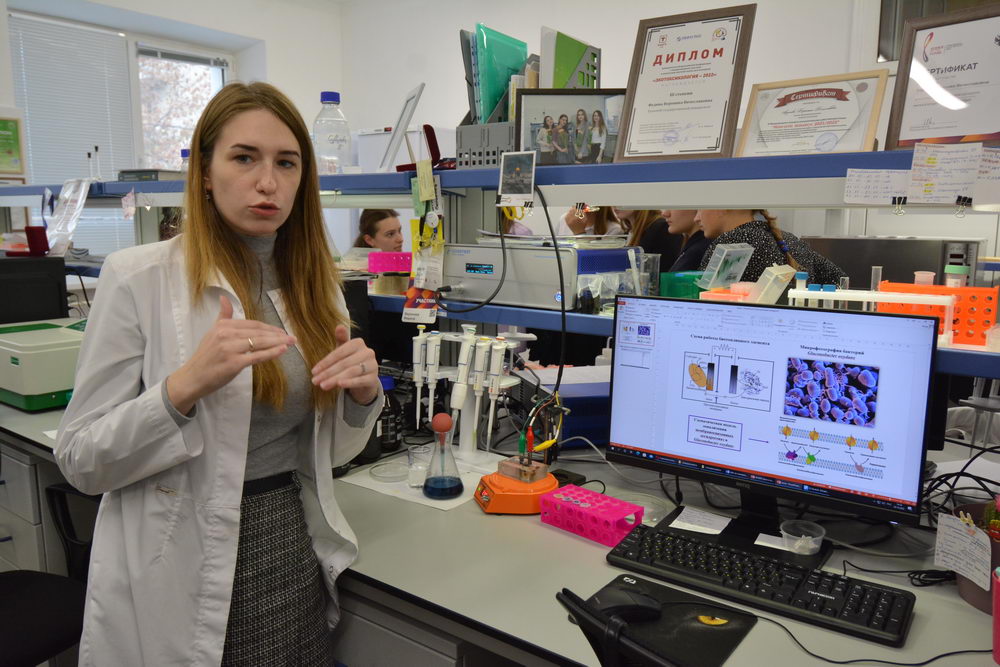
We train versatile bioengineers who don`t just study theory but are able to create new biological objects, technologies and products. By choosing our program, you are choosing not just an education, but a ticket to the profession of the future, where you can create technologies that change the world for the better with your own hands.