Linguistics
45.03.02 Linguistics

About
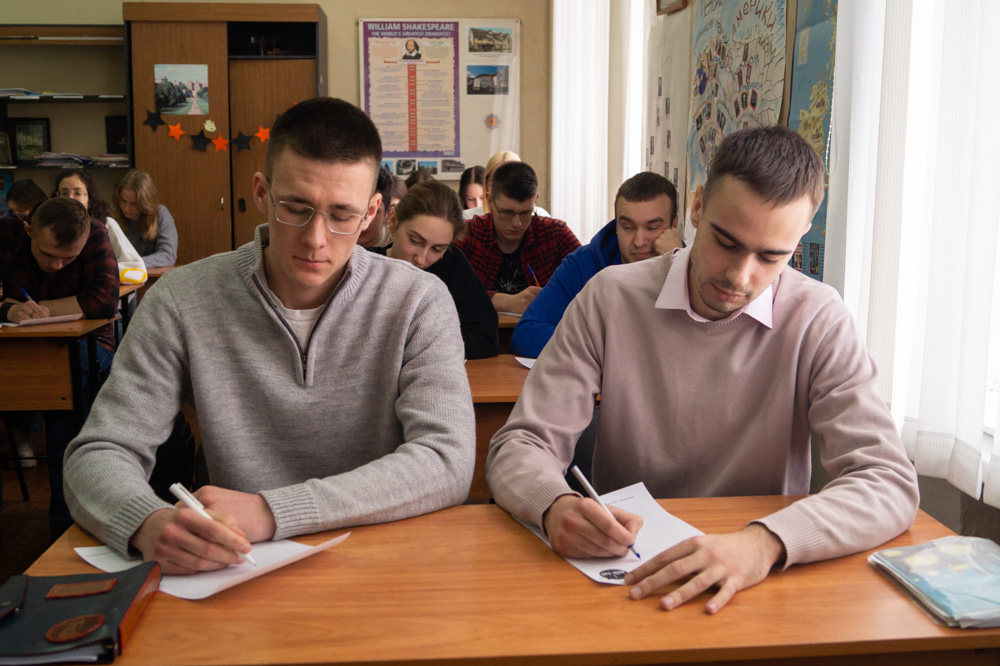
Our program trains modern linguists and translators. We teach them to understand language in all its subtleties, work with texts of any complexity – from fiction to technical documentation – and confidently mediate in lively intercultural communication.
Our students master two foreign languages at a professional level, learn to use modern digital translation tools (including CAT tools, corpus linguistics resources, and machine translation technologies), and acquire skills in demand in a wide range of fields – from international business and IT to media and tourism.
Our graduates successfully work in the most in-demand fields: translation and interpreting, international communication and intercultural management, editing and copywriting, linguistic research, and teaching.
Program Description
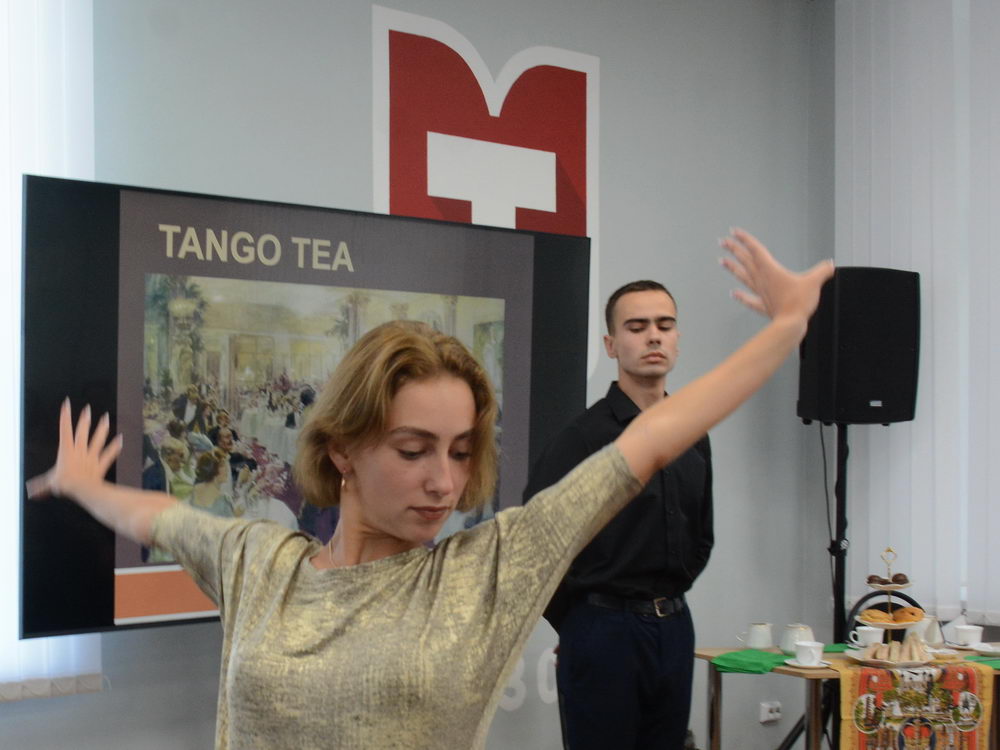
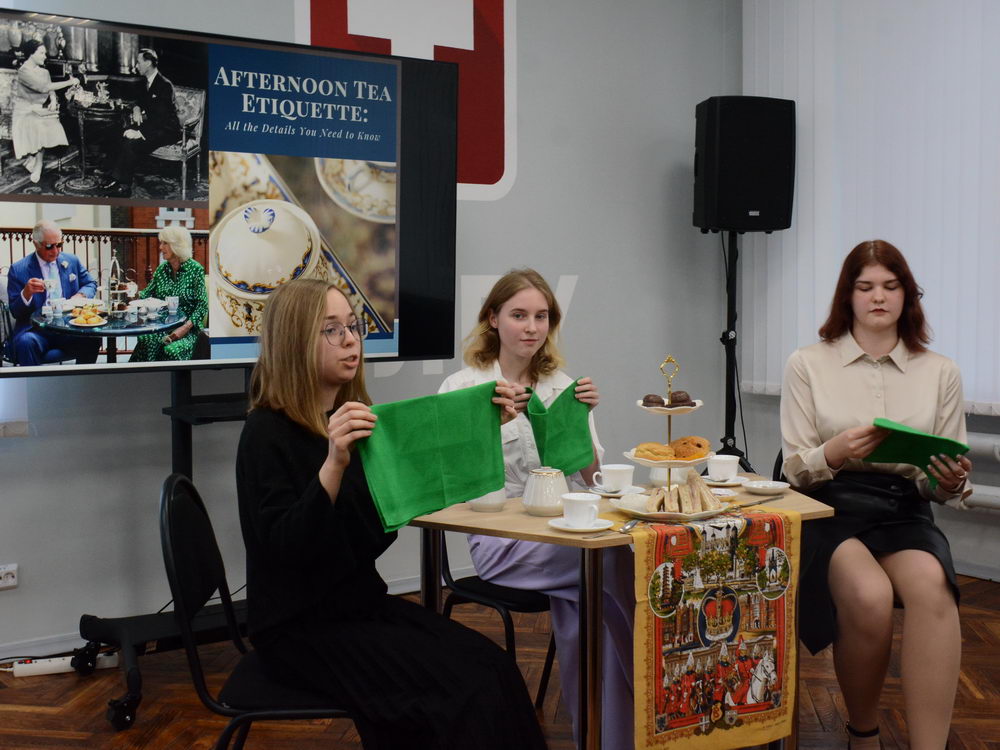
Theatre Pedagogy. You'll study the literature and history of the country of the language you're studying as real screenwriters, actors, sound engineers, and stage designers! Students stage theatrical productions based on classical and contemporary works. Our English-language student "theatre team" presents excerpts from their theatrical productions in schools in Tula and the surrounding region.
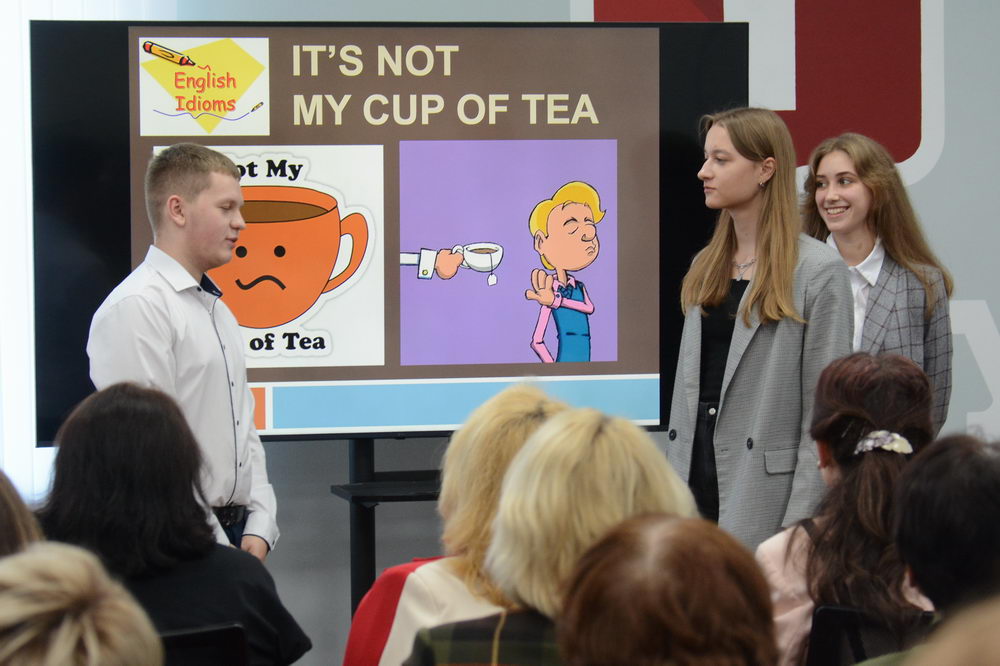
Mini-Group Work. Practical foreign language classes are held in small groups, creating a comfortable learning environment and allowing the instructor to devote more attention to each student.
Real-Life Translation Projects with Regional Partners. As early as their second year, students complete real-life translation projects for partners in the Tula region during their internship. This allows them to build a professional portfolio even before graduation.
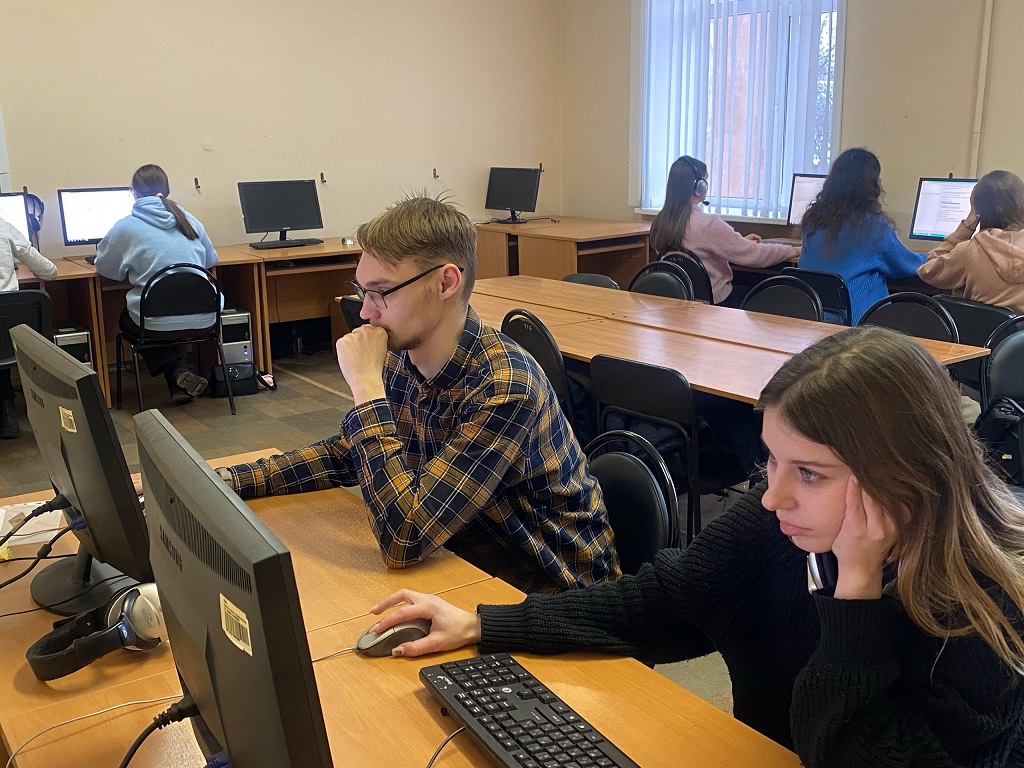
Mastering Digital Professional Tools. Students learn to use professional translation programs such as Trados, SmartCat, and OmegaT, which are widely used in the labor market today. This develops translators' digital literacy and teaches them how to develop their own translation strategies.
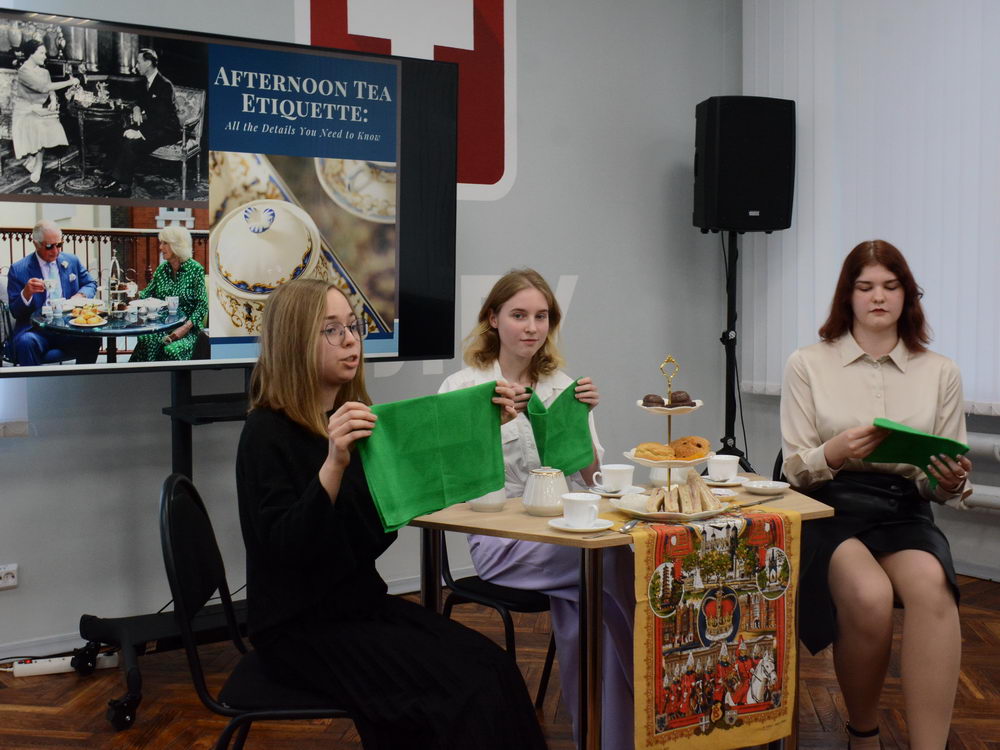
Linguistic and Regional Studies Lectures. This extracurricular educational format includes thematic projects, excursions, and visits to theaters, museums, and exhibitions in Tula and Moscow, with the goal of acquiring knowledge in intercultural communication, history, and culture. Students broaden their educational horizons and have an engaging, unforgettable time!
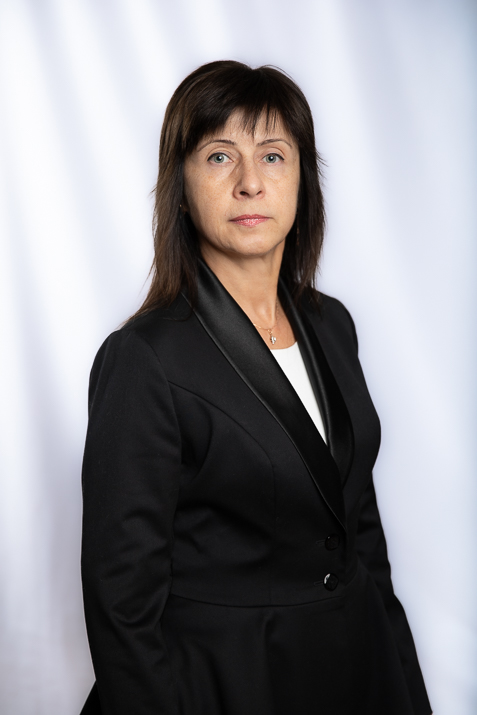
Head of Program
Ivanova Viktoria Ivanovna
Head of the Department of Linguistics and Translation, Doctor of Pedagogical Sciences, Professor
Area of research/professional interests: Linguistic and linguodidactic aspects of professional translator training.
Awards: Certificate of Honor from the Tula City Duma for academic, scientific, and methodological work, and significant contribution to the development of humanities education in the region in connection with the 15th anniversary of the Humanities Faculty of Tula State University; Honorary Badge "For Services to the University" for many years of fruitful work in developing and improving the educational process, and significant contribution to the training of qualified specialists; Certificate of Honor from the Ministry of Education of the Tula Region for active participation in organizing and conducting Regional Studies Olympiads for high school students of general educational institutions of the Tula Region; Certificate of inclusion on the Honor Board of the Administration of the Soviet Territorial District of Tula for high professional achievements in economic, social, and creative work for the benefit of the Soviet Territorial District of Tula. Honorary Diploma of the Tula Regional Duma "For achieving high results in scientific and pedagogical work and significant contribution to the training of qualified specialists"; Honorary Diploma of the Tula Region Committee for Science and Innovation "For conscientious work in the higher education system" (2023).
Author of over 150 scientific publications.
Enrollment Plan1:
| Study mode | State-funded places | Hospital-funded place | Places for preferential categories | Places for special categories | Self-funded places |
|---|---|---|---|---|---|
Offline |
4 | - | 1 | 1 | 28 |
Tuition fee2:
| Study mode | Full time | Individual study path |
|---|---|---|
Full time (Offline) for the citizens of the Republic of Belarus, the Republic of Kazakhstan, the Republic of Kyrgyzstan, the Republic of Tajikistan |
171 000 roubles per year |
- |
Full time (Offline) go the citizens of other countries |
237 000 roubles per year |
- |
Entrance examination3 (minimum score):
Foreign Language (40)
Russian Language (40)
History (40) or Literature (40) or Social Studies (45)
Organising Institute:
Institute of Social and Human Sciences
Submission of documents for “Regional Periodicals and Multimedia Journalism” program: +7 4872 73-44-76, e-mail: foreign@tsu.tula.ru
Submission of documents for “Translation and Translation Studies (English and German languages)” program: +7 4872 73-44-76, e-mail: foreign@tsu.tula.ru
Submission of documents for “Translation and Translation Studies (English and French languages)” program: +7 4872 73-44-76, e-mail: foreign@tsu.tula.ru
Submission of documents for a pre-university course of Russian: + 7 4872 73-44-76, e-mail: podfaktula@mail.ru
Training
During the first two years, alongside fundamental subjects, students undergo language training in their first language and begin to learn a second. From the third year onward, professional subjects predominate, as do translation internships, which allow students to build their own portfolio.
In classes, students work with authentic materials and utilize an interactive format (discussions, role-playing games, quizzes, etc.). Seminars are conducted in the foreign language, ensuring a natural language environment and continuous communication skills training.
Graduation theses are aimed at solving a relevant production (translation) problem, requiring students to demonstrate a high level of independence, the ability to critically analyze materials, and the use of modern translation technologies. Our students conduct research on the specifics of translating texts from modern media, public service advertising, and television shows; terminology from design and fashion, politics, and medicine; linguostylistic adaptation of text during voice-over and dubbing translation (using films as an example), etc.
Key disciplines
Key disciplines
- Practical Course in the First Foreign Language;
- Practical Course in the Second Foreign Language;
- Practical English Grammar;
- Practical English Phonetics;
- Computer-Assisted Translation Systems;
- Practical Translation Course;
- Translation Theory;
- Characteristics of Translating Specialized Texts;
- Introduction to Intercultural Communication Theory;
- Literature of the Countries of the Studied Languages.
Practice
The program offers various types of internships: academic (introductory and translation) and industrial (research, translation, and pre-graduation). Internships are held at the department's facilities, as well as in translation agencies and companies in Tula and the surrounding region.
Practice
Partners and Employers
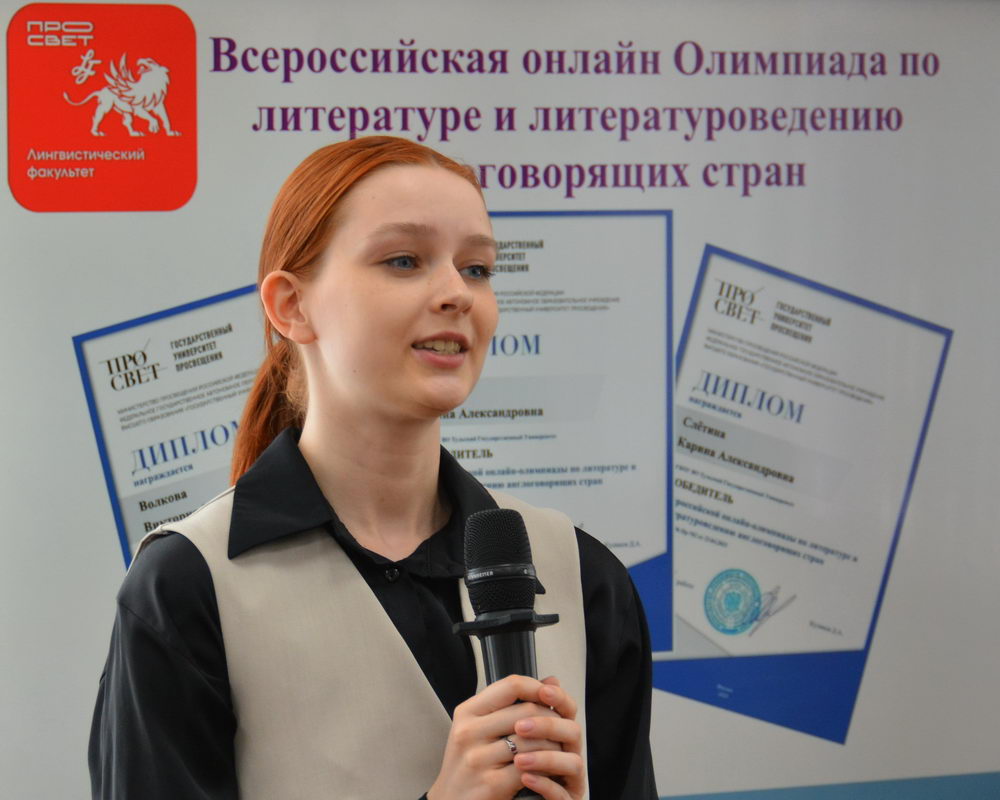
Students
Our student not only knows foreign languages and translation technologies, but also knows how to apply this knowledge professionally. They enjoy and value face-to-face communication, yet are also well-versed in new technologies (from CAT tools to neural networks). They are skilled at working with large volumes of data and are eager to use their skills to solve real-world problems in an intercultural environment.
Our students are hardworking, diligent, highly engaged, and always eager to improve themselves!
After Graduation
Professional skills and competencies
Professional skills and competencies
- Advanced proficiency in two foreign languages (speaking, oral communication, academic writing).
- Professional written translation skills for literary, journalistic, business, technical, and specialized texts.
- Skill in consecutive interpreting in business situations, meetings, tours, interviews, and presentations.
- Working with CAT tools and digital translation tools (such as OmegaT, SmartCat, Trados), and working with text corpora.
- Intercultural communication skills: understanding cultural codes, norms, and communication styles, adapting content for audiences in different countries.
- Working with authentic texts and media materials: analysis, annotation, preparing translations for the media, social media, and web platforms.
Professional Path
A linguist degree provides ample opportunities to build a career in international communications. Our graduates are in demand as:
- translators and interpreters in Russian and international companies;
- localizers for websites, software and games;
- specialists in intercultural communication and foreign economic activity;
- content managers and copywriters in media, advertising and marketing;
- teachers of foreign languages.
Where to realize yourself
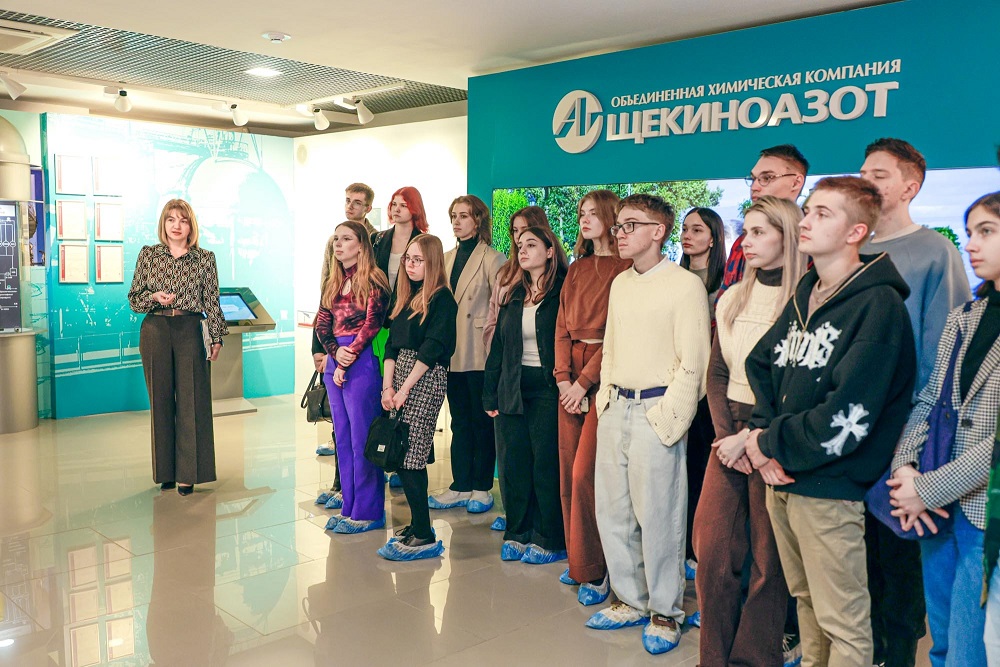
Linguistics and translation open the door to seeing the world in its diverse cultures and understanding their meanings. This is a field where analytical skills combine with creativity, and language becomes a tool for unlocking new possibilities.
By studying this program, you'll master two foreign languages at an advanced level, learn to work with complex texts, find expressive solutions, and use modern digital tools. If you're interested in how meaning is born, how ideas sound in different languages, and how translation connects worlds, join us: this is where your journey to linguistic mastery and creative growth begins.