Jurisprudence
40.03.01 Jurisprudence

About
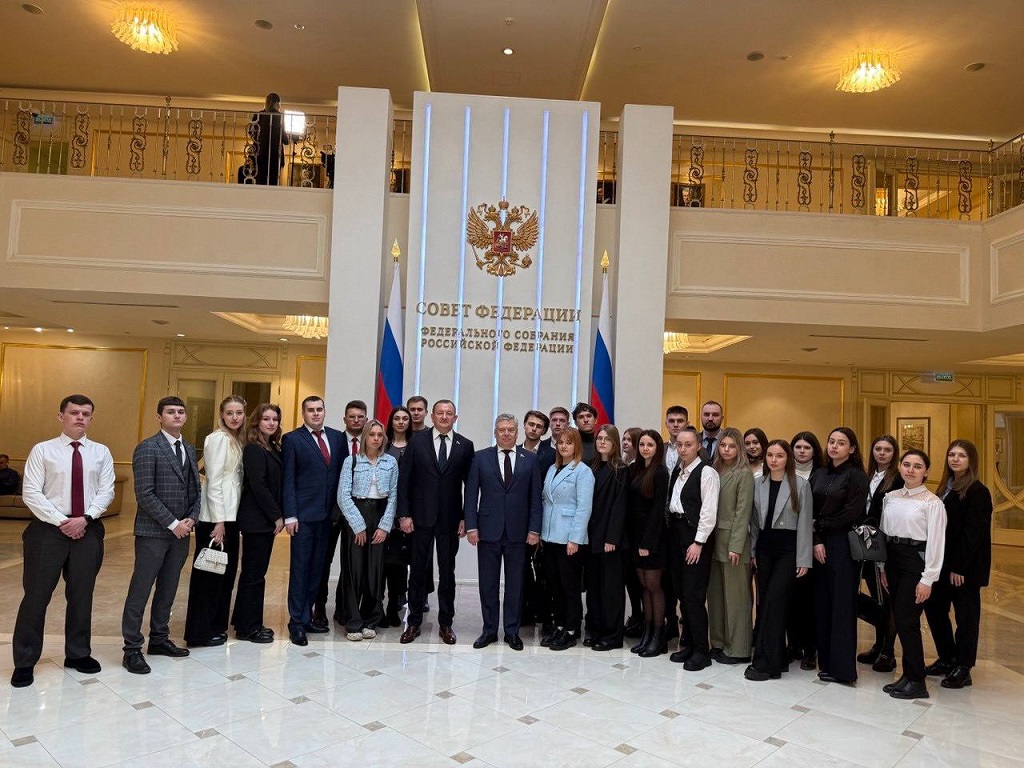
Legal profession can be attractive for those who want to contribute to the development of society, likes intellectual challenges and for those looking for career opportunities with good prospects.
The program covers classical disciplines, including Constitutional, Civil, Criminal, Administrative and International Law, and courses for the formation of competencies in certain areas of legal activity. Students get acquainted with the fundamentals of legal science, study law enforcement practice, gain experience working with legal documents, and participate in court proceedings.
Tula State University ranks 17th in the ranking “The best universities in Russia in terms of salaries of law specialists who graduated from the university in 2018-2023”. Acquired education allows our graduates to choose the most interesting field of professional activity for themselves - Criminal, Civil, International, Environmental, Administrative, Tax Law, LegalTech or any other.
Our educational program has passed the professional and public accreditation of the Russian Lawyers Association. The share of graduates employed in their specialty is more than 95%.
Program Description
More than 85% of this program's teachers are Candidates and Doctors of Legal Sciences, with an average age of 40 years.
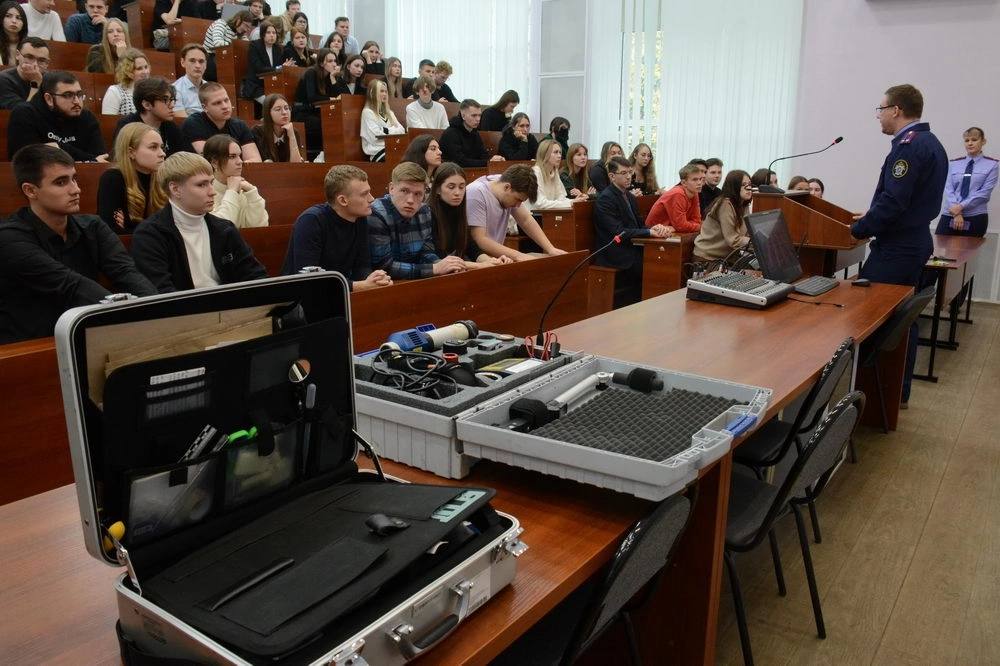
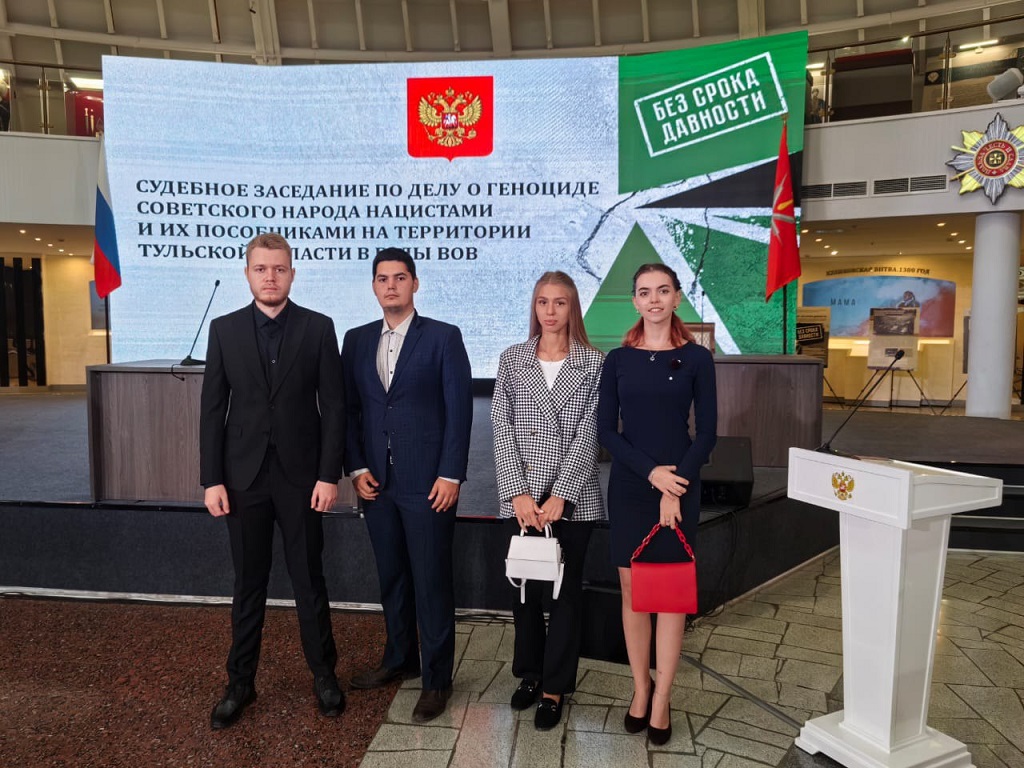
The program includes practices and internships, seminars, and master classes with the participation of representatives of professional community.
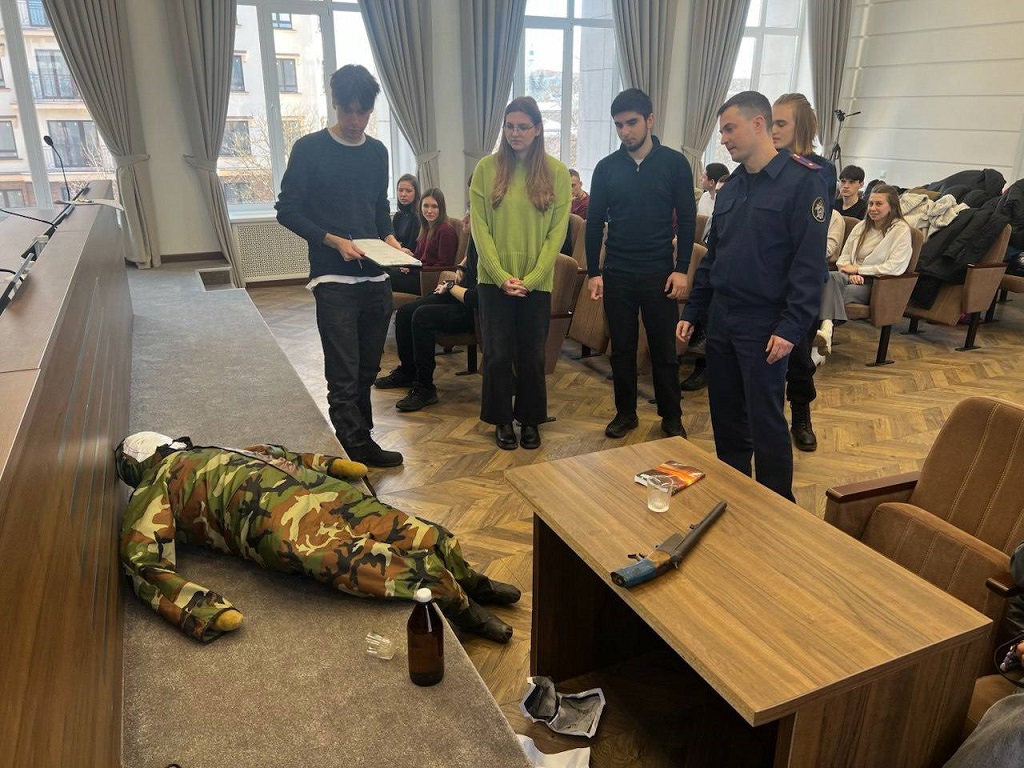
Practitioners, including Commissioner for Human Rights in the Tula region, regional Minister for the Control and Prevention of Corruption Violations, prosecutor of the city district, lawyers, specialists from the Federal Antimonopoly Service, Federal Penitentiary Service, lawyers from industrial enterprises participate in the educational process.
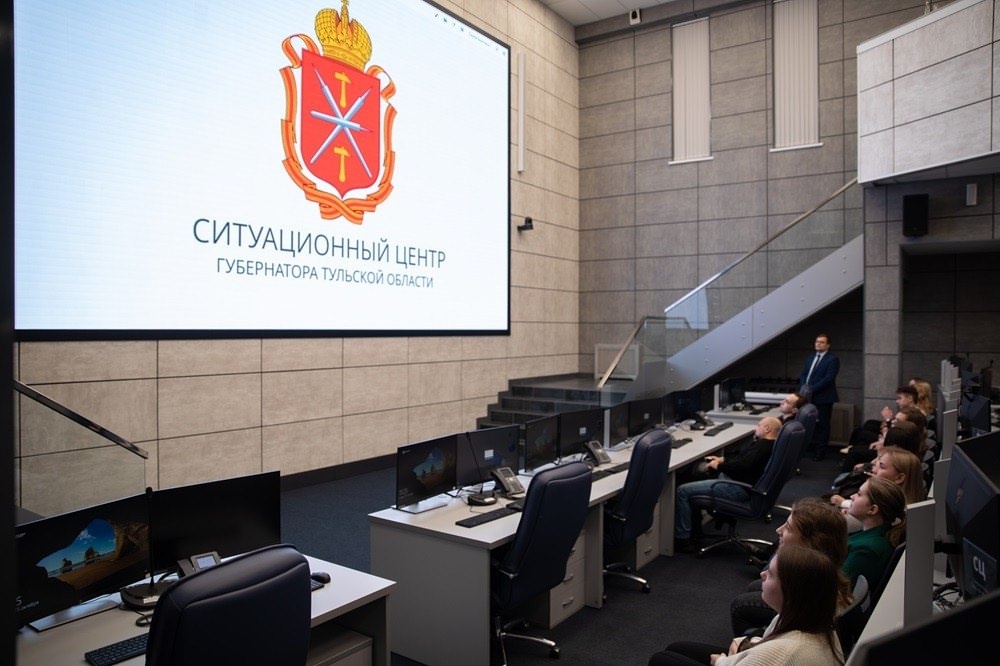
Additional program "Information and analytical technologies in legal activity" is also available for students.
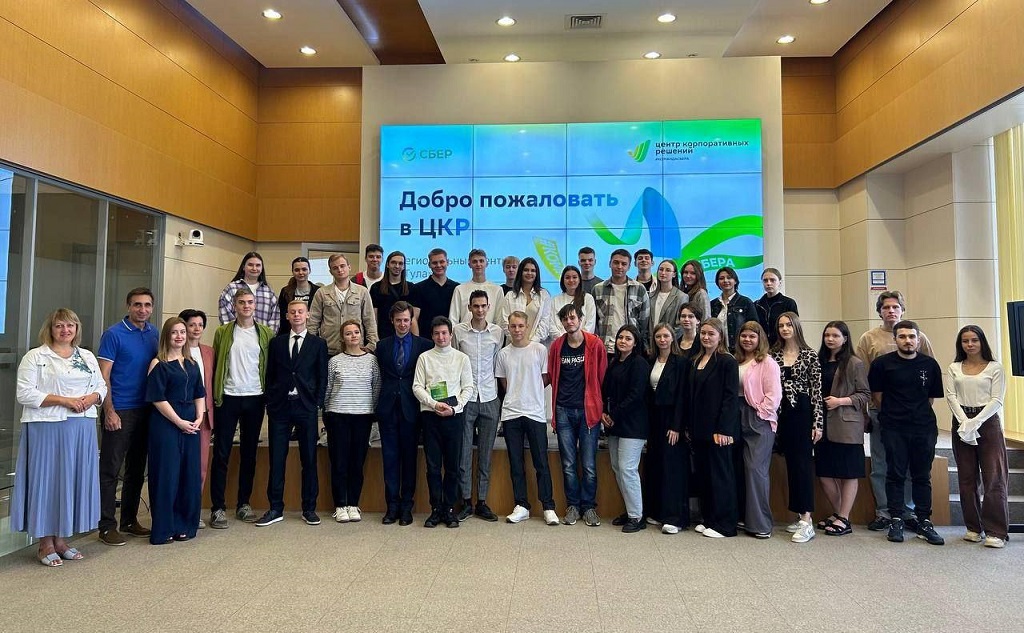
Partnership with leading law universities in Russia and foreign universities opens up additional opportunities for students, including exchange and internship programs.
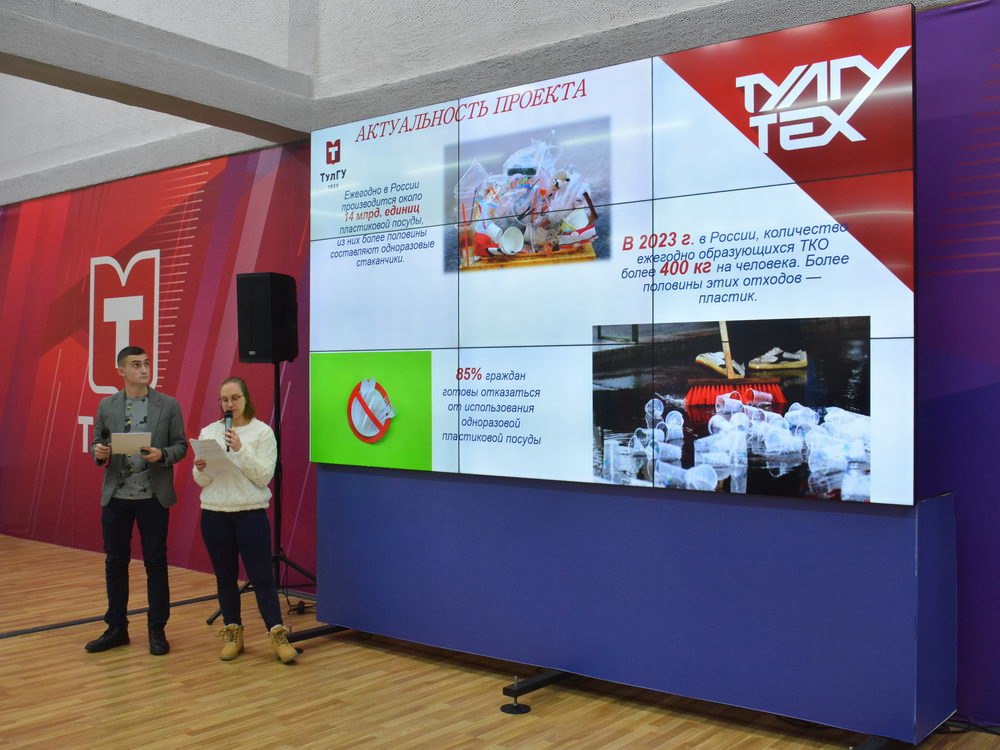
Students of the program take part in technological entrepreneurship projects, gaining experience in negotiation, change, risk and conflict management, and legal management in business.
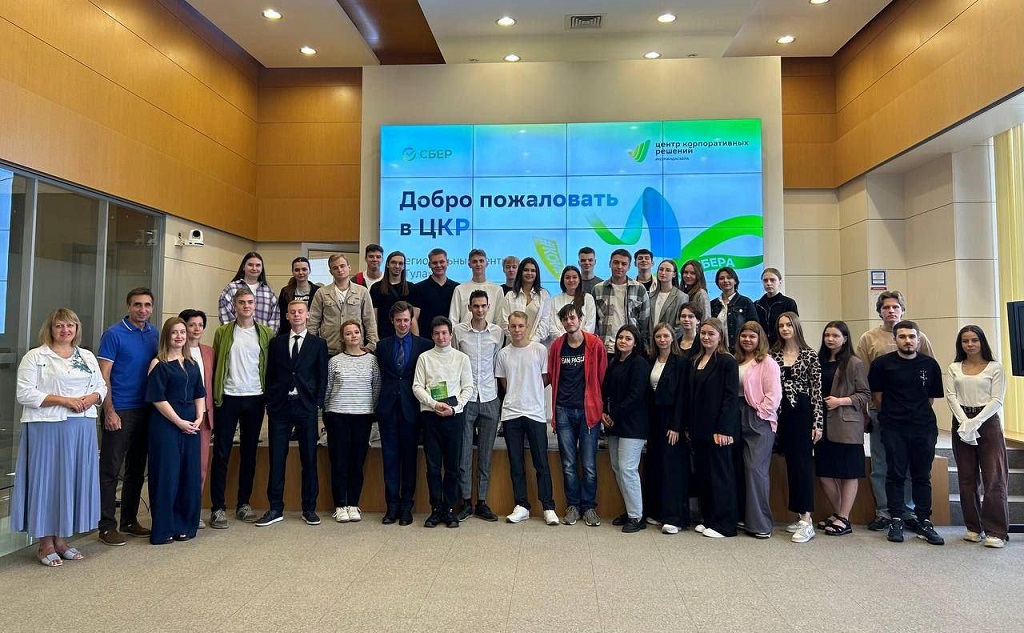
Teachers and mentors help in professional orientation and formation of the career trajectory of students and graduates.
Enrollment Plan1:
| Study mode | State-funded places | Hospital-funded place | Places for preferential categories | Places for special categories | Self-funded places |
|---|---|---|---|---|---|
Offline |
11 | 6 | 2 | 2 | 144 |
Tuition fee2:
| Study mode | Full time | Individual study path |
|---|---|---|
Full Time (Offline) for the citizens of the Republic of Belarus, the Republic of Kazakhstan, the Republic of Kyrgyzstan, the Republic of Tajikistan |
171 000 roubles per year |
- |
Full time (Offline) go the citizens of other countries |
237 000 roubles per year |
- |
Entrance examination3 (minimum score):
Social Studies (45)
Russian Language (40)
Foreign Language (40) or Computer Science and ICT (46) or History (40)
Organising Institute:
Institute of Law and Management
Submission of documents for “Corporate Management” program: +7 4872 73-44-76, e-mail: foreign@tsu.tula.ru
Submission of documents for a pre-university course of Russian: + 7 4872 73-44-76, e-mail: podfaktula@mail.ru
Training
In the first year, students study General Fundamentals of Law, History of State and Law, Fundamentals of Economics, Management and Administration, Philosophy, Foreign Language and other disciplines to form legal and general cultural competencies. In addition to attending lectures and seminars, students participate in olympiads, conferences, and round tables.
From the second to the fourth year, the focus is on special disciplines (Administrative, Civil, Labor, Criminal Law; Civil, Arbitration, Criminal Procedure; Criminalistics, Forensic Medicine and Psychiatry, Prosecutorial Supervision, and many others) and practical exercises.
Throughout the training period, seminars with representatives of regional government, judges, prosecutors, investigators, lawyers, and notaries on topical legal topics are organized. Students consult at the legal clinic and work on real cases under the guidance of teachers, carry out research projects. The program includes interdisciplinary courses (Economics, Management), group discussions, and model trials (moot court).
Training ends with a final certification, which includes a state exam in specialized subjects. The format and content of the final state attestation are as close as possible to the qualification exams that applicants for the position of judge, lawyer, notary system take.
Key disciplines
Key disciplines
Classical disciplines
- Theory of State and Law
- Constitutional Law
- Civil Law
- Civil Procedure
- Arbitration Process
- Labor Law
- Criminal Law
- Criminal Proceedings
- Criminalistics
Cross-cutting competencies
- Behavioral Economics
- Project Management
- Legal Regulation of State, Municipal and Corporate Procurement
- Intellectual Property Law
- Information Technology in Legal Practice
- Organizational and Procedural Bases of Activity of the Investigative Committee of the Russian Federation
- Forensic Medicine and Psychiatry
- Legal Regulation of Insolvency (Bankruptcy)
- Legal Aspects of Big Data Turnover
- Legal Provision of Digital Security
- Business Law
- Modern Information Technologies
- Foreign Language in the field of Law
Practice
The program provides for mandatory practice from the first year of study. In the first year, this is introductory practice, in the second and third years - law enforcement practice, in the fourth year - pre-graduate practice.
Institute provides a list of partner organizations where students can complete internships. These may include authorities, courts, prosecutor's offices, investigative authorities, law schools, legal consultations, and other legal institutions. Students have the right to choose their own practice base based on their professional interests.
In practice, students usually work under the guidance of a mentor, perform tasks related to jurisprudence, and can participate in real-world cases.
Within the framework of the Criminalistics discipline, internships are held at the forensic center of the Department of the Ministry of Internal Affairs of Russia in the Tula region: students conduct fingerprint, trace examination, ballistic, handwriting, computer, linguistic expertise and other research.
Together with the Investigative Department of the Investigation Committee of the Russian Federation for the Tula region, the course “Young Investigator”, dedicated to the use of forensic methods, investigative tactics and operational investigative activities is conducted.
Students study real-life lawsuits in the Tula Regional Court, the Arbitration Court of the Tula Region, the Twentieth Arbitration Court of Appeal and the courts of general jurisdiction of the Tula region.
As part of the GosStart program, meetings are being held with the heads of executive authorities of the Government of the Tula region.
Practice
Partners and Employers

Students
Our ideal student:
- is interested not only in the academic course, but also in related fields of law, history, politics and social sciences;
- is able to analyze legal documents, cases and laws, identify their essence and possible consequences;
- expresses thoughts clearly and convincingly;
- plans time effectively;
- recognizes the importance of ethical standards in the profession and tries to follow them;
- is attuned to interacting with other people, listens to and respects the opinions of comrades;
- may question existing norms and form his/her own informed opinion on legal issues;
- keeps his cool in difficult situations;
- strives for continuous development;
- is ready to learn and grow in his profession.
After Graduation
Professional skills and competencies
Professional skills and competencies
- Analysis of the patterns of formation, functioning and development of law
- Application of the norms of Substantive and Procedural Law in solving the tasks of professional activity
- Professional interpretation of the rule of law
- Preparation of drafts of regulatory legal acts and other legal documents
- Compliance with the principles of ethics of a lawyer, including those in terms of anti-corruption standards of conduct
- Work with legal databases, application of information technologies
- Protection of the legitimate rights and interests of citizens and organizations
- Legal advice
- Legal support for the activities of large manufacturing enterprises
- Drafting legal documents such as statements of claim, complaints, and legal opinions
- Participation in court proceedings
- Dispute resolution, negotiation
Professional Path
- State and local government bodies / Public authorities and local government bodies
- Law enforcement agencies
- Judicial authorities
- Lawyers agencies
- Notarial bodies
- Control and supervisory authorities
- Law firms
- Legal departments of defense industry enterprises
- Structural divisions of organizations providing legal protection
- Banks, companies, enterprises
Graduates can enroll in the Master's degree programs:
- Judicial power, prosecutorial supervision, organization of law enforcement activities, legal profession and notary system
- Criminal procedure, criminalistics, theory of operational investigative activity
- Anti-corruption activities and the legal framework of the state and municipal service
Where to realize yourself

Lawyers help to protect the rights of citizens — this contributes to the creation of a fair and secure society.
Lawyers ensure legality — it helps to achieve the strategic goals of the state.
Lawyers provide consultations, which increases people's legal literacy.
Lawyers develop laws, which makes it possible to adapt the legal system to modern realities.
Lawyers help to achieve justice and influence the development of society, the legal system and the economy.