General Medicine
31.05.01 General Medicine
About
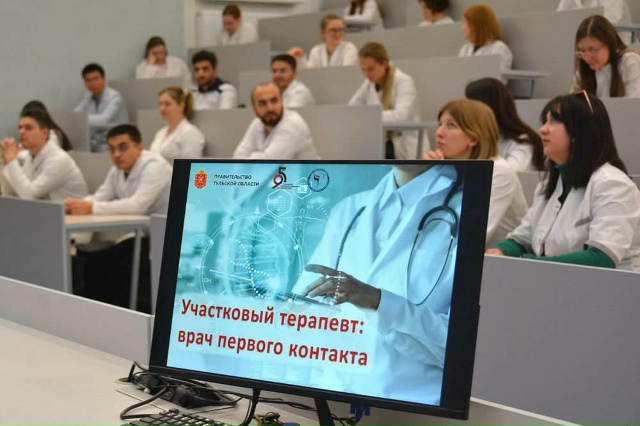
"General Medicine" educational program is aimed at training doctors with theoretical knowledge and practical skills necessary for professional work in medical organizations in the region and beyond. We understand that nowadays doctors require the ability to adapt quickly to cutting edge breakthroughs in medical science, so we prepare our graduates to meet these challenges.
Program Description
Fundamental Training. Studying fundamental disciplines not only broadens one's horizons but also allows one to understand the mechanisms of the human body's functioning and the patterns of pathological processes, establish cause-and-effect relationships in the course of disease, and justify the ways of how to influence it.
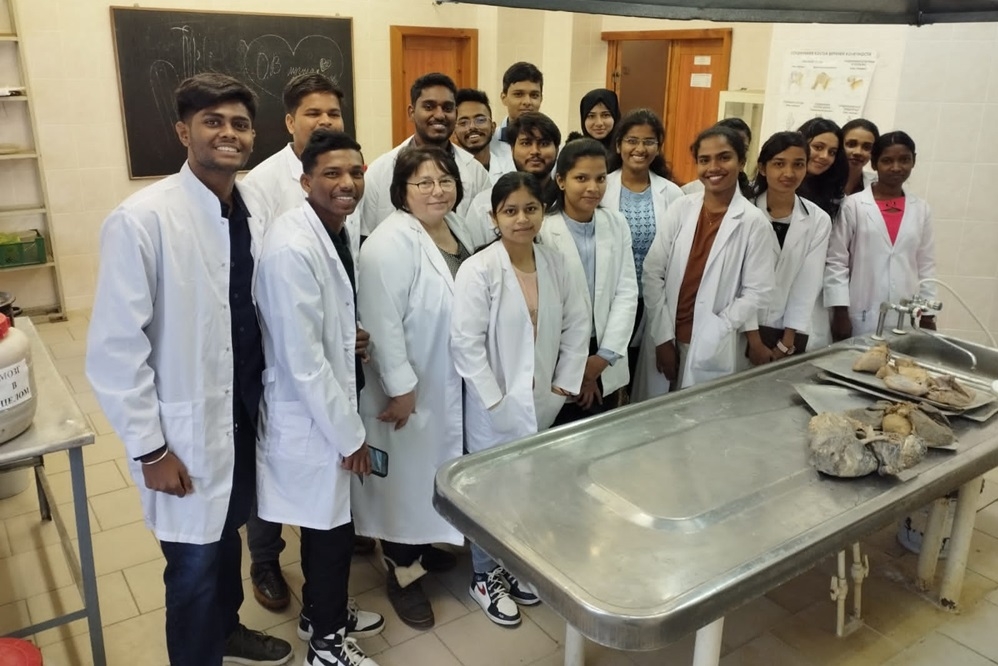
Interdisciplinarity. Integration into a comprehensive university allows medical students to delve deeper into the fundamental disciplines - Chemistry, Biology, Physics, Anatomy - that are in the very heart of medicine. Students have the opportunity to be engaged in research under the supervision of faculty members of university; it develops their intellectual and creative potential, allows them to leverage their individual passion for specific disciplines and provides financial support as well.
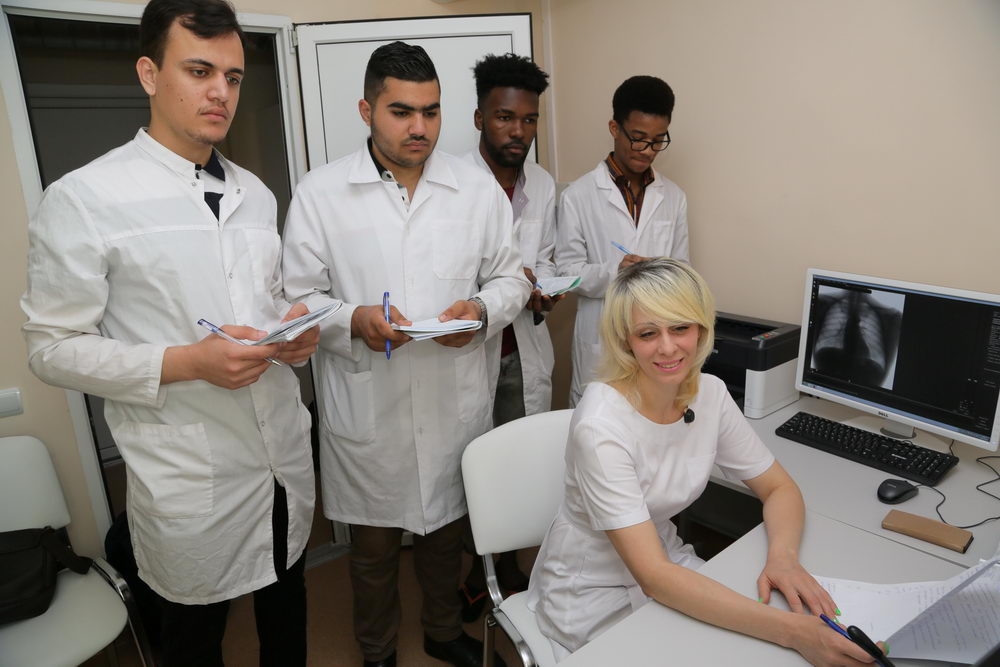
The Simulation Center is fully integrated in the educational process, for the accreditation of graduates and specialists undergoing advanced training. Here, students begin to practice practical skills, manipulations, surgical and resuscitation techniques on simulators and models before working with patients in real clinical settings.
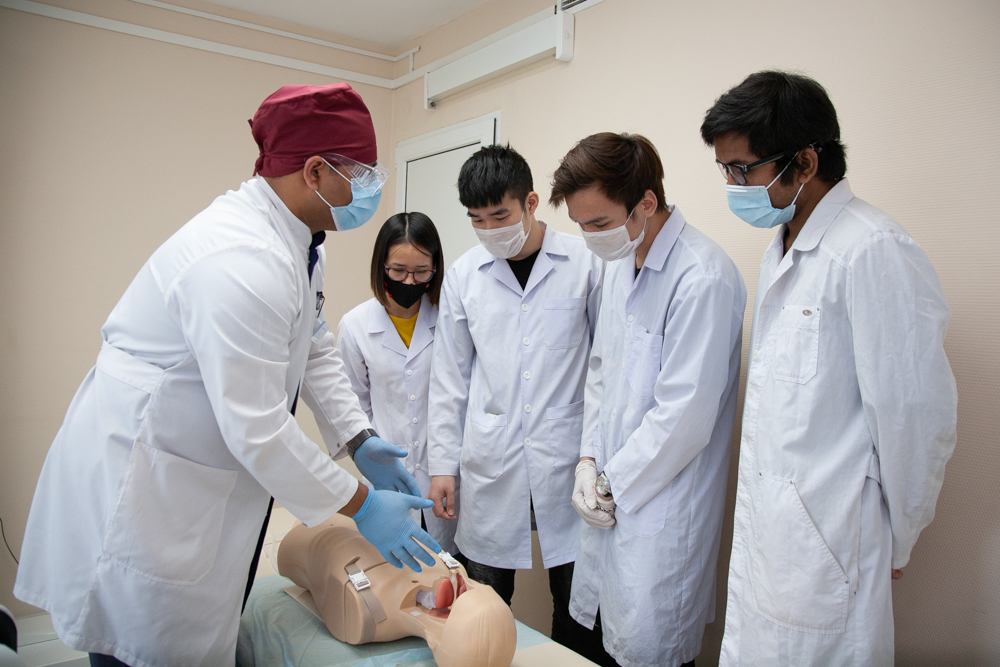
Clinical Bases. Medical Institute’s clinical bases include more than 50 leading medical organizations in Tula and the Tula Region. These include the Tula Regional Clinical Hospital, the D.Ya. Vanykin Tula City Clinical Emergency Hospital, the V.S. Gumilevskaya Tula Regional Perinatal Center, the MCC, and many others.
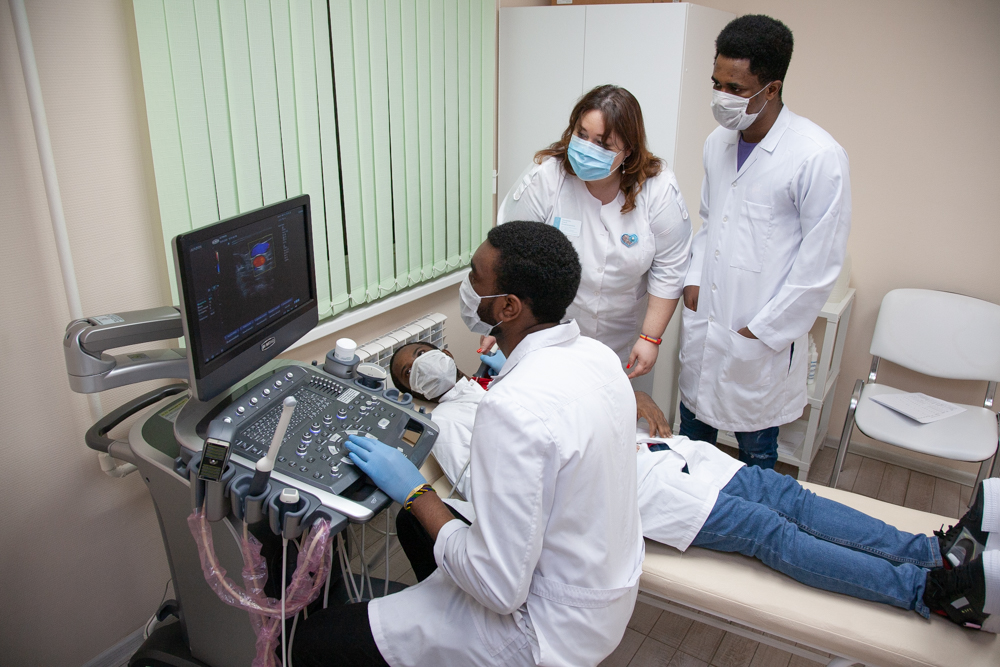
Orientation towards Practice. The educational process in “patient bedside” mode allows students to earlier immerse themselves into the clinical environment, observe and analyze theoretical data in practice, and rationally assess their aspirations and capabilities in the medical field.
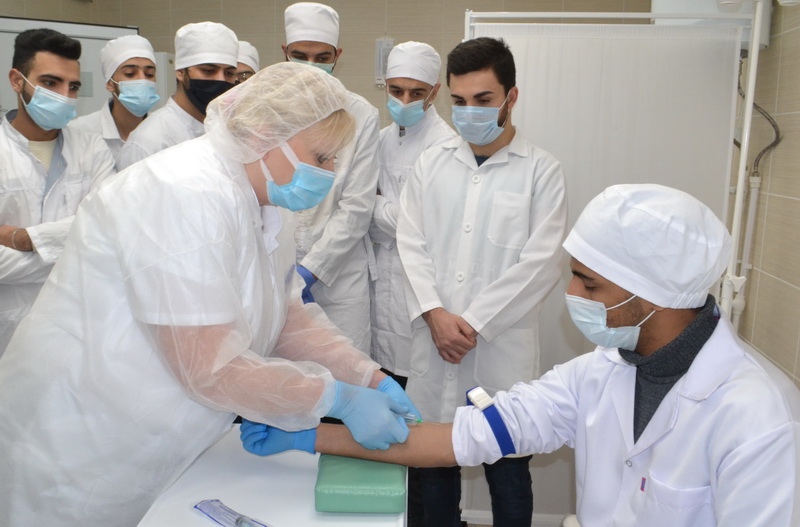
Career Prospects. Medical Institute graduates are welcome at medical organizations in Tula and the Tula Region, they are given the opportunities for internships, specialization, and career advancement. Medical Institute continues its educational program for graduates pursuing medical subspecialties through clinical residency training.
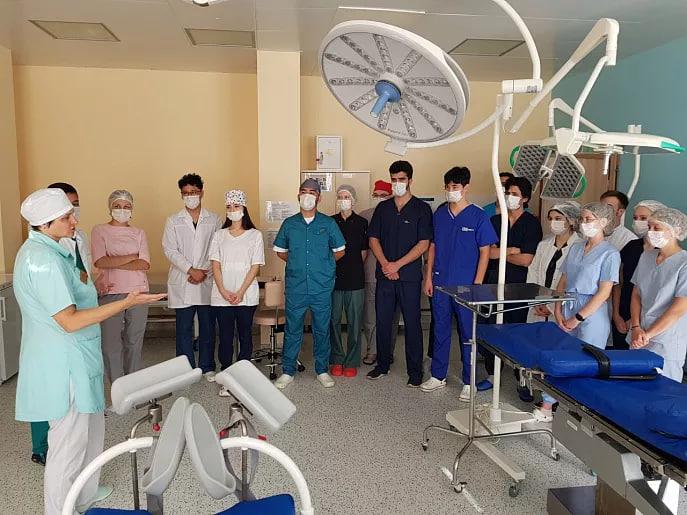
Science. Training doctors-researchers as part of higher medical education is a response to modern challenges and demands of the state, the region, and the healthcare system. As part of our core educational program, students at our institute have the opportunity to master research skills related to finding answers and solutions in complex, ambiguous, and unexplored situations, learn to formulate hypotheses, communicate effectively, observe, analyze, think critically, conduct experiments, and communicate the results of their work.
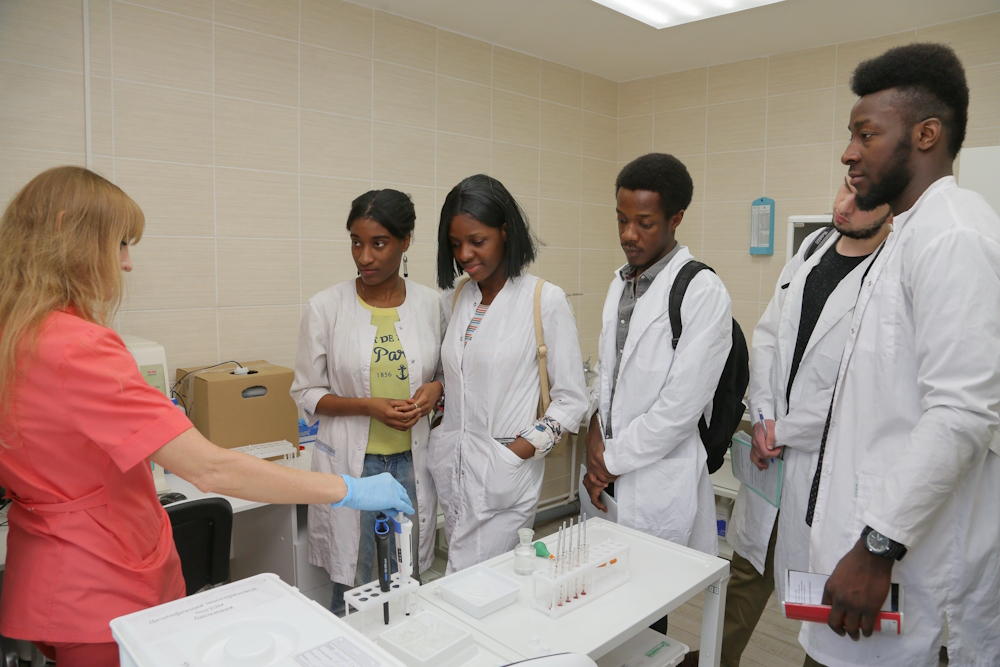
Combining Work & Studies. Students who successfully complete three or more years of higher medical education in “General Medicine” and “Pediatrics” can get a certificate and work as a nurse, paramedic for receiving emergency medical calls, or ambulance paramedic.
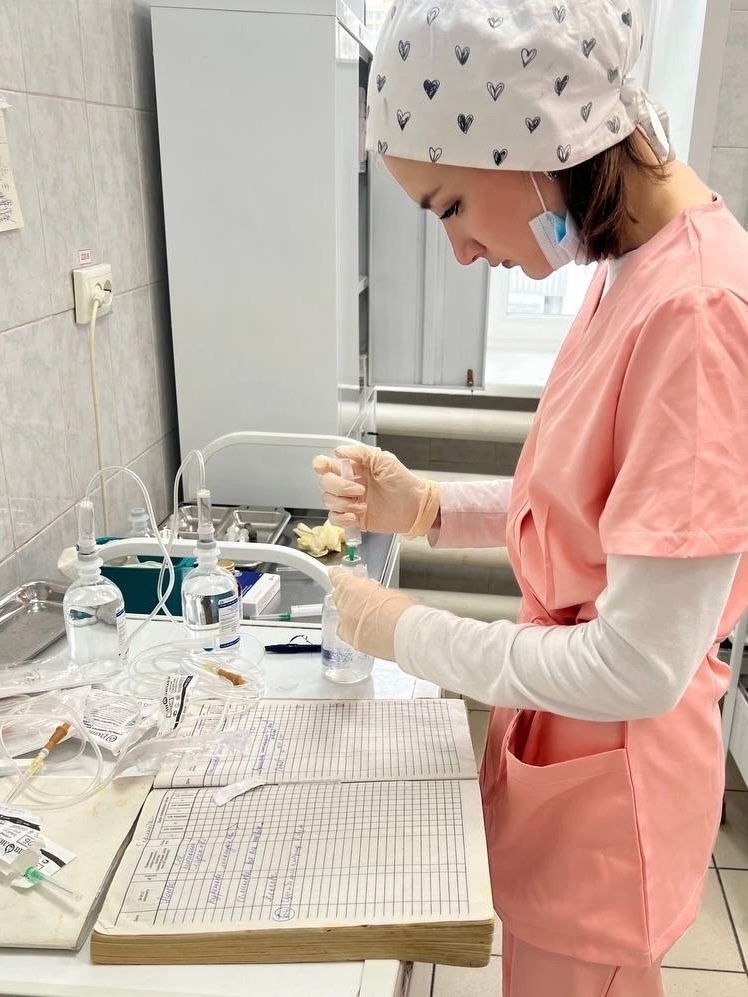
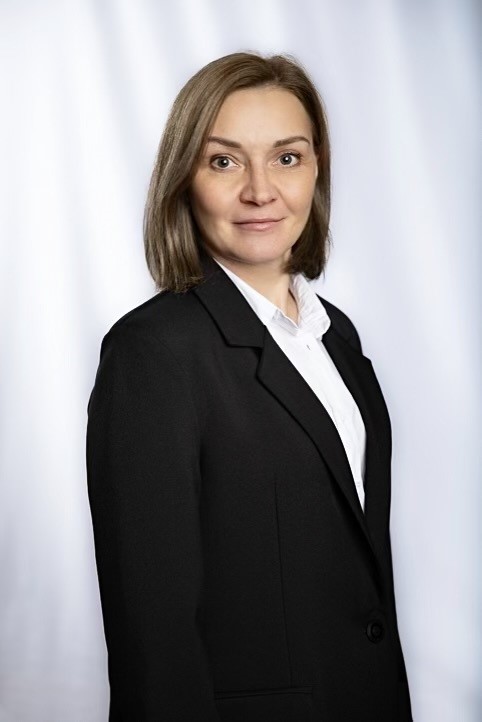
Head of Program
Dr. Natalya Borisovna Kinyasheva
Associate Professor of the Department of Internal Medicine at Tula State University Medical Institute, PhD in Medicine, and a cardiologist of the highest qualification category in the Cardiology Department of the D.Ya. Vanykin Tula City Clinical Hospital of Emergency Medical Care.
She leads the student research club "Step into Science," organized for the first-year medical students and aimed at developing students’ critical thinking and their creative potential, broadening their horizons, and motivating them for future research.
Her scientific and professional interests are inextricably linked to clinical practice and are aimed at determining the safety and effectiveness of modern methods for diagnostics and treating cardiovascular diseases, as well as their early detection and prevention.
Enrollment Plan1:
| Study mode | State-funded places | Hospital-funded place | Places for preferential categories | Places for special categories | Self-funded places |
|---|---|---|---|---|---|
Offline |
139 | 86 | 14 | 14 | 161 |
Tuition fee2:
| Study mode | Full time | Individual study path |
|---|---|---|
Full time (Offline) for the citizens of the Republic of Belarus, the Republic of Kazakhstan, the Republic of Kyrgyzstan, the Republic of Tajikistan |
245 000 roubles per year |
- |
Full time (Offline) go the citizens of other countries |
282 000 roubles per year |
- |
Full time (Offline) with English as the language of instruction |
350 000 roubles per year |
- |
Entrance examination3 (minimum score):
Russian Language (40)
Chemistry (47)
Biology (47)
Organising Institute:
Submission of documents for Bachelor’s, Specialist’s and Master’s degree programs: +7 4872 73-44-76, e-mail: foreign@tsu.tula.ru
Submission of documents for a pre-university course of Russian: + 7 4872 73-44-76, e-mail: podfaktula@mail.ru
Training
In the 1st and 2nd year, the bulk of the time is taken by fundamental disciplines: Chemistry (General, Inorganic, and Bioorganic), Biology and Histology, Human Anatomy, Latin, Physiology, Biochemistry, Microbiology and Virology, and others.
In the 3rd and 4th year, new important disciplines are added: Propaedeutics of Internal Diseases (mastering the basics of examining a patient - percussion, palpation, auscultation, learning to communicate with a patient, collecting anamnesis), Pharmacology (study of drugs, their mechanisms of action, side effects), Pathological Physiology, Faculty Therapy and General Surgery (in-depth study of the most common diseases), Neurology, Psychiatry and Narcology, etc.
Students who have successfully mastered the educational programs of higher medical education in “General Medicine” for 3 or more years, with positive academic results, can work in the positions of: nurse, paramedic for receiving calls for emergency medical care and transferring them to mobile ambulance teams; an emergency medical care paramedic as part of a mobile emergency medical care team - under the supervision of an emergency medical care physician.
In the 5th and 6th year, students pursue a subspecialty. At the end of the 6th year, they complete a pre-graduation internship. Throughout the year, they complete courses in Hospital Therapy, Surgery, Obstetrics and Gynecology, Psychiatry, and other areas at clinical bases. They undergo intensive preparation for initial accreditation, practice practical skills on simulators, and write a thesis in the form of a case report.
Key disciplines
Key disciplines
Key disciplines
Chemistry
Biochemistry
Physiology
Pathophysiology
Pathological Anatomy
Faculty and Hospital Therapy
Surgery
Obstetrics and Gynecology
Oncology
Functional Diagnostics
1. Disciplines demonstrating technological equipment and modern methods.
– "Fundamentals of Simulation Medicine and Work in a Simulation Center"
Feature: This is a powerful signal that students are learning not only from books, but also practicing their skills on modern robot stimulators (from intravenous injections to complicated labour).
– "Fundamentals of Telemedicine and Digital Healthcare"
Feature: This discipline is future-oriented. Students see that they will study not only classical approaches, but also the most modern formats of medical care that are in demand today.
2. Disciplines that emphasize practice orientation and early involvement into the profession.
– "Fundamentals of Clinical Practice (Preclinical Training)"
Feature: The course that purposefully prepares the student for the first working steps in the clinic. It includes practicing communication with the patient, medical ethics, documentation, and simplest manipulations.
– "Project Management in Healthcare"
Feature: It means that TulSU trains not just doctors, but future leaders who are able to improve medical processes, innovate and manage projects (for example, to optimize the work of the department, introduce new standards, etc.).
– "Doctor-Patient Professional Communication Training"
Feature: The course is not taught in fragments, but as a whole. It shows that TulSU understands that successful treatment depends not only on knowledge, but also on the ability to communicate, build trust and cope with objections.
3. Interdisciplinarity
– "Fundamentals of Medical Rehabilitation".
Feature: The focus is on the patient's recovery, not just on the treatment of acute condition. This is a trend in modern medicine, and the presence of such a discipline speaks to an integrated approach in the training of a doctor.
– "Fundamentals of Evidence-Based Medicine" (with clinical cases search and analyses)
Feature: TulSU graduates will take medical decisions basing on current international data and clinical recommendations. This is a sign of modern and high-quality education.
– "Emergency Medicine" (on the basis of simulation center).
Features: A combination of two strong sides: relevance of the content (emergency care) and advanced training methods (simulation).
It allows students to practice actions in critical situations and safe conditions.
Practice
1. Types of practice in the curriculum.
Practice in General Medicine Program at TulSU is based on the principle of "from simple to complex" and fully complies with the Federal State Educational Standards (FGOS).
Educational Practice:
– Assistant to junior medical staff (1-2 years): Obtaining primary nursing skills. Students learn to communicate with patients, perform simple medical manipulations (measuring temperature, checking blood pressure, changing clothes).
– Ward/Treatment Nurse's Assistant (2-3 years): Practicing nursing procedures: injections, IVs, blood collection, bandages.
Clinical Practice:
– Hospital physician's Assistant (3-4 years): Work in the therapeutic and surgical departments. Students learn to take patients’ history, make a preliminary diagnosis, and fill in medical documentation.
– Assistant to a polyclinic doctor (4-5 years): Practice in outpatient hospitals and policlinics: seeing patients, working with a general practice physician, introduction into medical check ups.
– Assistant to an ambulance doctor (4-5 years): Field practice in an ambulance team, practicing emergency care skills.
– Assistant to a specialist (for example, an obstetrician-gynecologist, pediatrician, infectious disease specialist) (5-6 years).
2. How Practice is Organized
– Centralized organization: University departments make contracts with leading medical institutions in the region and distribute students to practical bases.
– Assignment to a clinical supervisor: Each student is assigned to an experienced supervisor from a medical institution, who directly trains and supervises the work.
– Instruction and control: Before starting the practice, a mandatory introductory orientation on safety and internal regulations is conducted. Teaching staff regularly visit medical facilities for routine monitoring.
– Simulation training: Before entering the clinic, students practice all manipulations on the basis of TulSU simulation center, which guarantees their safety and confidence for the patient.
3. Where do Students Practice?
Students have clinical practice the largest and most equipped medical institutions in Tula region: the Regional Clinical Hospital, City Emergency Hospitals, the Tula Regional Clinical Psychiatric Hospital, the Perinatal Center, Ambulance stations, TulSU Medical Center, Polyclinics in Tula and the region, and medical facilities in Moscow Region.
4. Can a Student be Employed During Practice?
– Official employment: Starting from the 4th year, students can be officially employed in medical institutions in the positions of secondary medical personnel (nurse, assistant paramedic of emergency medical services after successful passing the exam for admission to medical facilities).
Practice
Partners and Employers
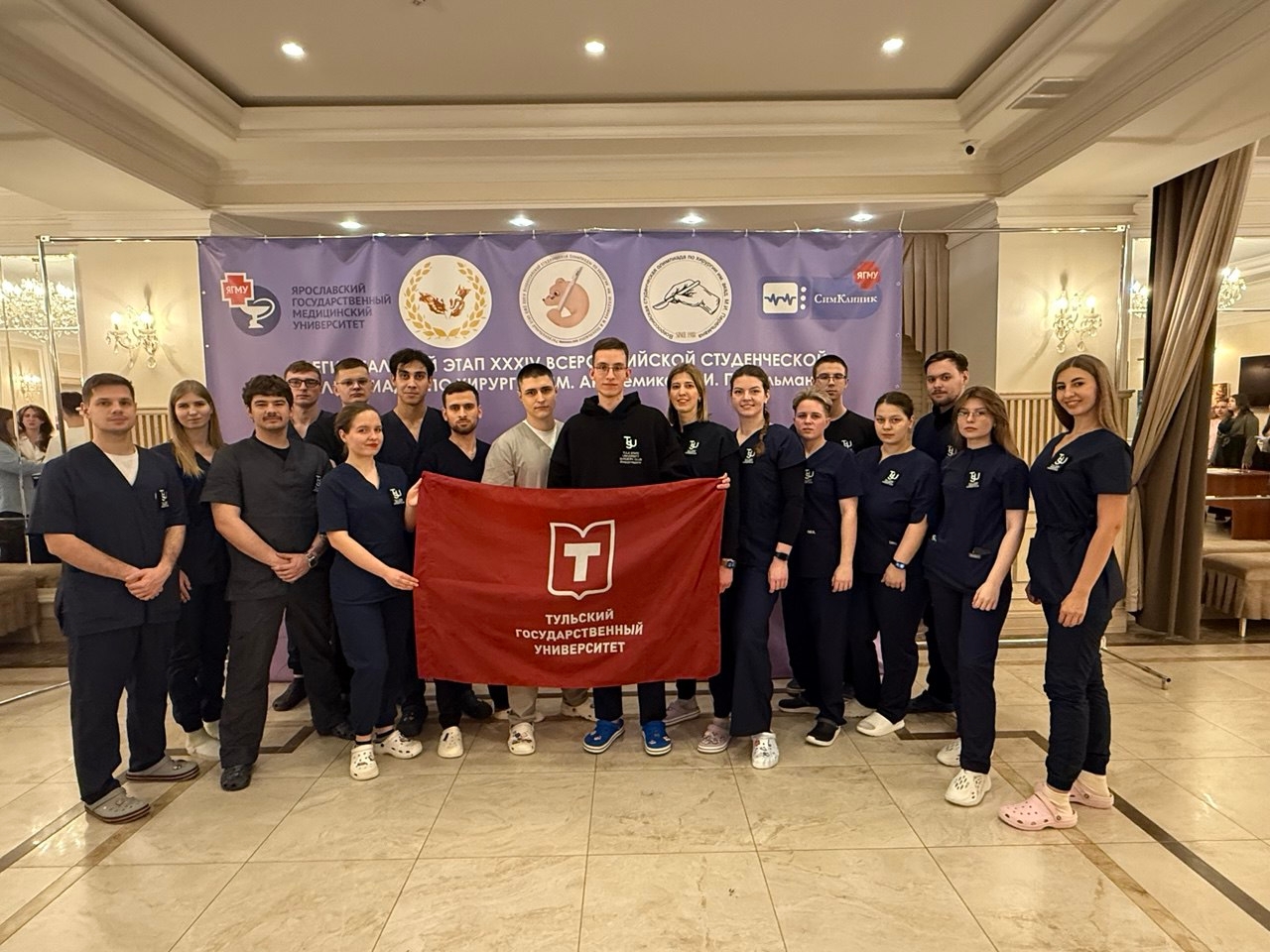
Students
A med-student is a future medical leader, researcher and practitioner, a person with a unique combination of qualities that our program develops in every student.
1. Sphere of Interest and Motivation:
Consciously motivated: Choosing a profession is not an accident, but a meaningful decision based on an interest in science and a desire to help people. They see Medicine not as just a job, but as a vocation and an opportunity to change life for the better.
They are aimed at professional development in Tula region
They understand the prospects for the development of healthcare in Tula region and consider TulSU as a stepping stone for building a successful career here, possibly by being enrolled to a hospital-funded place.
2. Academic Competencies:
Fundamentalists with clinical mindset: They show deep interest in fundamental sciences (Anatomy, Histology, Biochemistry), but always try to understand their clinical application.
Active users of the simulation center: They do not wait for mandatory classes, but take the initiative to practice their skills on simulators, with the opportunity to make and correct mistakes without any risk to the patient.
Friends of evidence-based medicine. They know how and like to work with information, looking for relevant clinical recommendations and research.
3. Personal and Professional Qualities:
Empathic Communicators: They have high emotional intelligence. They know how to establish contact and inspire trust, calmly and respectfully communicate with both patients and colleagues. They understand that treatment is a dialogue.
Responsible and Ethical: Their principle is "Primum non nocere" ("First of all, do no harm"). They are aware to the full extent of doctor's responsibility. They are honest, decent and respect medical confidentiality.
Stress-Resistant and Determined: They are not confused by non-standard situations, know how to quickly analyze information and take right decisions.
Team Player: They understand that modern Medicine presupposes working in a multidisciplinary team (doctors, nurses, lab assistants). They know how to delegate power and interact constructively.
4. Practical and Research:
Being initiative while practicing: They are not just being presents at clinical practice, but actively participate in the work of the department, asks questions to their supervisors, and do manipulations (within their competence).
Future Researchers and Innovators: They participate in the research conducted by the department, by student research groups, as well as in conferences.
Holders of "Bonus Qualifications": They want to get the most out of the educational program by taking courses to obtain a certificate in nursing, cardiopulmonary resuscitation, or the basics of simulation Medicine.
5. Value-Based Role Model:
Doctors-Educators: They participate in social and volunteer projects (health schools, donor campaigns), realizing the importance of prevention and medical education of the population.
Profession One Should Study through the Lifetime: They understand that a diploma is just the beginning of the path. They are committed to life-long medical education, taking courses and seminars to keep up to date with the latest trends.
After Graduation
Professional skills and competencies
Professional skills and competencies
1. Diagnostic and Data Management Skills
–Precise and accurate work with modern visualization systems: In-depth interpretation of CT, MRI, and PET data, not in general terms, but with an understanding of the operating principles of the equipment, which allows for a more accurate diagnosis.
–ECG interpretation with telemedicine elements: Ability to not only independently analyze ECGs but also to submit controversial cases for consultation via telemedicine platforms.
– Conducting and interpreting ultrasound examinations at a basic level (e.g. ultrasound of the abdominal cavity, heart (echocardiography) in emergency conditions.
– Basic analysis of medical statistical data for clinical decision-making and participation in research.
2. Skills of Therapeutic Manipulations and Interventions
– Practicing surgical skills on advanced simulators.
– Application of vascular and intestinal anastomoses on biometric simulators.
– Regional anesthesia techniques (e.g. ultrasound guidance for nerve blocks) on human body simulator.
– Modern principles of wound care: Applying cosmetic stitches, using drainage systems and modern bandages.
3. Anvanced Emergency Care Skills:
– Managing a complex clinical case in a simulation center: Teamwork in simulating a heart attack, stroke, anaphylactic shock, massive blood loss with full immersion and realistic equipment response.
– Basic and advanced cardiopulmonary resuscitation (CPR) using automatic external defibrillators (ANDS) and modern intubation and ALV-equipment.
– Algorithms for providing emergency care for polytrauma in accordance with international standards (ATLS – Advanced Trauma Life Support).
4. Communication and Digital Skills
– Conducting a difficult conversation with patients and families: Case-studies for communicating a serious diagnosis, obtaining informed consent, communicating with aggressive or anxious people.
– Effective work in a multidisciplinary team: Case-studies with "nurses", "paramedics" and "administrators", bulding skills for clear power delegation and interaction in stressful situations.
– Skills in telemedicine consultations: Conducting and participating in online consultations, preparing documentation for remote consultations.
– Fundamentals of medical documentation management in modern medical information systems.
5. Unique Skills of a TulSU Graduate
– The "dual qualification" skill: The opportunity to take an exam and receive a certificate in Nursing. It provides a huge advantage for employment and understanding of how nursing staff work.
– Simulation supervision skills: The best students can gain experience teaching the basics of medical manipulations to undergraduates at the simulation center.
– Skills of project management in Medicine: Being able to create a project to optimize the work of the department, introduce a new diagnostic method or prevent and reduce medical errors.
Professional Path
1. Classical Career Paths: Med-residency and work in clinical Medicine.
– Admission to Med-Residency: This is a mandatory stage for obtaining a fellowship. TulSU graduates successfully enroll in Med-Residencies both in Tula and in leading federal centers (Moscow, St. Petersburg, etc.)
–100+ Medical Fellowship Programs: Therapy, Cardiology, Gastroenterology, Pulmonology, Rheumatology, Endocrinology, Neurology, Surgery, Traumatology and Orthopedics, Obstetrics and Gynecology, Psychiatry, Ophthalmology, Dermatovenereology and many others.
2. Alternative Career Paths in Medicine and Healthcare:
– Going into Science & Teaching: admission to PhD program in the field of Fundamental Medicine or Clinical Medicine.
–Management in Medicine: Administrative career: Department head, Chief Physician, Health Department head. To do this, you can get additional education under the MBA program in Healthcare.
– Pharmaceutical Industry: medical representative, clinical research manager, medical advisor at a pharmaceutical company.
– Information Technology in Medicine: medical consultant in IT companies developing medical information systems, telemedicine platforms.
– Military and Sports Medicine: military doctor, sports doctor, rehabilitation doctor.
Where to realize yourself
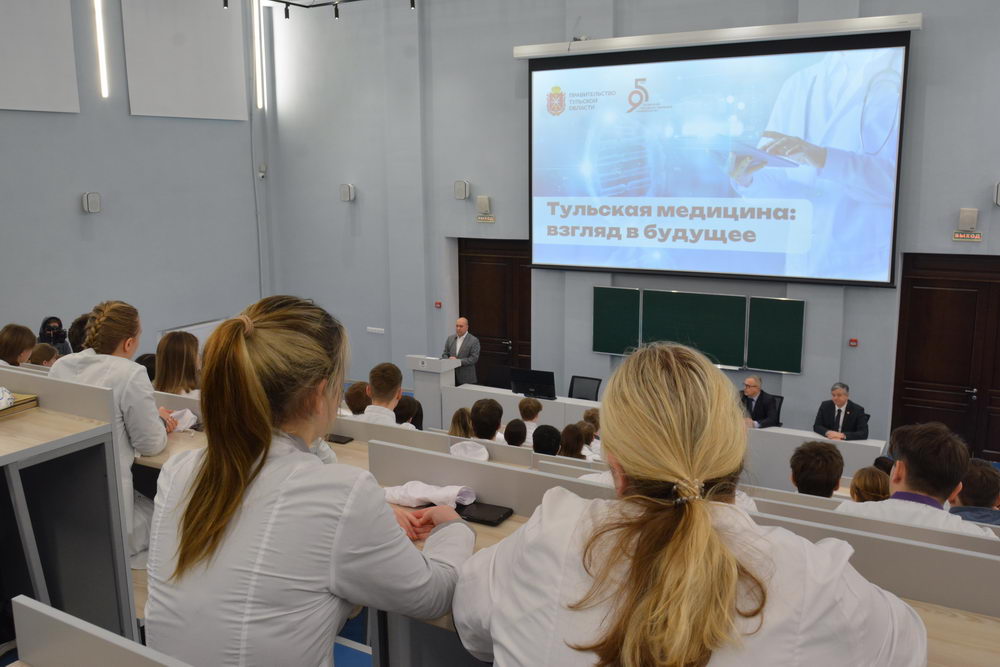
Studying at TulSU Medical Institute is not just about getting a profession. This means joining a powerful professional community that is already shaping the future of Medicine in our region. You will learn from those who train people for leadership positions, and your senior colleagues will be the best of the best. The diploma of a Doctor of Medicine at TulSU Medical Institute is not just a “wallpaper degree”. It is a key to all doors in the world of Medicine and Healthcare. You can choose the classical path of a respected doctor or become the driving force behind medical progress in IT, Science, or Pharmacy. We give you the ground, and you build the career you dream of on it. We, as Alma Mater, will always help you with this.