Electrical equipment and electrical systems for enterprises, organizations, and institutions
13.03.02 Power Engineering andElectrical Engineering
About
The program's mission is to train specialists in power engineering and electrical engineering who understand the structure of modern electric power systems and are able to solve practical engineering problems.
During the course, you will gain a professional foundation and understand key areas of the industry:
- Electrical installations and electrical devices;
- Electric drives and automation systems for mechanisms and process systems;
- Electrical networks and power supply systems for enterprises, organizations, and institutions;
- Fundamentals of design, operation, and maintenance of electric power systems.
The training is focused on practical application of knowledge in real-world conditions. Graduates of the program work in the following fields:
- Construction and Municipal Engineering;
- Design and operation of electric power systems and complexes;
- Power supply systems for enterprises and various facilities;
- Automation and mechanization of production processes.
After completing the program, you can begin a career as an electrical engineer or power supply specialist. These specialists are in demand in the construction, manufacturing, and housing and utilities sectors. This training allows you to work in industrial enterprises and organizations involved in the design, operation, and maintenance of electric power systems.
Program Description
Students have the opportunity to gain practical experience in relevant positions at leading enterprises in Tula and the surrounding region and become familiar with modern power supply systems.
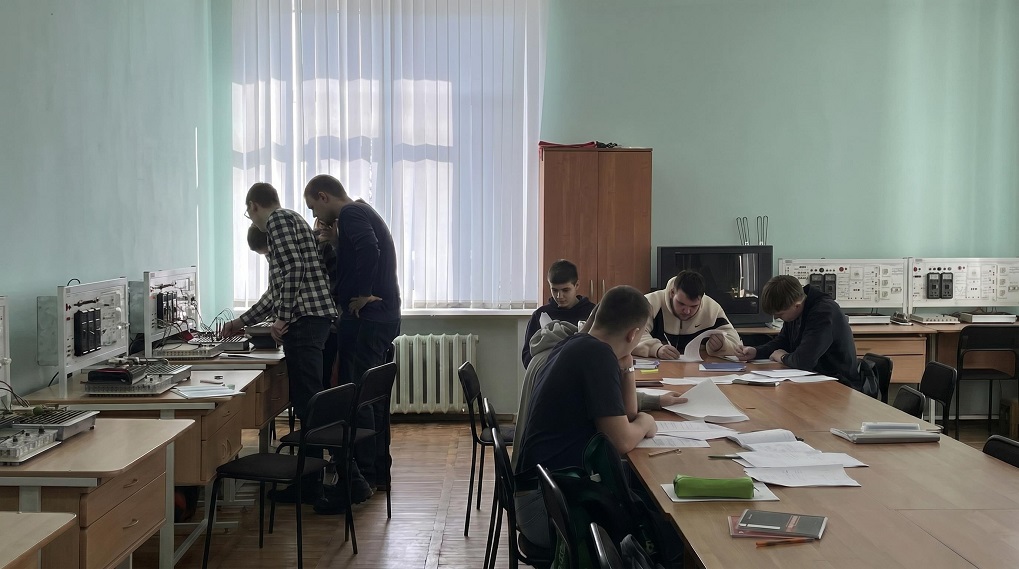
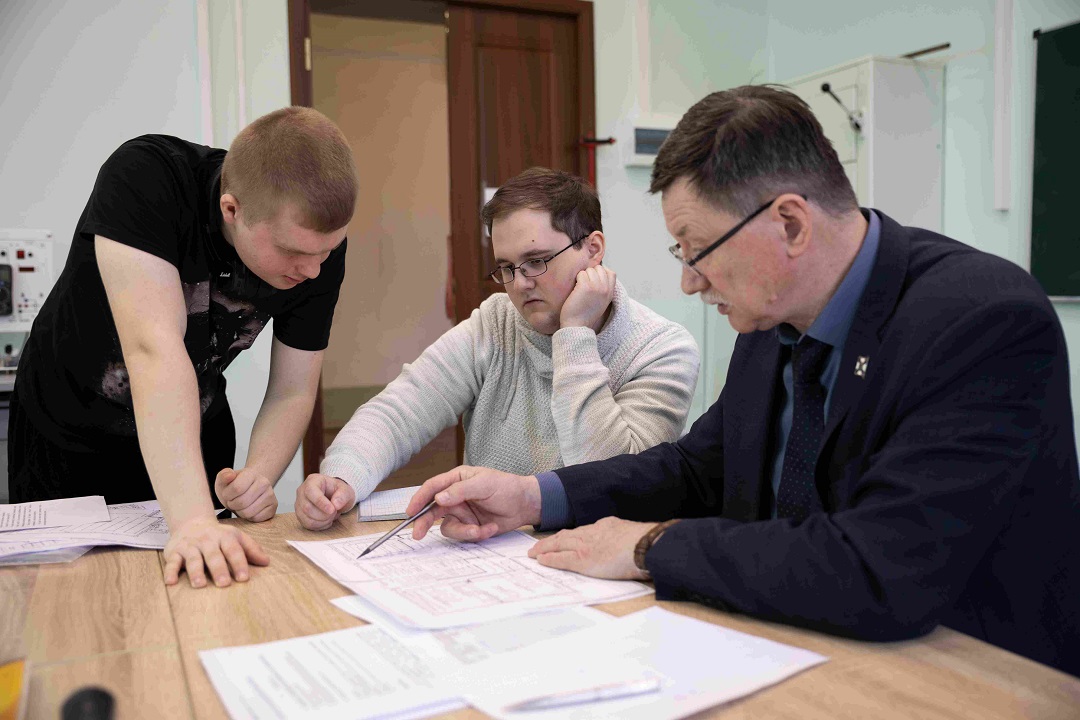
Classes are held in small groups, allowing instructors to provide individualized attention to each student's learning and professional development.
Students participate in national Olympiads and tournaments held by leading universities in the country (St. Petersburg, Kazan, etc.).
Head of Program
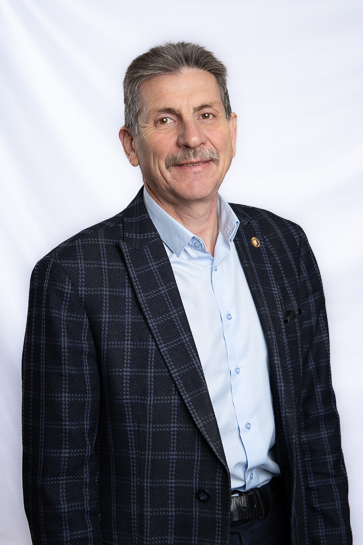
Alexandr Eduardovich Solovyov
Doctor of Engineering Sciences, Professor, Head of the Electrical Engineering and Electrical Devices Department
Author of over 170 scientific publications and patents for electrical devices and specialized equipment. Laureate of the Russian Federation Government Prize in Education (2012).
Area of research/professional interests: development of the theory and practice of electric drives for three-stage machines.
Enrollment Plan1:
| Study mode | State-funded places | Hospital-funded place | Places for preferential categories | Places for special categories | Self-funded places |
|---|---|---|---|---|---|
Offline |
20 | 6 | 2 | 2 | 15 |
Tuition fee2:
| Study mode | Full time | Individual study path |
|---|---|---|
Full time (Offline) for the citizens of the Republic of Belarus the Republic of Kazakhstan the Republic of Kyrgyzstan the Republic of Tajikistan |
194 000 roubles per year |
- |
Full time (Offline) go the citizens of other countries |
235 000 roubles per year |
- |
Entrance examination3 (minimum score):
Russian Language (40)
Physics (41)
Computer Science and ICT (46) or Chemistry (40) or Mathematics (40)
Organising Institute:
Institute of High-Precision Systems named after V.P. Gryazev
Submission of documents for “Electrical equipment and electrical systems for enterprises, organizations, and institutions” program: +7 4872 73-44-76, e-mail: foreign@tsu.tula.ru
Submission of documents for a pre-university course of Russian: + 7 4872 73-44-76, e-mail: podfaktula@mail.ru
Training
During the first two years, students study fundamental disciplines: mathematics, physics, algorithms and programming, and theoretical foundations of electrical engineering, acquiring general professional competencies. Beginning in the third year, the curriculum includes professional disciplines: electrical machines, electric drive, electrical and electronic devices, and in-plant power supply.
For their final qualifying thesis, students choose a topic identified during their operational practice. FQTs are written on a real-world topic and address current production challenges related to improving industrial power supply systems and developing the fundamentals of electric drives operation.
Key disciplines
Key disciplines
Theoretical Foundations of Electrical Engineering
Automatic Control Theory
Electrical and Electronic Devices
Electric Machines
Electric Drive
Fundamentals of Automatic Valve Electric Drives
Fundamentals of Optimal Control of Electric Drives
Installation, Adjustment, Operation, and Repair of Power Supply Systems
Practice
During their studies, students undergo regular practices: during the spring semester of their first year, alongside their classes, they learn and gain practical skills in using software under the guidance of a teacher. After their summer practice, they take a tour of the Tula Machine-Building Plant during an introductory practice, where they are explained how a modern enterprise is structured and functions.
After the second semester, students undergo internships to gain basic software skills to gain knowledge in the field of informatizationand automation of various areas of activity and to consolidate the theoretical and practical knowledge gained in their IT courses.
After their second year, students complete a two-week project-based practice. They will work at leading Tula plants - the main internship sites for Electrical Engineering and Electrical Devices Department: Tula Cartridge Plant, Tula Arms Plant, Tulachermet, Versta LLC, Public Joint-Stock Company "Scientific and Production Association "Strela", RosSeti, and TulEnergo. Out-of-town students complete practices at their local enterprises under individual contracts. During their practice, students gain skills and competencies in technological processes and the operation of energy equipment, and become familiar with control and testing equipment.
Students undergo operational practices for two weeks after the sixth semester. Students gain knowledge and skills in the operation of electrical equipment used in production, repair, and adjustment of individual components and units, maintenance of electrical engineering facilities, and gain practical experience as an electrical engineer.
In the 8th semester, students complete a two-week pre-graduation practice, during which they apply the acquired knowledge to analyze the electrical system of an enterprise, issues of operating electrical equipment used in production, and the conditions for repairing and adjusting individual units and blocks of electrical equipment in relation to the chosen topic of the final qualifying thesis.
Practice
Partners and Employers
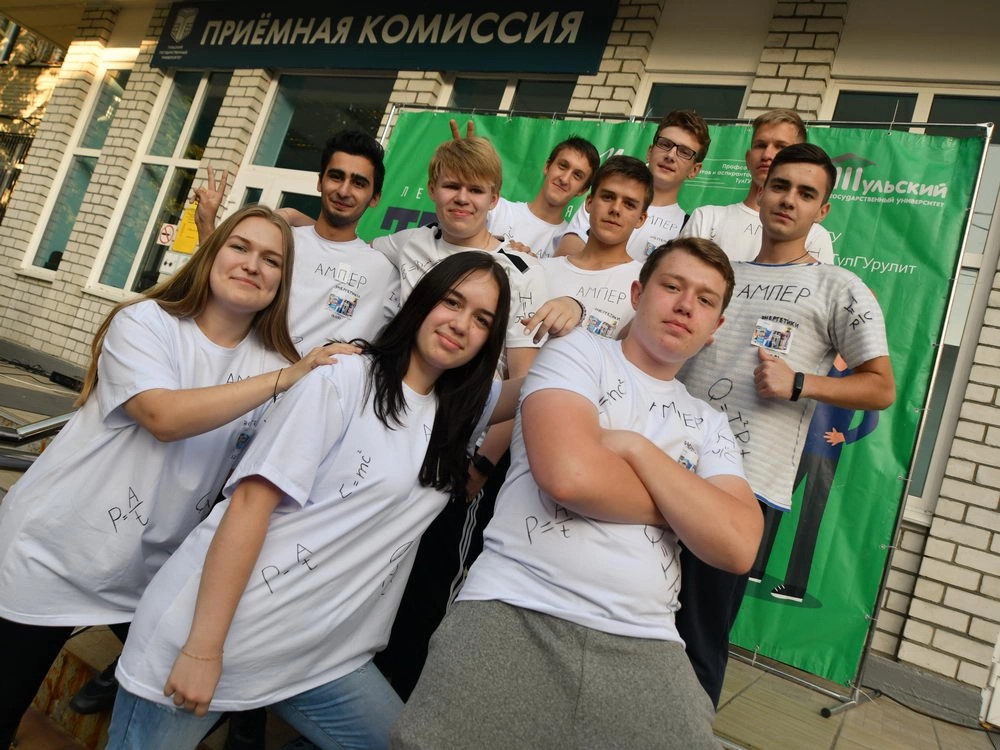
Students
Our students attend classes regularly and are able to independently solve problems and tasks that arise. They are disciplined, clearly understand their goals and strive to achieve them, and easily find common ground with their classmates.
After Graduation
Professional skills and competencies
Professional skills and competencies
Collection, analysis of data and preparation of competitive options in the design of electrical complexes and power supply systems for enterprises, public and cultural buildings.
Monitoring and control of operating modes, forecasting the operational parameters of electrical complexes and power supply systems of enterprises based on the skillful use of devices, verification instruments and installations for monitoring the main parameters of technological processes.
Methods and techniques for performing calculations, developing design documentation, and selecting optimal options for power supply and electric drive schemes in accordance with the requirements of regulatory legal acts and documents of the technical regulation system.
Professional Path
Career Opportunities
Design organizations: engineer, design engineer, design technician.
Industrial enterprises: electrical engineer, power engineer, workshop (section) power engineer, leading specialist in testing and measurements, dispatcher of an enterprise (district) of electric networks.
Electricity supply companies: engineer, electrical engineer, power engineer, power grid control center dispatcher, dispatcher of the operational dispatch service.
Where to realize yourself
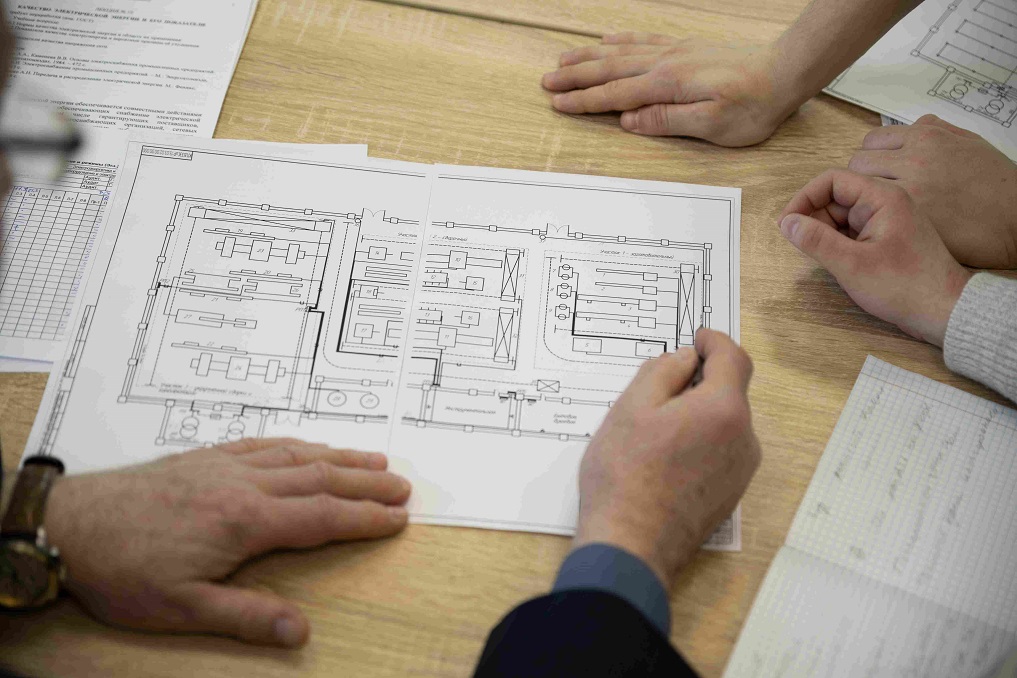
Electrical engineering is the science of everything related to electric current: the internet, lighting, industrial and corporate equipment, kitchen appliances, and other devices. Modern human existence is impossible without electricity. You will be a conduit for the application of electricity in people's lives.