Counseling Psychology
37.03.01 Psychology

About
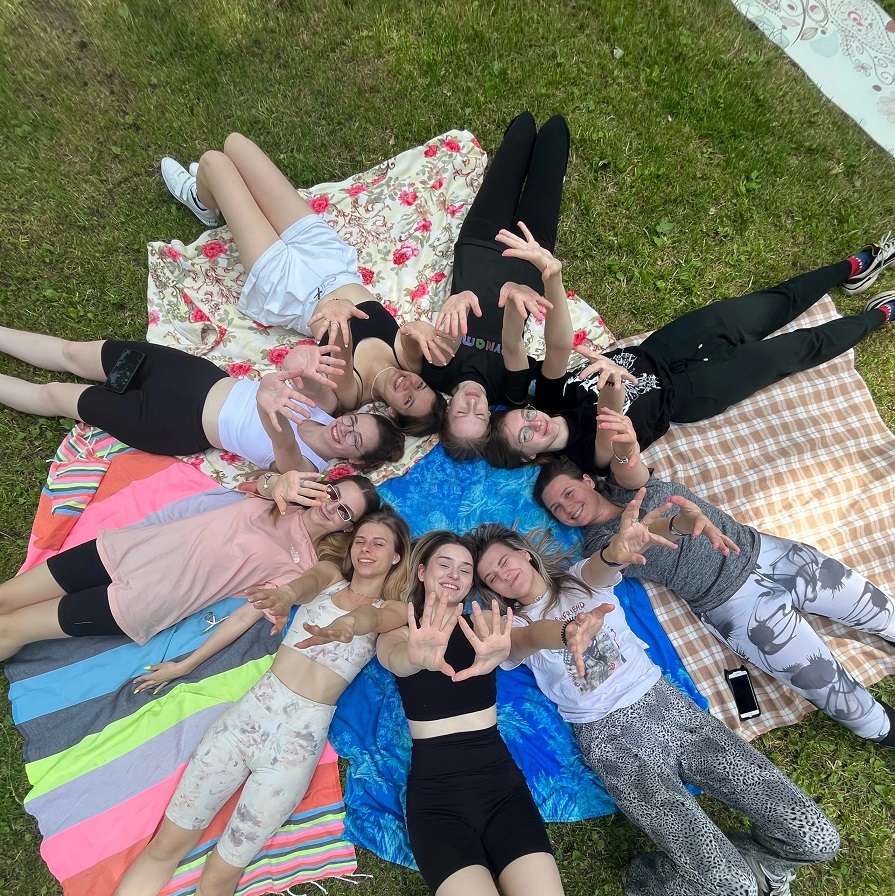
We teach students to understand the nature of human behavior, think systematically and we give them the opportunity to get a profession that allows them to develop in different fields of activity. We focus on ethics, professional boundaries and personal growth of the future specialist. Touch the most fascinating science - the science of human soul. Become someone who gives understanding and support.
Program Description
Integration of psychological and medical education to provide more comprehensive approach to the study of mental health, training quality improvement for specialists in psychiatry and clinical psychology, as well as expanding of the possibility of scientific research and interdisciplinary collaboration.
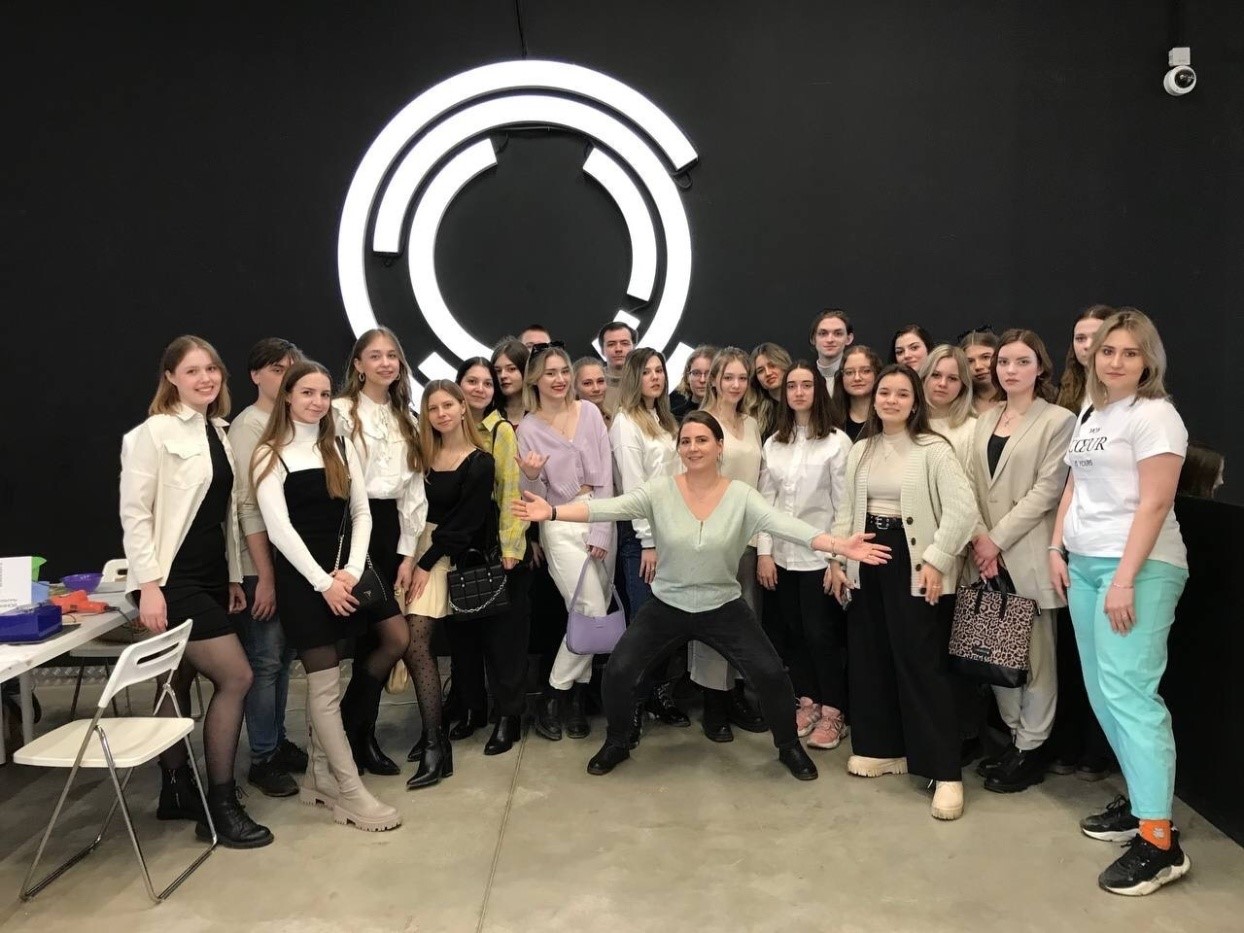
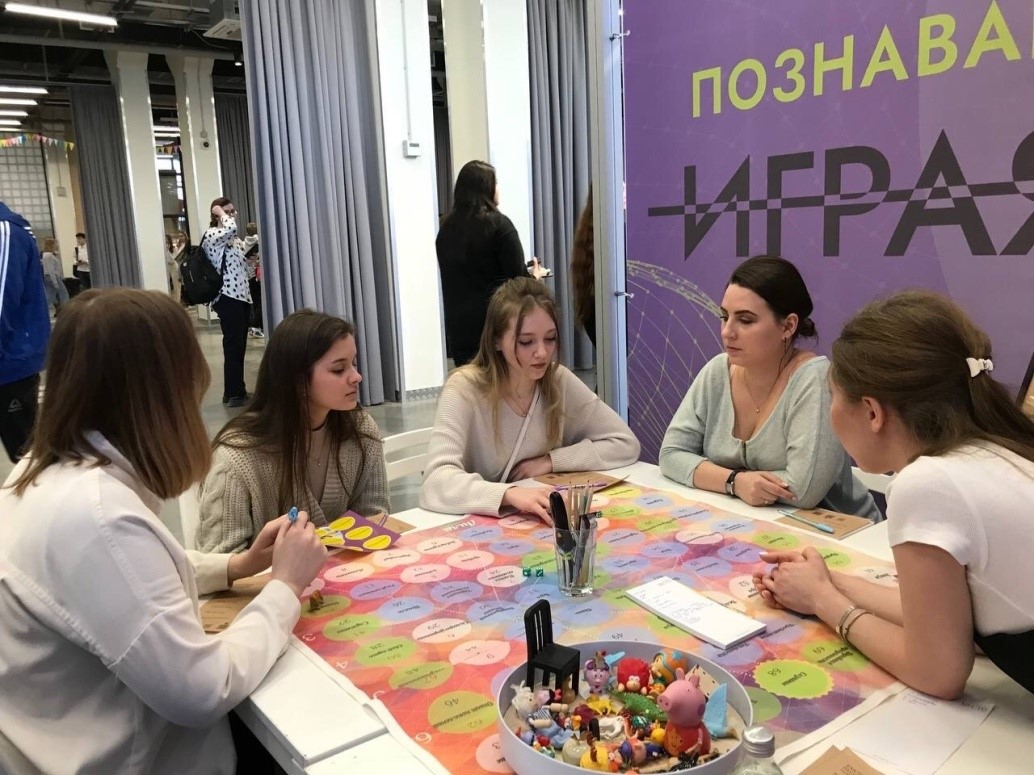
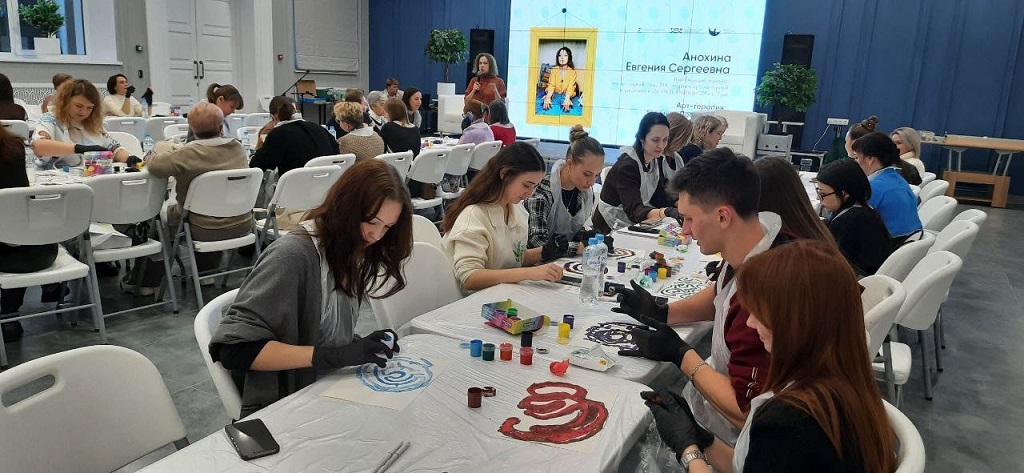
Throughout the academic year, conferences, workshops and other events aimed at developing professional skills and personal qualities are held for students.
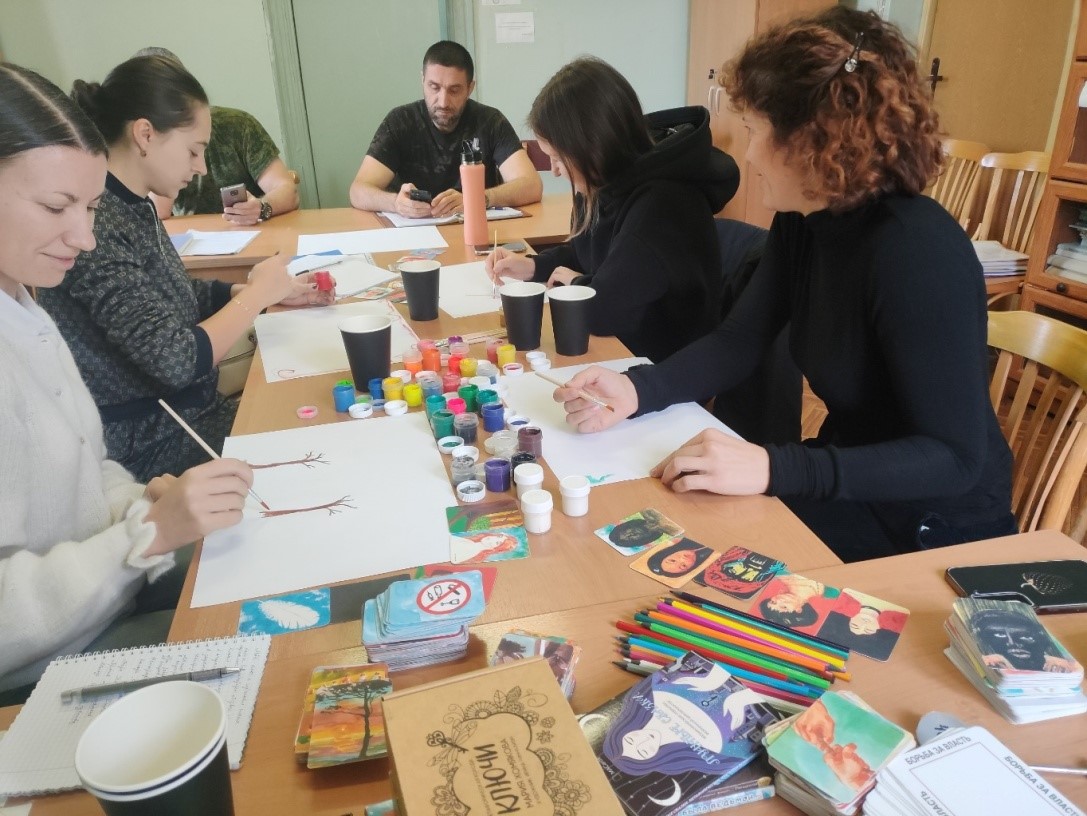
Numerous projects and studies are being implemented under the guidance of experienced teachers. Thematic meetings, quizzes, quests, trainings and olympiads are held.
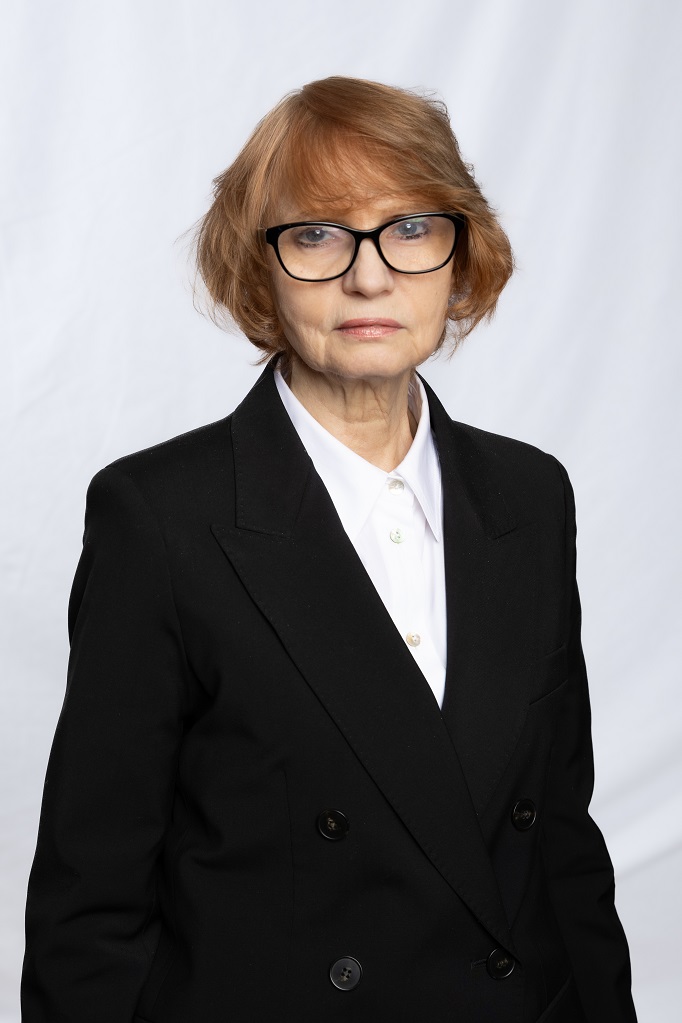
Head of Program
Shurova Nataliya Vladimirovna
Candidate of Psychological Sciences, Associate Professor, Acting Head of the Department of Psychiatry, General and Clinical Psychology.
She is the author of about 70 scientific articles, textbooks and monographs on gender identity, gender identity in different periods of ontogenesis, developmental psychology, psychological support for children with disabilities and their parents, and competence-based approach in education.
Enrollment Plan1:
| Study mode | State-funded places | Hospital-funded place | Places for preferential categories | Places for special categories | Self-funded places |
|---|---|---|---|---|---|
Offline |
2 | - | 1 | 1 | 33 |
Tuition fee2:
| Study mode | Full time | Individual study path |
|---|---|---|
Full time (Offline) for the citizens of the Republic of Belarus, the Republic of Kazakhstan, the Republic of Kyrgyzstan, the Republic of Tajikistan |
171 000 roubles per year |
- |
Full time (Offline) go the citizens of other countries |
237 000 roubles per year |
- |
Entrance examination3 (minimum score):
Biology (40)
Russian Language (40)
Social Studies (45) or Mathematics (40)
Organising Institute:
Submission of documents for Bachelor’s, Specialist’s and Master’s degree programs: +7 4872 73-44-76, e-mail: foreign@tsu.tula.ru
Submission of documents for a pre-university course of Russian: + 7 4872 73-44-76, e-mail: podfaktula@mail.ru
Training
1. Solid scientific base in the field of general, age and social psychology.
2. Unique practical skills: students will master counseling skills and techniques, psychodiagnostics, the basics of psychotherapy and crisis intervention.
3. Valuable experience: from the first year, students will be immersed in practice through trainings, supervision groups and as well as work in real psychological services.
Key disciplines
Key disciplines
Both fundamental and applied disciplines:
Consulting Psychology
Developmental Psychology and Age Psychology
Fundamentals of Practical Psychoanalysis
Ethnic Psychology
Psycholinguistics, Psychosemiotics and Psychohermeneutics
Personality Psychology
Neuropsychology and Pathopsychology
Fundamentals of Psychiatry
Psychogenetics
Psychosomatology
Psychophysiology
Special Psychology
Differential Psychology
Social and Organizational Psychology
Psychology of Art
Psychology of Large Groups
Psychology of Family, Motherhood and Fatherhood
Prenatal Psychology
Psychology of Creativity
Reflection in Personality Structure
Psychodiagnostics and Psychodiagnostics Workshop
Experimental Psychology
Gender Psychology
Extreme Psychology and Safety Psychology
Occupational Psychology, Engineering Psychology
Psychological Workshop
Clinical Psychology
And many others
Practice
In order to successfully master theoretical knowledge and acquire the first practical skills, psychology students are sent for an introductory internship at the children's psychological assistance center immediately after the first fall semester.
During their senior years, psychology students have the opportunity to practice in unusual locations – Tula Airborne Division No. 106 or Federal Penitentiary Service in Tula.
These practices open up new horizons for students and allow them to try themselves as counseling psychologists in conditions different from the usual ones. Working in a military unit requires students to be able to quickly adapt to new conditions and work with people under stress. Here, they help military personnel cope with emotional stress, support their psychological health and teach self-regulation techniques. At Federal Penitentiary Service, students face a completely different reality. Working with the imprisoned requires a unique approach, patience and a deep understanding of human nature. Here, they can apply their knowledge of the psychology of crime, study the motivation of behavior and help people on their way to rehabilitation.
Practice
Partners and Employers
Students
Our students strive to understand the deep laws of human psyche and behavior. They are ready for life-long development.
They see their future in practical psychology, coaching or psychotherapy.
After Graduation
Professional skills and competencies
Professional skills and competencies
Practical activities. Implementation of programs aimed at preventing both deviations in social and personal status and development and occupational risks in various types of activities. Selection and application of psychodiagnostic techniques adequate to the goals, situation and respondents, followed by mathematical and statistical data processing and interpretation.
Scientific and research activities. Setting professional tasks in the field of scientific research and practical activities, participating in psychological research. Conducting standard applied research in a specific area of Psychology.
Pedagogical activity. Design, implementation and evaluation of the educational process and educational environment in training psychological personnel, taking into account modern active and interactive teaching methods and innovative technologies.
Organizational and managerial activities. Conducting work with the organization's personnel in order to select personnel and create a psychological climate conducive to optimizing the production process.
Other important professional skills of psychologists include empathy, emotional stability, active listening skills, self-reflection, the ability to build boundaries, communicative flexibility and ethics.
Professional Path
Career Opportunities
Our graduates can start a career in psychological, educational and medical centers, private practice, corporations and social projects.
Where to realize yourself
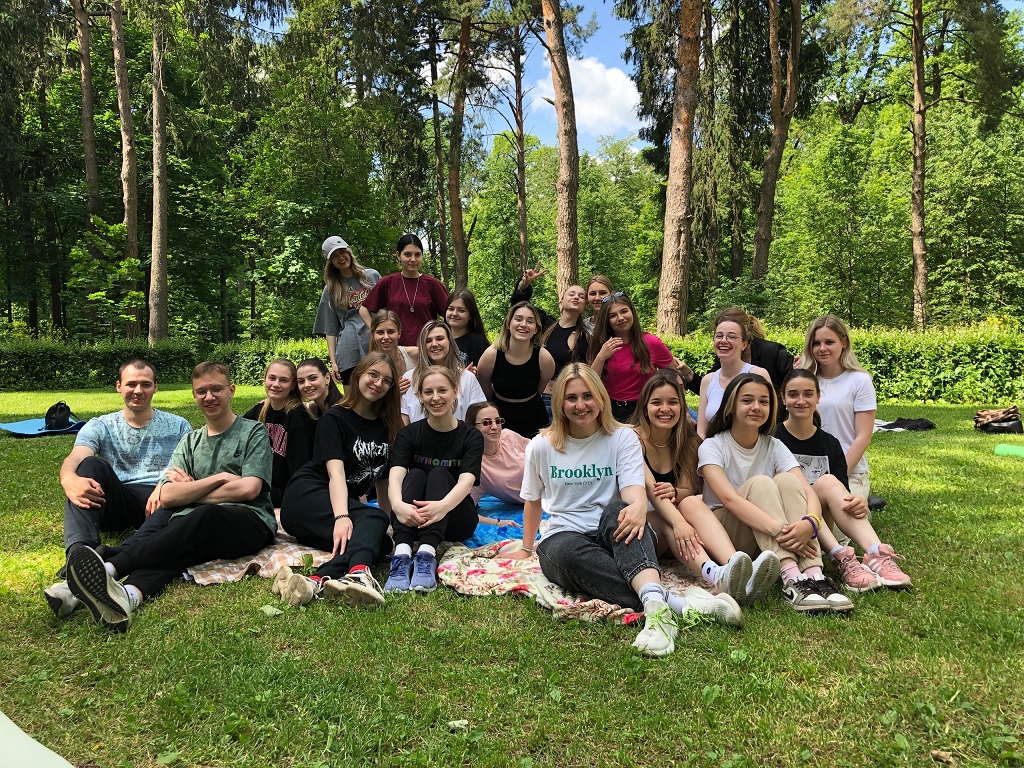
We don't train theorists. We are raising practitioners who, after completing their bachelor's degree, can start a career in psychological centers, on a helpline, in schools or in business.
This is a path for the brave, thoughtful and responsible, for those willing to look deep.
Are you ready to start the most important journey – the journey to yourself and to the profession of the future?
It won't be boring here.
You will:
- Get to know yourself through personal growth training and group work
- Learn life-changing tools, from basic active listening to crisis management
- From the first year, you will try yourself as a consultant in training practices
- Understand how relationships, emotions, fears and human victories work