Corporate Management
38.03.02 Management

About
Mission of the educational program is to train highly qualified and competitive specialists who are able to make informed decisions on effective management of various objects in a dynamic environment based on the acquired skills.
The purpose of the “Management” educational program is to prepare graduates for organizational and managerial, informational and analytical and entrepreneurial activities.
We teach students to develop and implement corporate, competitive and functional strategies of the organization; ensure operational activities of the organization; form effective teams; make informed management decisions in conditions of uncertainty and risk.
The program is aimed at young people seeking education in the field of management of enterprises and organizations operating in the context of modern challenges and digitalization of the economy.
Our students, who receive a fundamental theoretical knowledge base that forms the skills of analytical and managerial activities, allowing them to master professional competencies, learn how to manage business processes both in theory and in practice.
This educational program is of interest to those who are focused on effective solutions of the problems of regional enterprises and organizations sustainable development in an unstable external environment.
This program develops skills in selection and effective placement of personnel; development, adoption and implementation of strategic and tactical decisions; optimization of the quality management system and ensuring the competitiveness of enterprises and organizations in the region.
Graduates of the program can successfully work in organizations of various organizational and legal forms in all sectors of the economy, in state and municipal government, in structures in which graduates are entrepreneurs who create and develop their own businesses.
Monthly salary of managers varies from 55,000 to 150,000 rubles.
The employment status of graduates is:
- more than 80% in the 4th year of study (part-time, combine study with work);
- 96% within a year of graduation.
Program Description
The program, developed on the basis of industry professional standards, is distinguished by its practice-oriented direction: students complete practices at enterprises starting from the second semester, which allows them to complete coursework, research and final qualifying work using the materials from specific enterprises and organizations.
The priority of the educational program is formation of individual professional training trajectories by choosing specialization disciplines, which allows, among other things, to carry out comprehensive bachelor's work as a startup. For example, student PortnovEvgeny prepared and successfully defended a thesis on “Developing a business plan for creating a small enterprise for the development and application of digital gaming applications”, winning a grant; student Olga Shutenkova prepared and successfully defended a thesis as a startup on “Developing an innovative project for the development of a construction organization”.
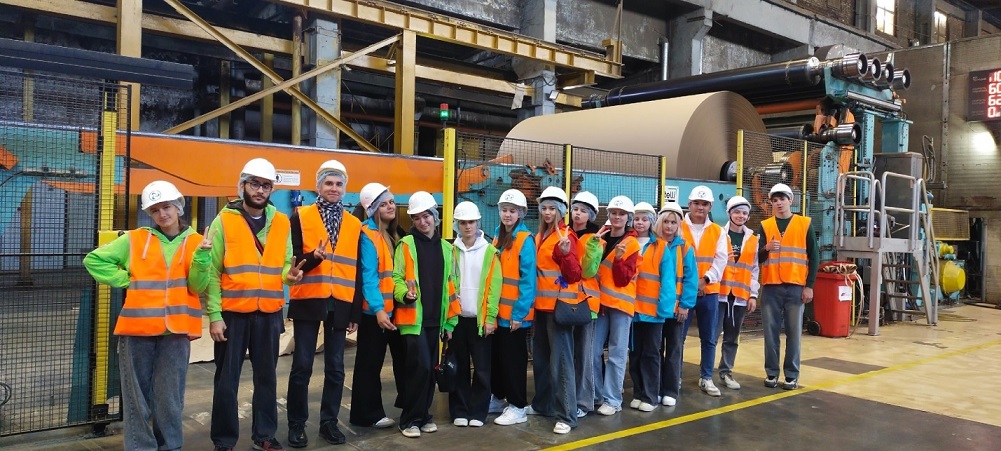
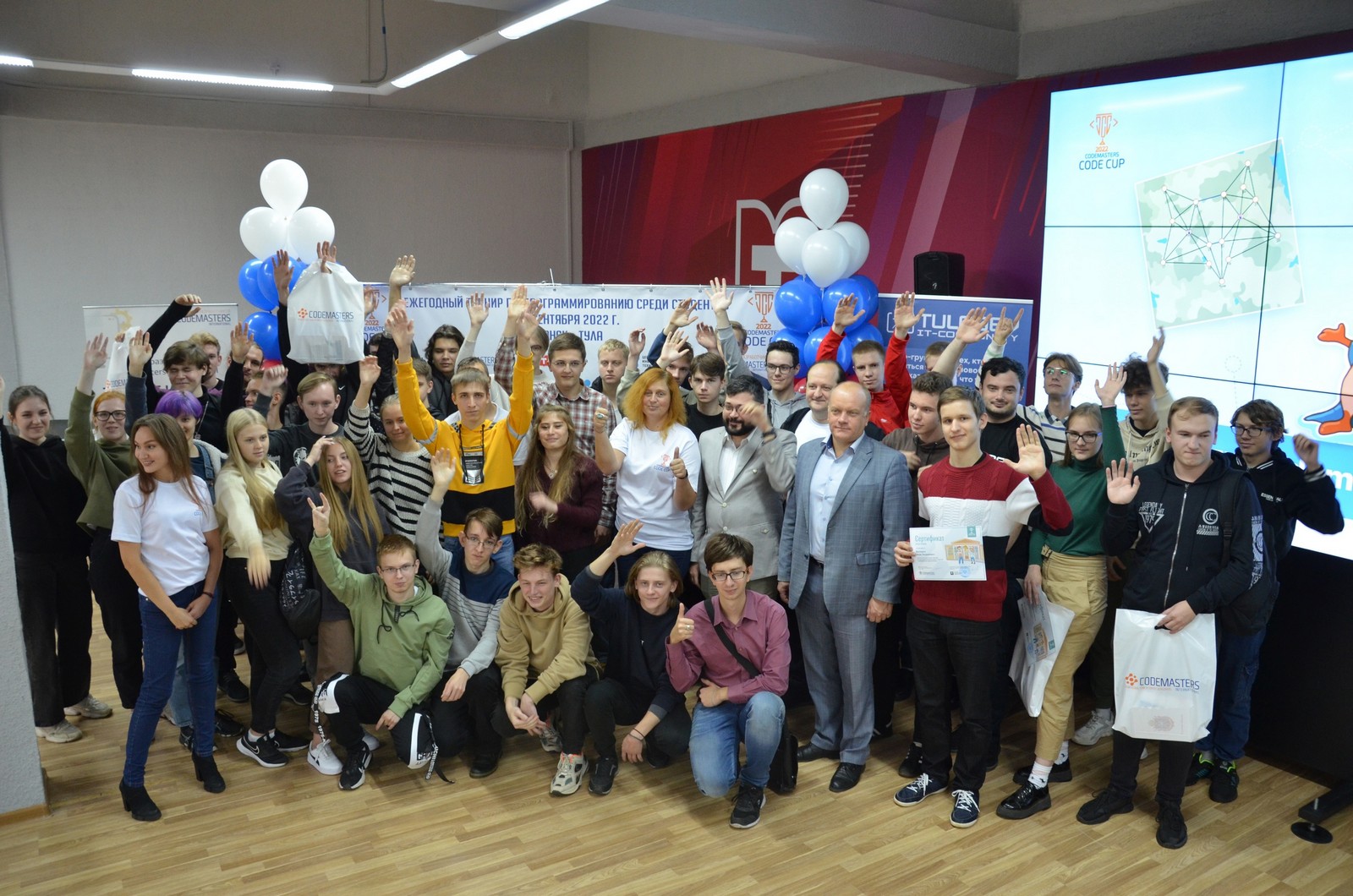
This program provides students with the opportunity to take active part in workshops, olympiads, competitions at the national and international levels, and perform design work on real practical tasks of partner enterprises of the educational program.
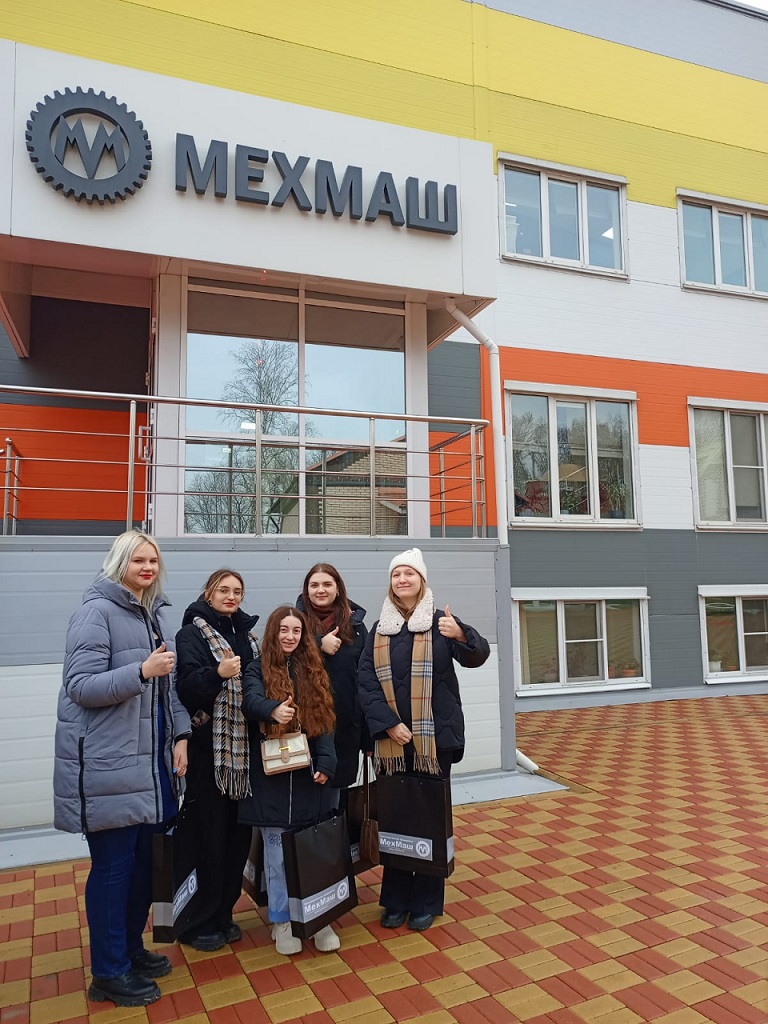
Mobile learning: Organization of the learning process regardless of place and time, access to educational resources of the program. 60% of students in their final year successfully combine study and work at enterprises in Tula and the Tula region.
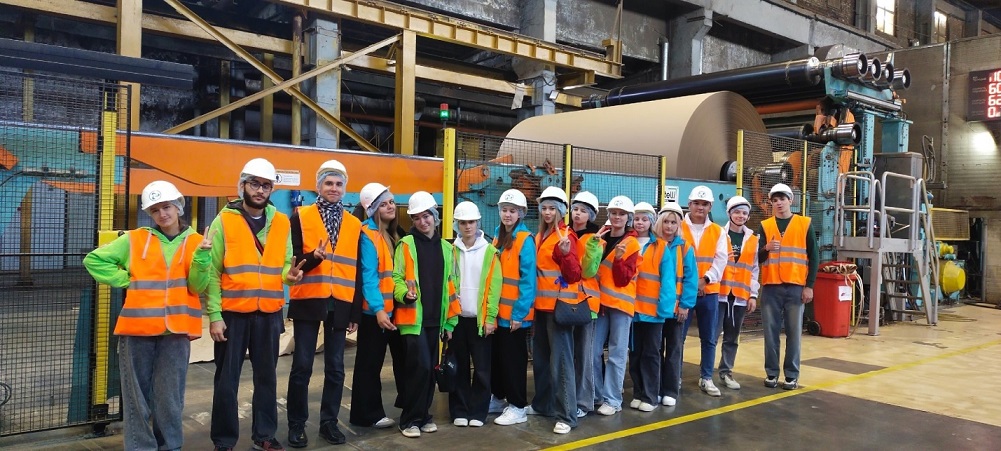
Atmosphere of cooperation: Lecturers often act as tutors and mentors, helping students reach their potential by supporting them in the learning process.
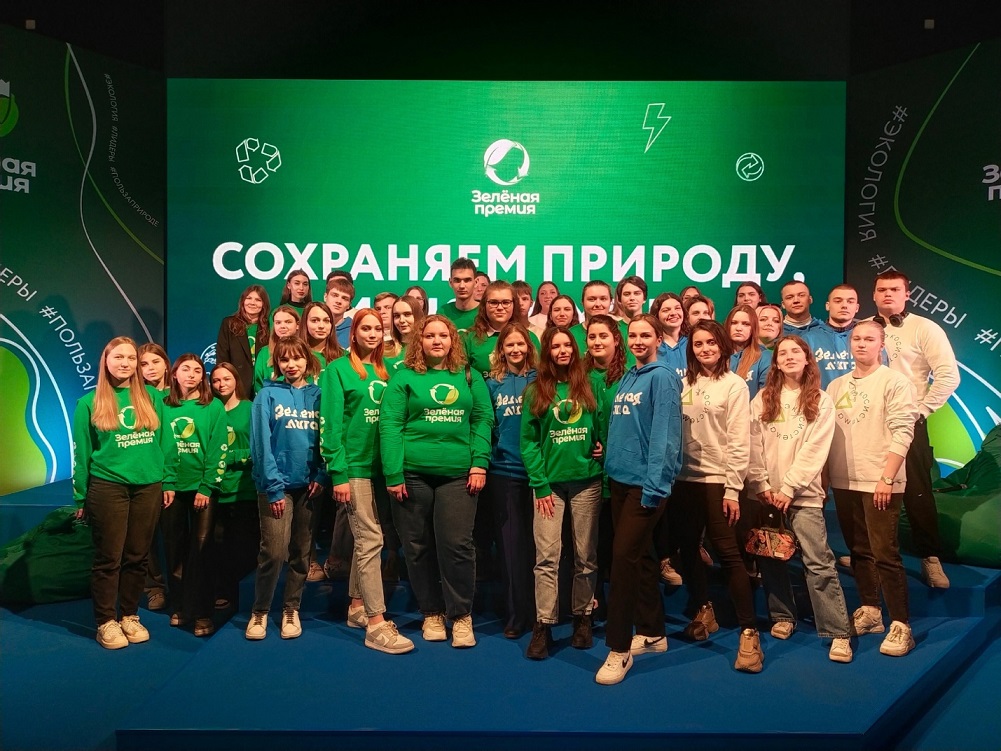
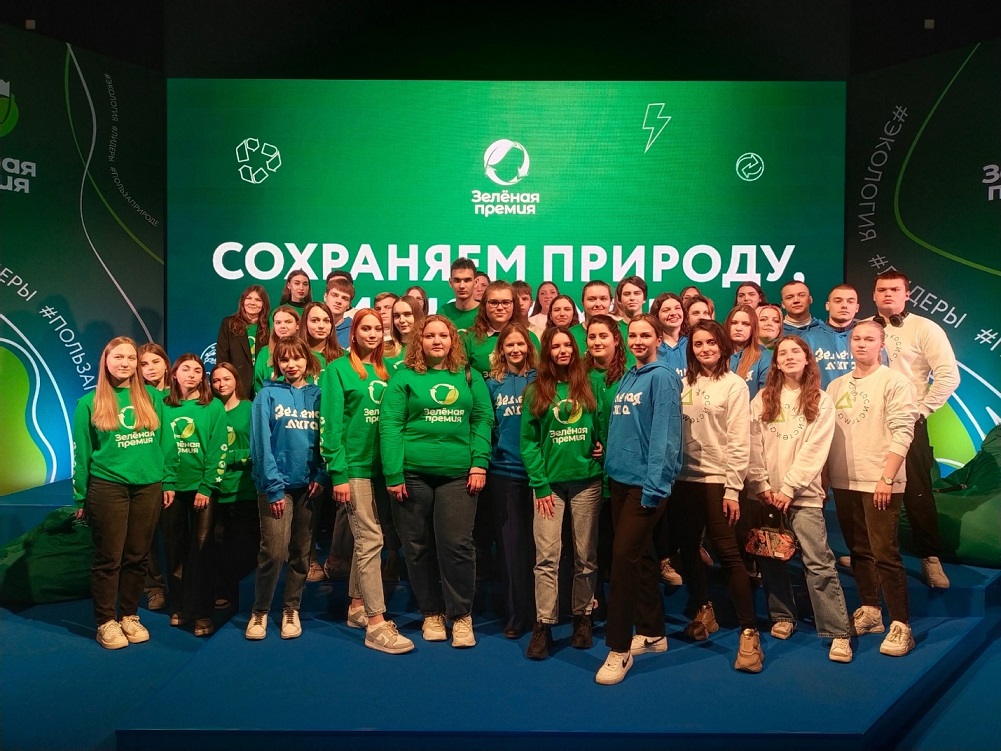
Participation in the implementation of the National Project “Ecology”.
Head of Program
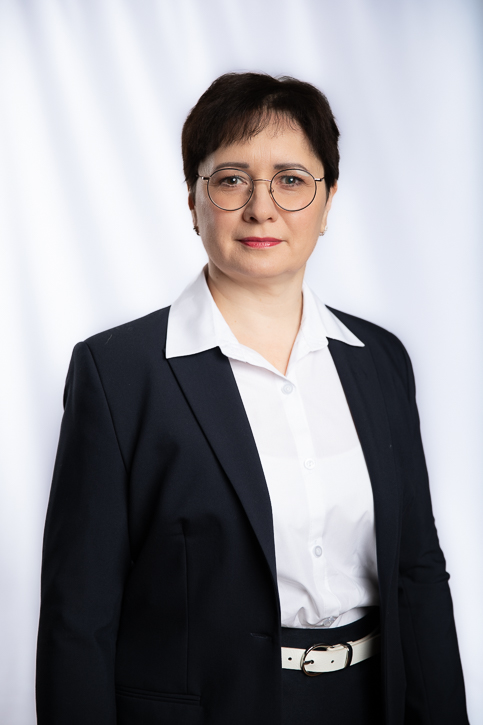
Sabinina Anna Lvovna
Doctor of Economics, Professor, Head of the Department of Finance and Management
Research interests: Socio-economic development of regions, sustainable development of regional economic sectors.
Laureate of the S.I. Mosin Prize;
member of the Public Council of the Office of the Federal Tax Service of Russia for the Tula Region;
member of the Expert Commission for conducting a public independent examination of draft regulatory legal acts of the Tula municipality on budgetary and tax policy;
independent expert of the Central Attestation Commission for the attestation of state civil servants of executive authorities and the government of the Tula region;
member of the expert commission for reviewing applications for regional grants and competitions, member of the editorial board of the journal "Finance and Credit" of the publishing house "Finance and Credit" (Moscow);
invited member of the dissertation Council at the Russian Presidential Academy of National Economy and Public Administration (RANEPA).
Enrollment Plan1:
| Study mode | State-funded places | Hospital-funded place | Places for preferential categories | Places for special categories | Self-funded places |
|---|---|---|---|---|---|
Offline |
- | - | - | - | 31 |
Tuition fee2:
| Study mode | Full time | Individual study path |
|---|---|---|
Full time (Offline) for the citizens of the Republic of Belarus, the Republic of Kazakhstan, the Republic of Kyrgyzstan, the Republic of Tajikistan |
171 000 roubles per year |
- |
Full time (Offline) go the citizens of other countries |
237 000 roubles per year |
- |
Entrance examination3 (minimum score):
Mathematics (40)
Russian Language (40)
Foreign Language (40) or Computer Science and ICT (46) or History (40) or Social Studies (45)
Organising Institute:
Institute of Law and Management
Submission of documents for “Corporate Management” program: +7 4872 73-44-76, e-mail: foreign@tsu.tula.ru
Submission of documents for a pre-university course of Russian: + 7 4872 73-44-76, e-mail: podfaktula@mail.ru
Training
In accordance with the curriculum, students in the 1st year study disciplines of the mandatory part of the basic professional educational program of higher education, focused on the formation of universal and general professional competencies.
Starting from the 2nd year, students study disciplines included in the part of the main professional educational program of higher education, formed by participants in educational relations, focused on the formation of professional competencies.
The program's priorities include a set of disciplines in Economics and Management, Digital Management Technologies; Strategic, Innovative, Investment; Financial Management; Personnel Management; Business Evaluation; Marketing Management Technologies and other educational modules.
Classes are distinguished by a high proportion of interactive types of classroom work, including case solving, conducting business and role-playing games, using the brainstorming method, information technology, problem solving, discussions, etc.
During learning process, students use educational and methodological complexes based on modern software products (business modeling systems) ARIS, MS Excel, MS Project, Project Exspert, 1C:ERP, Consultant+, Garant and others.
Key disciplines
Key disciplines
- Project Management;
- Territorial Economic Development;
- Environmental Economics and Sustainable Development;
- HR Management and HR Analytics;
- Management Decision-Making Methods;
- Marketing in Economic Sectors;
- Risk Management;
- Manager`sProfessional Skills;
- Marketing Management Technologies;
- Strategic management;
- 1C: Enterprise Management and Other Training Modules.
Disciplines of the curriculum reveal the realities of the modern business space and promote active communication between students and the business community.
Practice
Educational program is characterized by a practice-oriented approach using innovative learning technologies: action learning, dual learning, and smart partnership technology.
Students undergo the following types of internships:
- Educational practice:
- Introductory;
- Scientific research work (obtaining primary skills in scientific research).
- Production practice:
- Information and analytical;
- Technological (design and technological);
- Organizational and managerial;
- Pre-graduate;
- Scientific research work.
- Organizational, Informational and Entrepreneurial:
- Managerial analytical practice.
Practice bases are the leading enterprises of Tula and the Tula region:
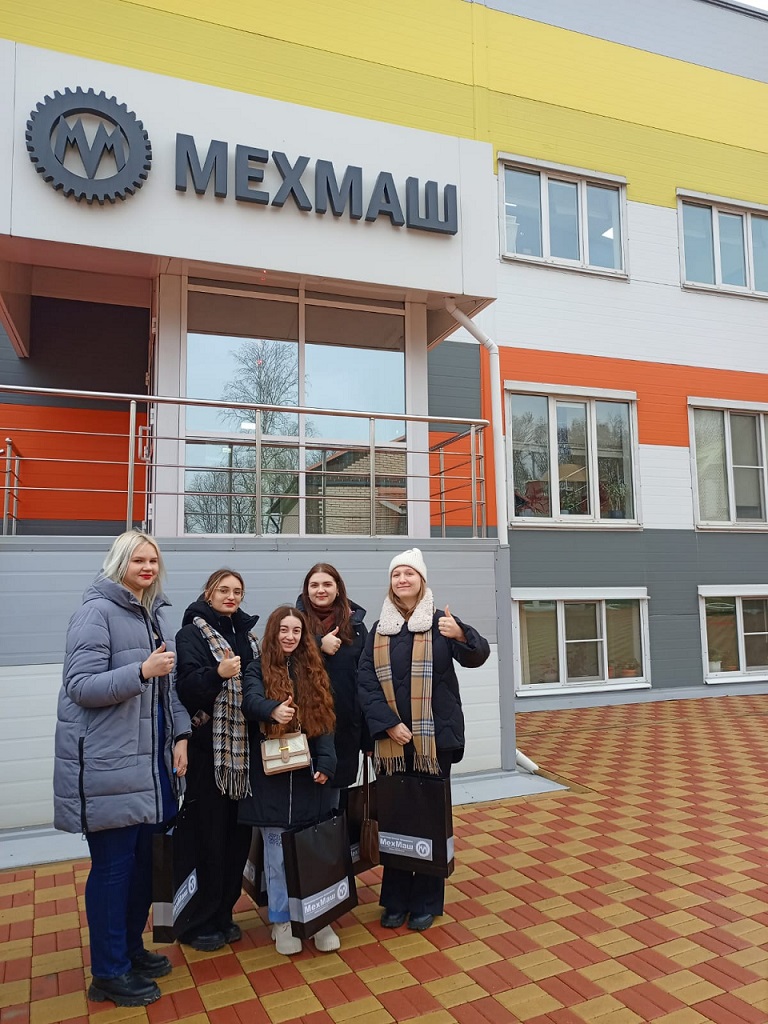
- B.L. Vannikov Shtamp Machine-Building Plant JSC;
- Shchyokinoazot JSC;
- Instrument Engineering Design Bureau named after Academician A.G. Shipunov LLC;
- Haval Motor Manufacturing Rus JSC;
- Tulagorgaz JSC;
- Gazprom Gas Distribution Tula PJSC;
- Imperial Tula Arms Plant;
- Branch of Gazenergoservice-RTO Plant JSC;
- Government of the Tula Region;
- Snab Tula LLC;
- IT HUB Tula LLC;
- Avangard LLC;
- RA MEDIA TRUST LLC
- Other enterprises and organizations.
For the time of practice, students may be employed.
Often, at the end of practice, students receive an invitation to an internship at an enterprise with further employment:
- Yulia Sergeyevna Kanunnikova, a student, received an invitation to work in the logistics department of Haval Motor Manufacturing Rus LLC after completing her internship in the 5th semester;
- Babayev Alexander Andreyevich, a student, received an invitation to work in the marketing department of Tekhnoservice-2002, LLC after completing his practice in the 4th semester;
- Yekaterina Valeryevna Panasova, a student, received an invitation to work in the customer service department at RA MiKo, LLC after completing her practice in the 6th semester.
Practice
Partners and Employers
Students
After Graduation
Professional skills and competencies
Professional skills and competencies
Educational program is aimed at developing strategic thinking to solve practical problems, among which are:
- Manager-explorer skills:
- functional competence in the fields of operational, strategic, innovative, investment, financial, information management, human resources management, marketing, etc.;
- cross-functional competence;
- skills in diagnosing the level of enterprise development;
- benchmarking skills, etc.
- Skills of working with information resources:
- analytical skills;
- skills of working in a virtual environment;
- skills to identify and solve organizational problems in the company.
- Skills of a change management specialist.
Professional Path
Students of the educational program apply the acquired practical skills from the student's bench and successfully start their own business.
Our graduates implement projects, create and develop startups and businesses, effectively manage processes and resources, convey the value of an idea to partners and customers, manage financial flows, attract investments, find new ideas and non-trivial solutions.
Due to the broad educational trajectory, students can work in any field by graduation course – from logistics and marketing to strategic management and finance, from event management to Internet technologies and manufacturing.
Students can continue their studies in master's and postgraduate studies, realizing themselves after completing the program, studying in various additional education programs.
We do everything possible to ensure that enterprising young people with analytical and strategic thinking master professional competencies, develop personal qualities, implement conceived business projects and gain independence in their professional and creative activities.
Where to realize yourself
A manager is a sought-after and highly paid profession if the training is based on the fundamental principles of Economics, Management and Marketing with active involvement of factual material about the state of markets and companies, and experience of leading practitioners.
We train professional managers with modern knowledge who are able to carry out highly effective activities in the field of creation and functioning of competitive organizations.