Chemistry and Technology of Polymer Composites
04.03.01 Chemistry

About
No scientific or technical idea can be realized without a suitable material with the required properties. The creation of any new material is based on chemistry. Polymer composites possess unique mechanical, electrical, optical, and thermal properties. The combination of strength and lightness makes them indispensable in aircraft and rocket engineering, space technology, construction, instrument making, and medicine.
The "Composite Valley" project, large-scale in its scope and impact on the future of the region, is being implemented in the Tula Region. The scientific and innovation cluster will employ 2,400 specialists, conduct research and development, and establish high-tech advanced manufacturing facilities. Our graduates are the foundation of the project's intellectual and human resources potential, trained by highly qualified faculty using modern equipment to solve real-world problems.
Program Description
Integration of education, science, and industry. The educational process is based on modern scientific research conducted at the Tula State University BioChemTech Center and the Inter-University Scientific and Technical Center "Composite," where students conduct research in the field of new composite and carbon materials. The educational program's specific features ensure that graduates are prepared for work in high-tech industries and research centers specializing in polymer composites.
A key advantage of the program is its highly qualified faculty. All faculty members have specialized education, and the vast majority hold academic degrees and titles. The faculty includes graduates of leading Russian universities: Moscow State University, Moscow Institute of Fine Chemical Technologies, and Tula State University.
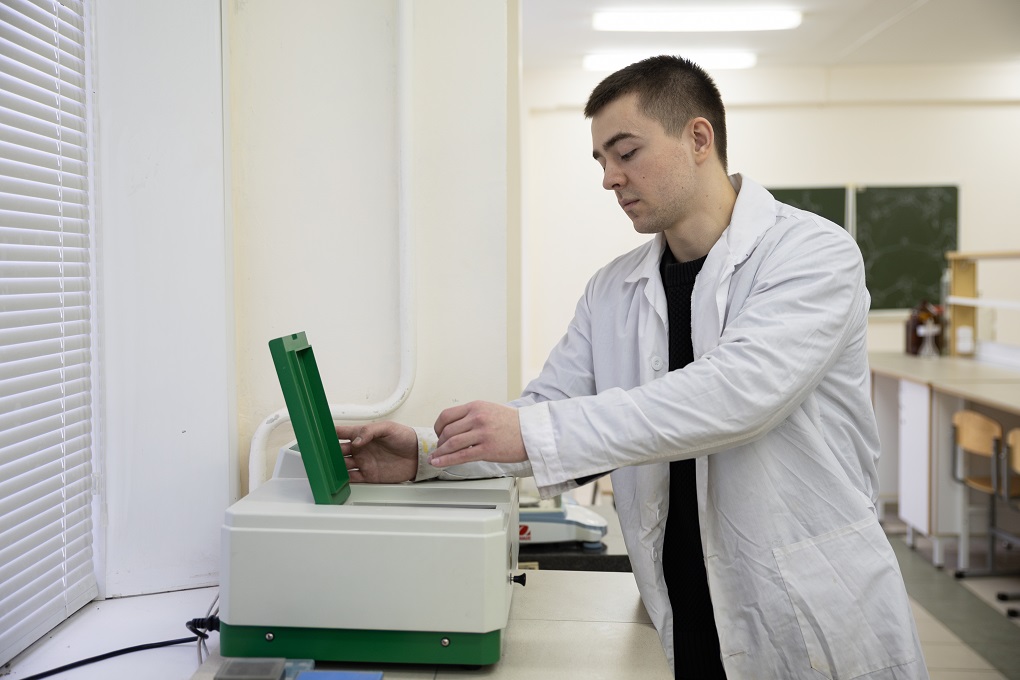
Practical Focus. A distinctive feature of the program is the close integration of theoretical training, extensive laboratory practical training, and practical training at enterprises in the Tula Region. The instructors not only possess fundamental knowledge, but also have proven experience in the practical application of polymers and polymer composites.
Head of Program
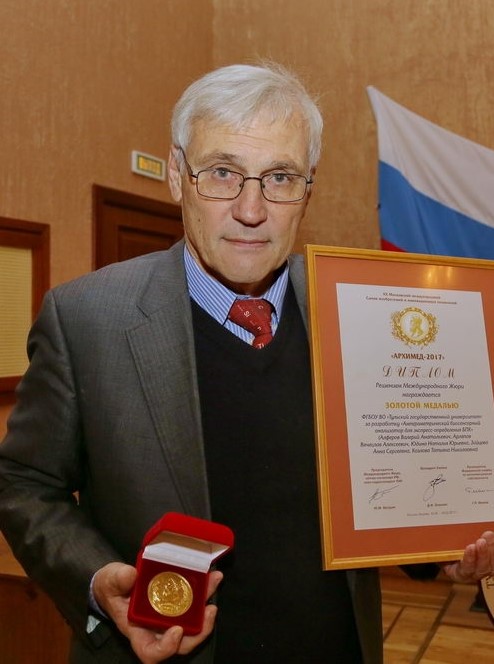
Alferov Valeriy Anatolevich
Candidate of Chemical Sciences, Associate Professor, Honorary Worker of Higher Professional Education of the Russian Federation, awarded a commendation from the President of the Russian Federation for his achievements in scientific and pedagogical work, the training of qualified specialists, and many years of dedicated work.
He manages research projects and grants, authored over 100 articles, patents, and textbooks, and directs new educational programs in Chemistry and Chemical Engineering. Under his supervision, eight candidate dissertations were defended and three new specialties (undergraduate, specialist, master's, and doctoral) were launched at the university: Chemistry, Biotechnology, and Biology.
Research/professional interests: chemistry of polymeric materials, chemical foundations of biological processes, biosensors, and microbial fuel cells.
Enrollment Plan1:
| Study mode | State-funded places | Hospital-funded place | Places for preferential categories | Places for special categories | Self-funded places |
|---|---|---|---|---|---|
Offline |
22 | 4 | 3 | 3 | 15 |
Tuition fee2:
| Study mode | Full time | Individual study path |
|---|---|---|
Full time (Offline) for the citizens of the Republic of Belarus, the Republic of Kazakhstan, the Republic of Kyrgyzstan, the Republic of Tajikistan |
194 000 roubles per year |
- |
Full time (Offline) go the citizens of other countries |
235 000 roubles per year |
- |
Entrance examination3 (minimum score):
Russian Language (40)
Chemistry (40)
Biology (40) or Mathematics (40)
Organising Institute:
Submission of documents for “Molecular Biotechnology and Bioengineering” program: +7 4872 73-44-76, e-mail: foreign@tsu.tula.ru
Submission of documents for a pre-university course of Russian: + 7 4872 73-44-76, e-mail: podfaktula@mail.ru
Training
Organization of the Academic Process:
The curriculum is built on a combination of fundamental theoretical training and intensive practical skills development. Already in their first year, students are immersed in a professional environment through in-depth study of the key discipline – inorganic chemistry (6 hours of lectures per week; 4 hours of practical classes; 8 hours of laboratory work). This format allows students to develop essential professional skills and competencies from the first months of study.
Scientific Basis of the Program:
The educational process is linked to cutting-edge scientific research conducted at the Tula State University Department of Chemistry, the Tula State University BioChemTech Center, and the Interuniversity Scientific and Technical Center "Komposit."
Practical Component:
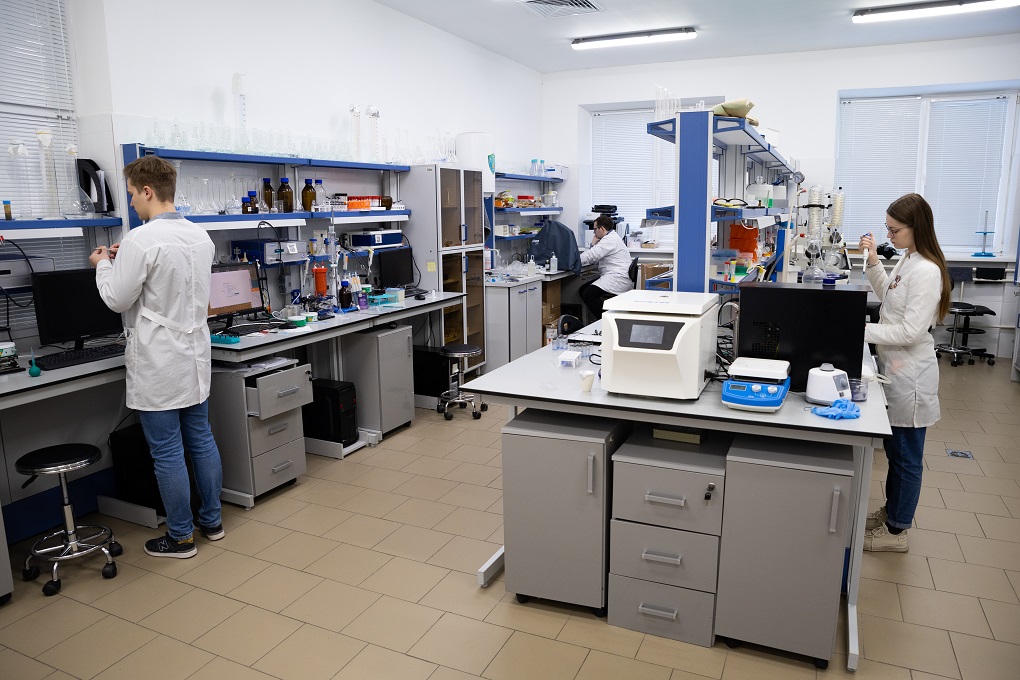
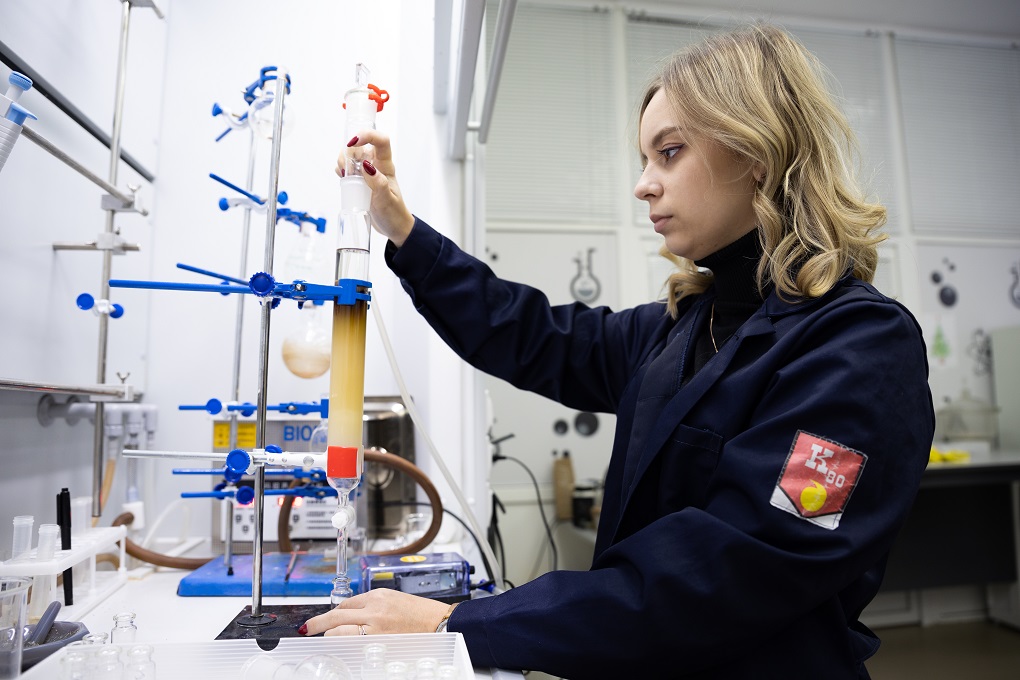
The most important element of training is the experimental component. The total volume of laboratory classes in chemical disciplines is over 250 hours per year, which allows them to:
- Practice skills in using modern equipment;
- Master methods of synthesis and analysis of substances;
- Gain experience conducting complex chemical experiments.
Student Research:
The program provides for systematic scientific and practical activities:
- Each student completes an individual experimental coursework project annually;
- In senior years, coursework topics are selected so that their results can be integrated into the final qualifying work, ensuring a high level of preparation and completion of the theses.
Key disciplines
Key disciplines
- Inorganic Chemistry;
- Analytical Chemistry;
- Organic Chemistry;
- Physical Chemistry;
- Polymer Composite Technology;
- Chemistry of Polymer Materials;
- Application of Polymer Composites;
- Chemical Principles of Biological Processes;
- Chemical Engineering;
- High-Molecular Compounds.
Practice
As part of the educational program, students complete several types of internships (introductory, educational, industrial (chemical engineering), and pre-graduation), each with its own specific focus and contributing to the development of professional competencies.
Internships are organized at:
- Tula State University BioChemTechCenter;
- ISTC "Composit".
In addition, students complete internships at partner companies, including:
- "SHCHEKINOAZOT" JSC;
- "KBP Instrument Design Bureau" JSC;
- "Scientific and Production Association "Splav" named after A.N. Ganichev" JSC;
- Federal State Budgetary Institution "Central Scientific and Methodological Veterinary Laboratory";
- Federal State Budgetary Institution "State Regional Center for Standardization, Metrology, and Testing in the Tula and Oryol Regions";
- "Spetsgeologorazvedka" LLC;
- Federal Research Center "Pushchino Scientific Center for Biological Research" of the Russian Academy of Sciences;
- "Kosogorsky Metallurgical Plant" PJSC;
- NPP "TULSKAYA INDUSTRIYA LTD" LLC;
- "Tulachermet" JSC.
Thus, the internship system ensures a smooth transition from academic education to professional activity, increasing graduates' competitiveness in the labor market.
Practice
Partners and Employers
Students
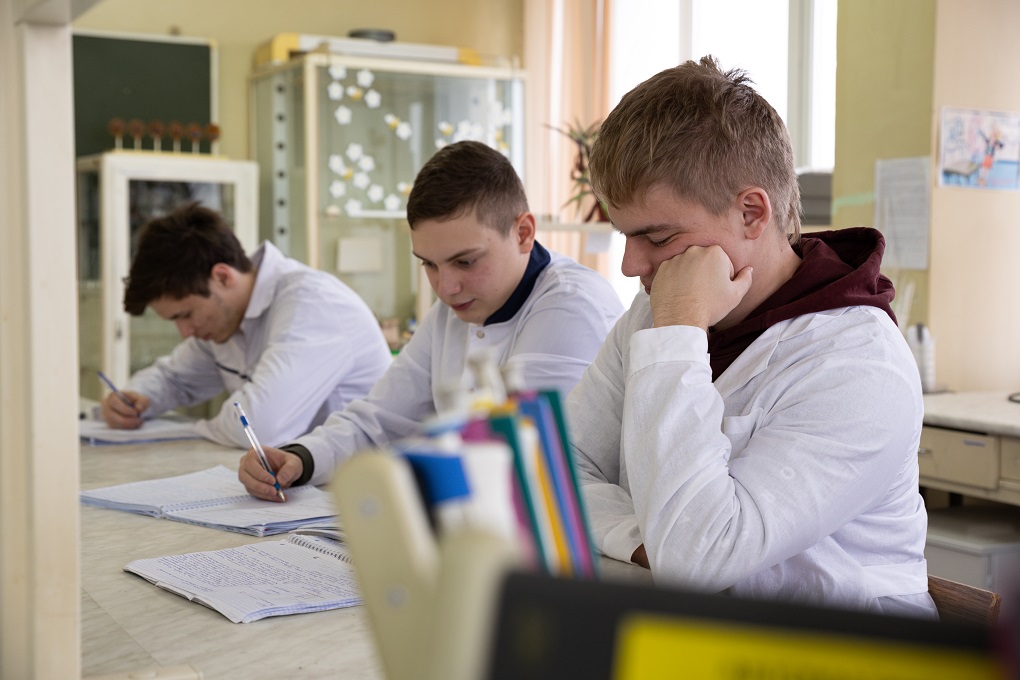
Students in the "Chemistry and Technology of Polymer Composites" program are driven and inquisitive young people with a genuine passion for chemistry and materials science. They actively participate in scientific activities: they attend specialized seminars and conferences, engage in research projects, and independently study additional literature beyond the required curriculum. A distinctive characteristic of these students is their initiative: they don't limit themselves to ready-made solutions, but generate their own ideas for experiments and seek ways to optimize technological processes. They are motivated not only by mastering the theoretical foundations but also by the opportunity to achieve practical results – developing materials with desired properties, recognizing their importance for industry and everyday life.
After Graduation
Professional skills and competencies
Professional skills and competencies
Upon completion of their training, graduates acquire the following competencies:
- Searching for and analyzing information using a systems approach;
- Planning chemical work and processing results using physical and mathematical methods;
- Interpreting chemical experimental data, observations, and measurements;
- Selecting technical equipment and testing methods for research tasks;
- Quality control of chemical raw materials, components, and products; and product certification.
Professional Path
- In science, they continue their research at leading research centers and institutes, publish articles in peer-reviewed journals, and participate in grant programs;
- In education, more than 20 graduates of the Chemistry Department work at Tula State University, passing on their knowledge to the next generation of students and developing curricula and teaching materials;
- In manufacturing, they hold engineering and management positions at enterprises in the chemical, pharmaceutical, and mechanical engineering industries, implementing innovative technologies, monitoring product quality, and optimizing technological processes;
- In chemical expertise, they work in accredited and certification centers, forensic laboratories, and environmental monitoring laboratories, analyzing substances and materials and issuing expert opinions;
- In the chemical industry, they work for large companies in the Tula, Kaluga, Moscow, and other regions.
Where to realize yourself
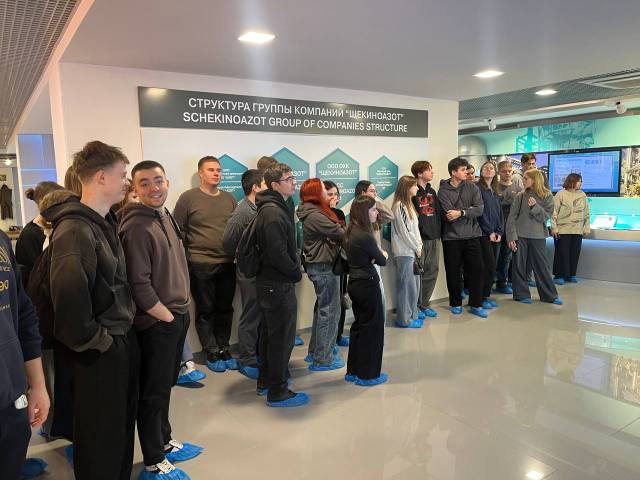
Want to go beyond just studying chemistry and create the materials of the future? The "Chemistry and Technology of Polymer Composites" program will open the world of cutting-edge technologies: you'll work in modern laboratories, master innovative materials synthesis methods, participate in real-world research projects, and collaborate with leading industry companies. Having acquired fundamental knowledge and practical skills, you'll become a sought-after specialist capable of developing and implementing next-generation polymer composites.