Bioecology
06.03.01 Biology

About
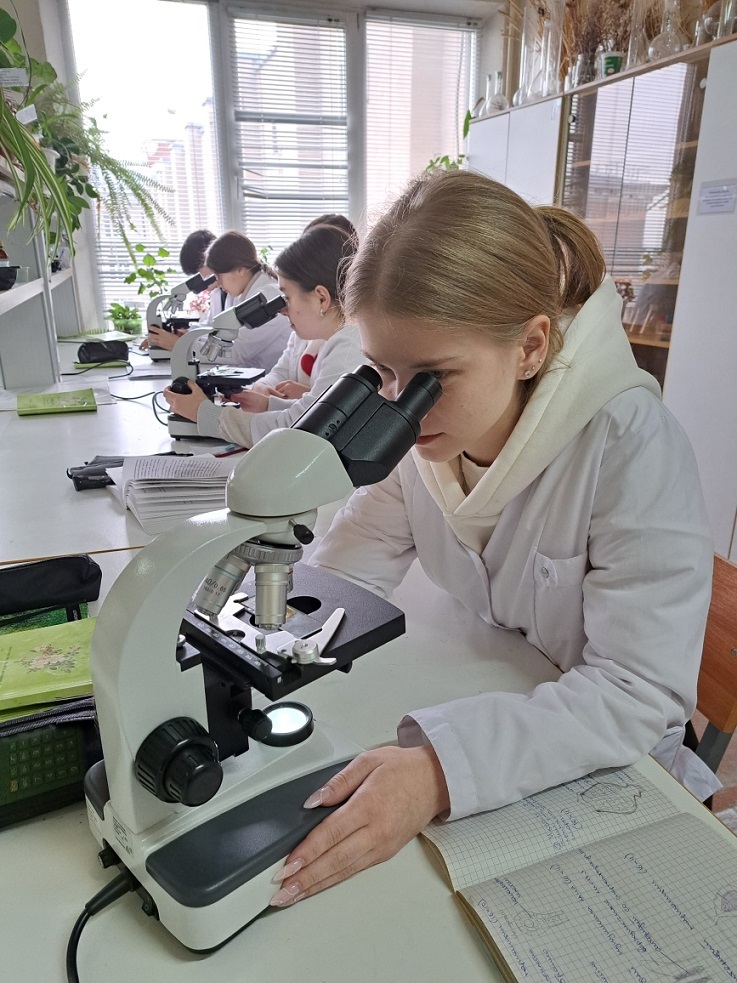
In today’s world, issues concerning environmental safety and the state of the environment as a whole are becoming increasingly critical. This creates a demand for specialists who understand the principles and dynamics of ecosystem functioning – precisely the kind of professionals we train at TulSU. With a broad perspective, up-to-date knowledge of biology and ecology, and hands-on experience with modern equipment, our graduates are prepared not only to work at high-tech enterprises but also to develop innovative approaches to environmental conservation and the rehabilitation of human-altered landscapes.
If you want to understand how ecosystems function — from a single drop of water to the entire biosphere — and learn how all components (including humans) are interconnected; if you want to explore the world around you and discover how to innovate without harming nature – join us!
Together, we will study biodiversity at various levels and develop strategies for the conservation and restoration of natural ecosystems!
If you want to work toward a prosperous future for all – from the individual to the biosphere – you should come to us!
Program Description
The "Bioecology" specialization curriculum focuses on assessing the state of the natural environment, examining the diversity of living organisms across various climatic and ecological conditions, and monitoring both biota and abiotic parameters.
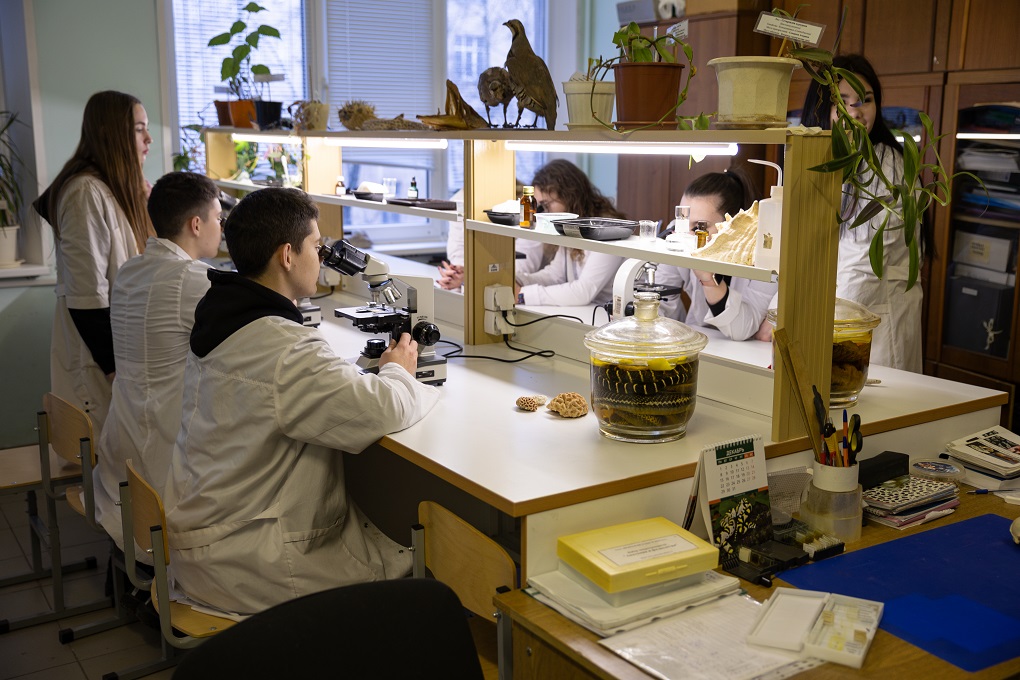
The educational program for the "Biology" major encompasses a range of biological and related disciplines. The curriculum is structured to enable the study of how living organisms function across scales – from the macro-level (ecosystems, populations, and individuals) to the micro-level (tissues, cells, biological processes, genes, and molecules). The subjects of study include all groups of living organisms: humans, plants, animals, fungi, bacteria, and viruses.
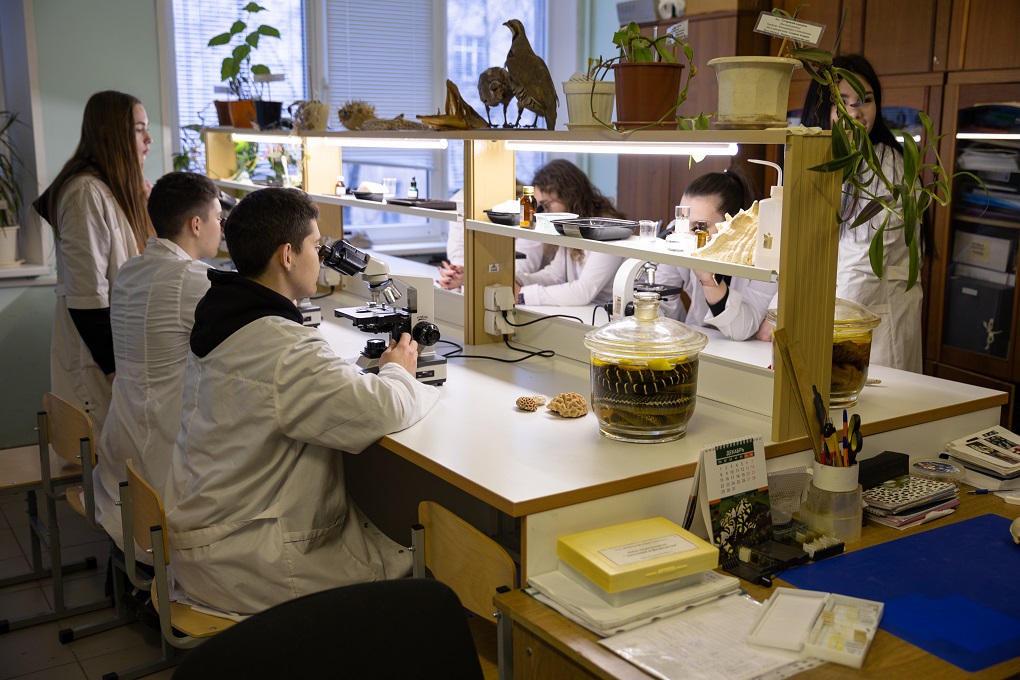
Familiarity with methods in molecular biology, genetic engineering, and cell engineering allows students to advance into the field of biotechnology, exploring various practical applications. A key component of the program is a module dedicated to assessing the habitats of different organisms. Students consolidate their knowledge through field training and professional internships. Building on the competencies they have acquired, students carry out term papers and graduation projects that align with the department's research areas and are supported by grant funding. Students master a wide range of research methods – from fieldwork to laboratory experiments – and gain the skills to analyze research findings and prepare publications.

Head of Program
Volkova Elena Mikhailovna
Head of the Biology Department, Doctor of Biological Sciences, Associate Professor.
Research/professional interests: plant and community ecology, botany, and biogeography.
Leading expert in the conservation of natural ecosystems, author of over 350 scientific publications, including 5 monographs and 48 articles indexed in Web of Science and Scopus, and grant manager for the Russian Science Foundation and the Government of the Tula Region.
Enrollment Plan1:
| Study mode | State-funded places | Hospital-funded place | Places for preferential categories | Places for special categories | Self-funded places |
|---|---|---|---|---|---|
Offline |
20 | - | 2 | 2 | 15 |
Tuition fee2:
| Study mode | Full time | Individual study path |
|---|---|---|
Full time (Offline) for the citizens of the Republic of Belarus, the Republic of Kazakhstan, the Republic of Kyrgyzstan, the Republic of Tajikistan |
194 000 roubles per year |
- |
Full time (Offline) go the citizens of other countries |
235 000 roubles per year |
- |
Entrance examination3 (minimum score):
Biology (40)
Russian Language (40)
Chemistry (40) or Mathematics (40)
Organising Institute:
Submission of documents for “Molecular Biotechnology and Bioengineering” program: +7 4872 73-44-76, e-mail: foreign@tsu.tula.ru
Submission of documents for a pre-university course of Russian: + 7 4872 73-44-76, e-mail: podfaktula@mail.ru
Training
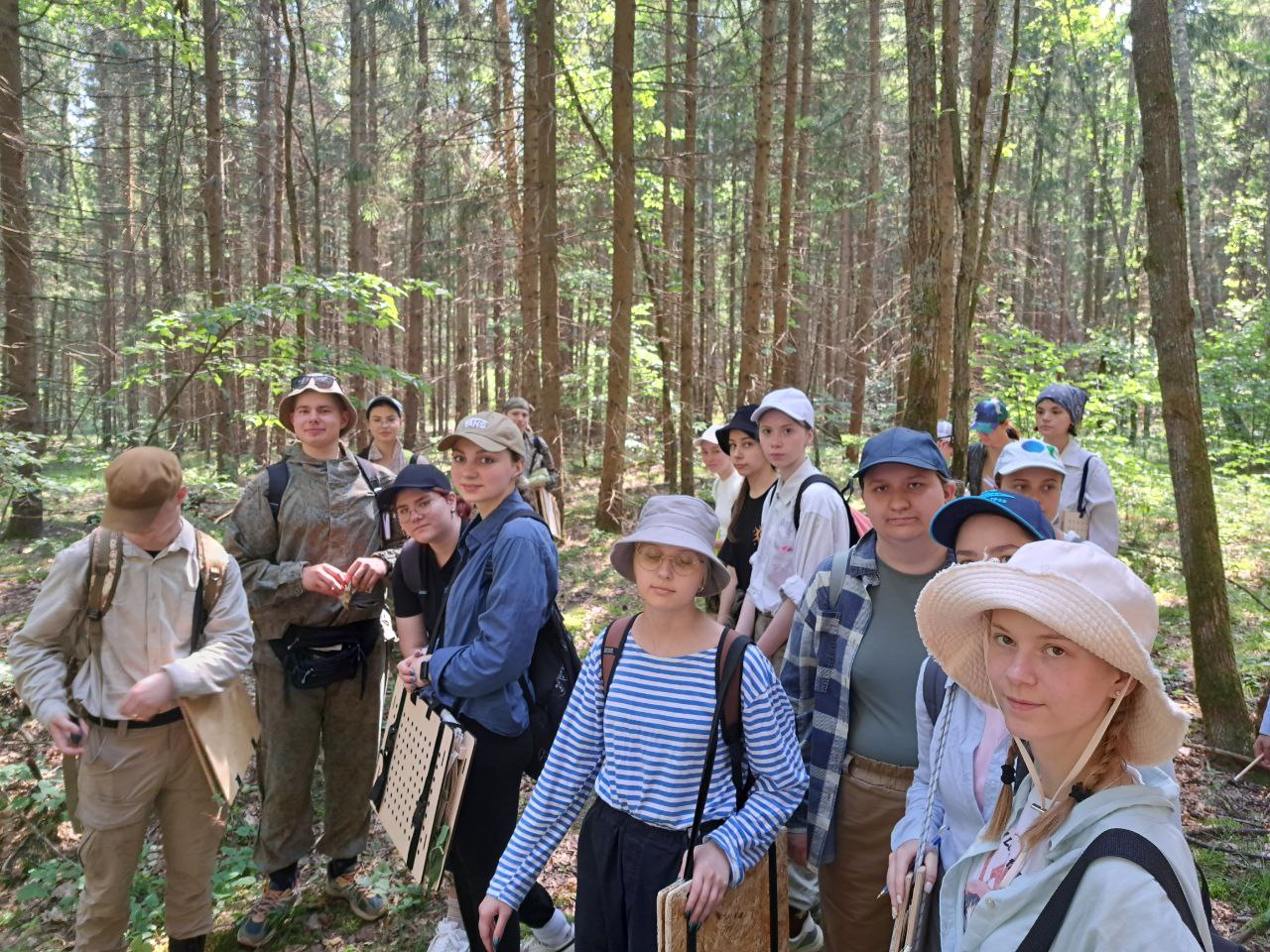
Instruction begins with fundamental biological disciplines; in their first year, students study General Biology, Botany, and Zoology, as well as Earth Sciences, a course that introduces them to the various environments inhabited by living organisms. This enables students to gain an early understanding of plant and animal diversity and the impact of complex environmental factors on their structure and functioning. At the end of the first semester, students complete a two-week introductory field placement, where they begin to learn botanical and zoological research methods – covering both laboratory-based work (such as identifying specimens and preparing herbarium sheets and collections) and fieldwork. Practical outdoor activities allow them to master techniques for observing animals in winter and describing plants in their leafless state. Additionally, students visit greenhouses, museums (including the Darwin, Paleontological, and Zoological Museums), and exotariums to broaden their understanding of organismal diversity and the ways in which organisms adapt to different habitats. Thus, by the end of the first semester, students have developed an understanding not only of the diversity of organisms but also of the approaches used to study them.
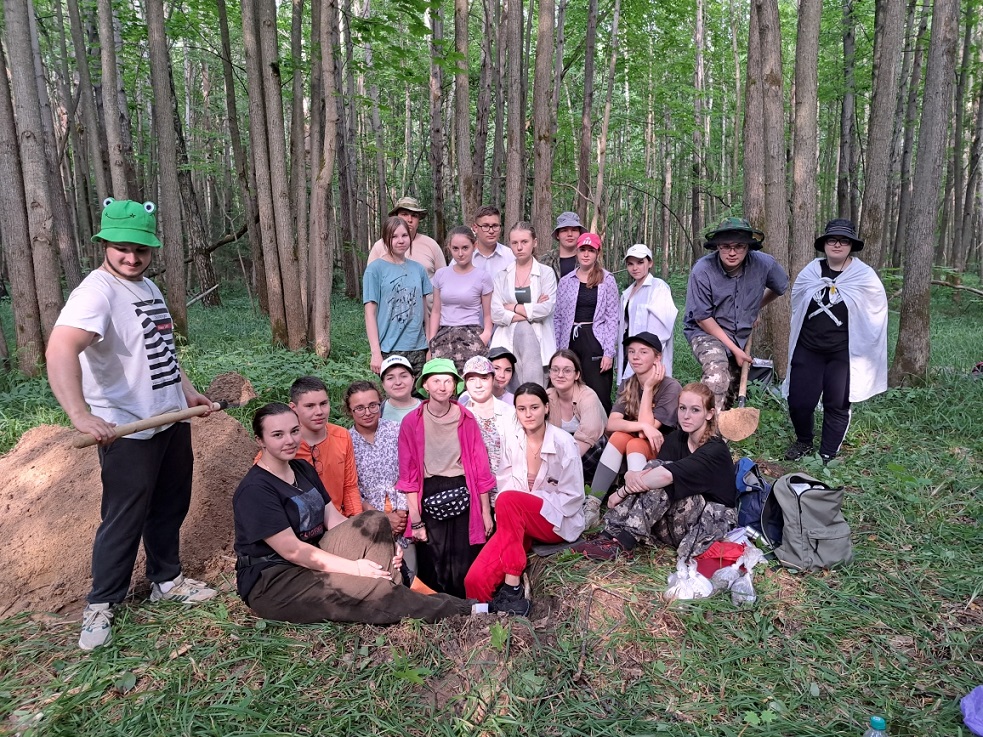
The approach to scientific research is further reinforced by the course "Organization of Scientific Research in Biology," taught in the second semester. In this course, students master research methodology: selecting a topic for a future term paper; formulating research goals and objectives; choosing appropriate methods; locating scientific literature; and processing and formatting results. To pass the course, first-year students must prepare a research proposal, which can serve as the foundation for their future term paper. Students can pursue their interest in practical biology during the "summer" field placement at the end of the second semester (a full month!). This is an off-site program! You will experience life in the field, study the biodiversity of terrestrial and aquatic ecosystems, collect herbarium specimens, catch insects, and observe vertebrates at various times of day – all while enjoying fresh air, physical activity, campfires, and student camaraderie! It is an experience you will remember for a lifetime! You will visit forests, steppes, and wetlands – all of which are found in the Tula region – and see firsthand just how unique our region's nature is. During this time, you can even gather material for a future term paper! And this is all in first year!
In second year, you will study "Microbiology and the Fundamentals of Virology," "Biophysics," "Cytology and the Fundamentals of Histology," "Ecology and Sustainable Nature Management," and "Analytical Chemistry" (crucial for characterizing the environments where organisms live), as well as "Statistical Analysis of Biological Experimental Data" (essential for scientific research). During this year, you will complete and defend two term papers! Each term paper is a unique project!
In-depth study of specialized subjects begins in the third year; bio-ecology students will study "Flora and Fauna of the Tula Region" or "Biological Systematics."
In the fourth year, get ready to study "Human Biology and Ecology," "Biochemistry," "Molecular Biology," "Gene and Cell Engineering," and "Introduction to Biotechnology" (and, once again, a term paper!). We won't forget about bioethics, either. The specialization will be deepened through courses such as Biogeography, Biomonitoring, and Biosensors in Ecology.
And what about practical training? Naturally! At the end of the 3rd and 5th semesters, students undertake academic and research internships (two weeks in laboratories), while the 4th and 6th semesters conclude with professional internships (one month). Where would you like to go? Research centers? Nature reserves? Industrial enterprises? Nothing is impossible!
The program culminates in the defense of a final qualifying project. This project can be based on coursework completed during second or fourth year, as well as data gathered during professional internships. While a list of suggested topics is available, you are free to conduct research that genuinely interests you. Examples of topics include:
- Agro-steppes of Kulikovo Field: carbon transformation dynamics in the plant-soil system;
- Ecology and distribution of the steppe marmot (Marmota bobak) in the Tula Region;
- Structural and functional characteristics of broad-leaved forest vegetation in the Tula Region: a case study of MalinovaiaZaseka;
- Growth parameters and plant-growth-promoting properties of the hydrocarbon-degrading strain Rhodococcusqingshengii F2-2;
- Behavioral characteristics of predatory mammals in captivity.
Key disciplines
Key disciplines
- Botany;
- Zoology;
- Microbiology and Fundamentals of Virology;
- Genetics and Evolution;
- Ecology and Sustainable Natural Resource Management;
- Organization of Biological Research;
- Monitoring and Management of Biological Resources;
- Flora and Fauna of the Tula Region;
- Earth Sciences;
- Biogeography;
- Environmental Protection and Conservation Management.
Practice
The curriculum includes both introductory and professional internships. Introductory internships comprise an orientation placement (1st semester, 2 weeks) and research work (2nd semester, 4 weeks; 3rd semester, 2 weeks); these take place in departmental laboratories and in the field to familiarize students with biological research methods. Professional internships are scheduled for the 4th (4 weeks), 5th (2 weeks), and 6th (4 weeks) semesters, as well as the 8th semester (a 6-week pre-graduation internship), and are conducted at research centers, nature reserves, and various organizations. This enables students not only to master advanced ecological research methods but also to explore potential employment opportunities and gain experience working within a team.
Practice
Partners and Employers
Students
The student is passionate about biology, has a broad outlook, is interested in modern research in biology and ecology, is willing to work in research centers and nature reserves, and can read articles in English. They are good students, engage in scientific research (not just as part of their coursework or final thesis), are able to process research results, discuss and publish materials, are able to give presentations, participate in scientific conferences, and are willing to organize a research club for other students on the topic of their research.
After Graduation
Professional skills and competencies
Professional skills and competencies
Mastery of modern biological, physiological-biochemical and biomedical methods, practical training, broad outlook, familiarity with modern instrumentation, ability to organize a study/experiment, discuss and report its results. You will be the best biologists and biomedics in the Tula region and beyond!
Professional Path
Students can continue their education in master's and postgraduate programs at Tula State University, the Pushchino Scientific Center, and at enterprises in Tula, the Tula Region, and other regions of the Russian Federation.
Where to realize yourself
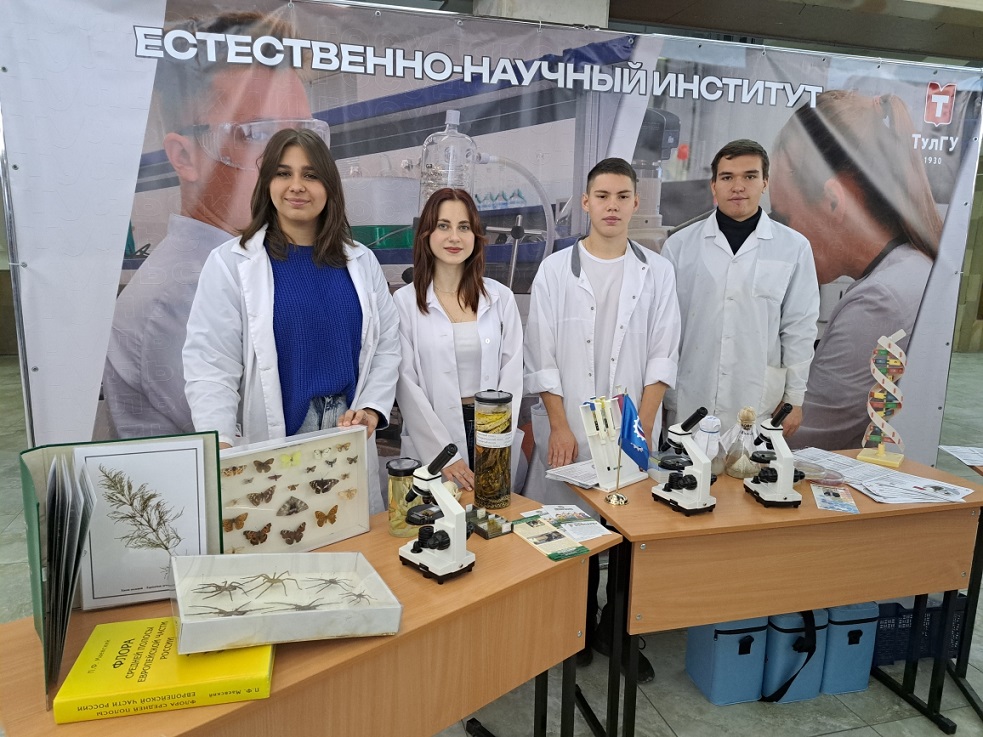
Students may continue their studies in Master’s and postgraduate programs at TulSU and the Pushchino Scientific Center, as well as at enterprises in Tula, the Tula Region, and other regions of the Russian Federation.