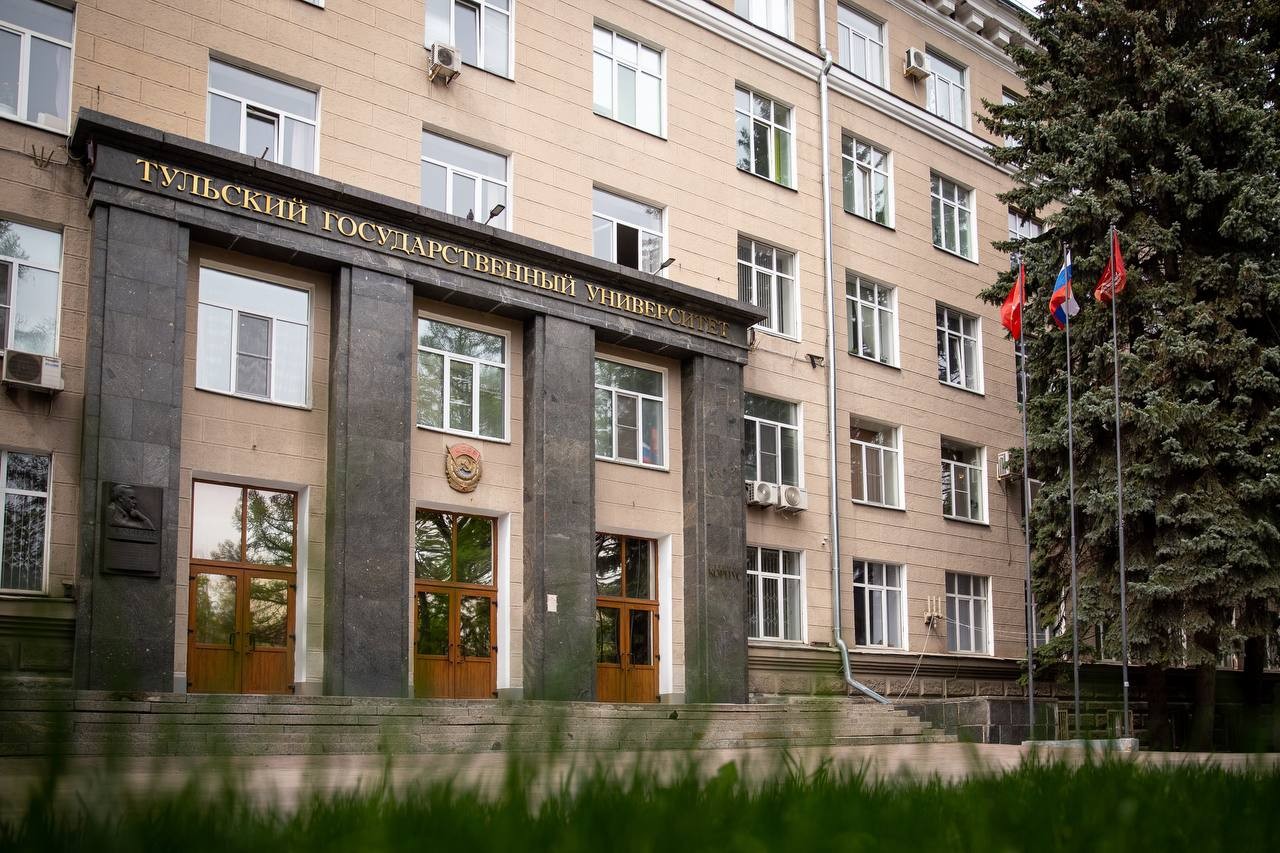
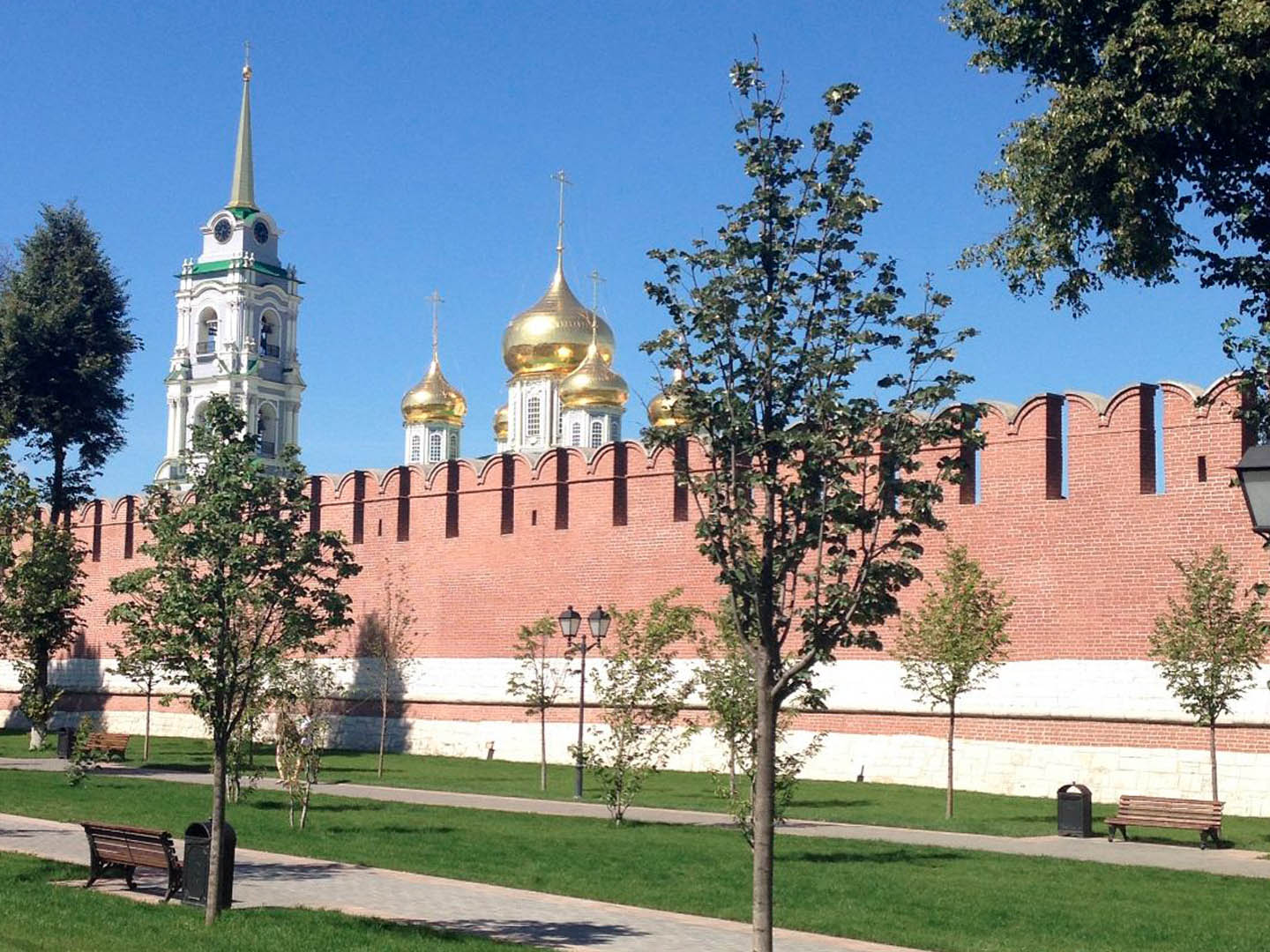
Architecture
07.03.01 Architecture
About
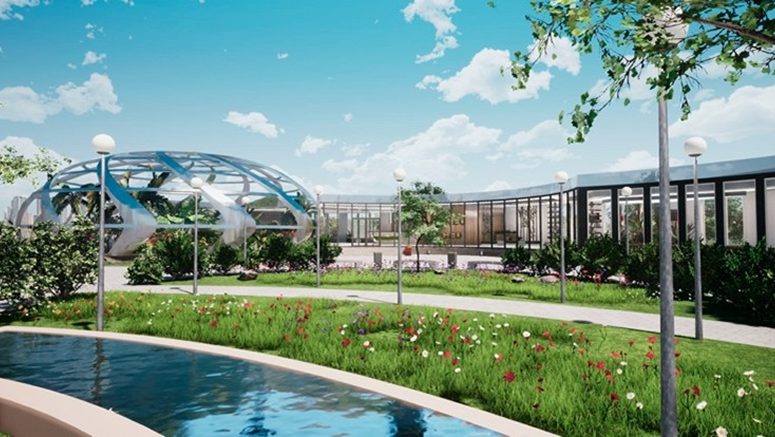
We train architects and specialists in urban spaces design - specialists who are capable of creating a harmonious and functional environment for human life. The program is suitable for those who have creative ambitions, a desire to bring their ideas to life, and a willingness to study and work hard. This profession requires not only creativity, but also technical knowledge, special skills, and perseverance.
Over four years, each student completes several projects, moving from simple objects to more complex, and building a portfolio. Projects made during university studies often serve as the best recommendation for employment. Therefore, we pay a lot of attention to design work, and our lecturers strive to reveal the individuality of each future architect.
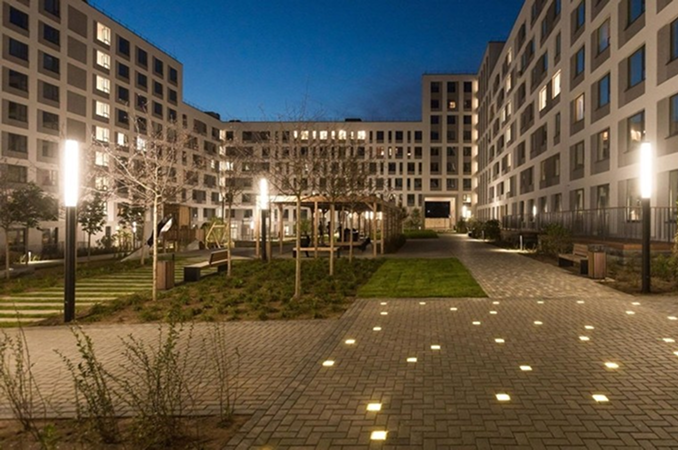
Students design sports facilities, hotels, and cultural facilities, modern public spaces in Tula and Central Federal District, which admire citizens and tourists.
Program Description
Creative arts classes are held in small groups, so lecturers can see the progress of each student, help and guide each of them individually.
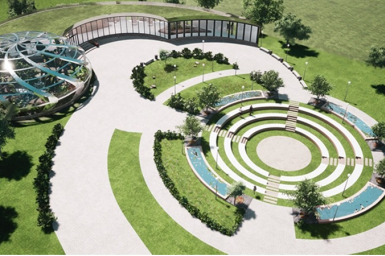
Students participate in case tournaments held by industrial partners, develop conceptual and technical projects, create plans, drawings, 3D models and layouts under the guidance of university professors and present their projects to customers, organizations and other interested parties.
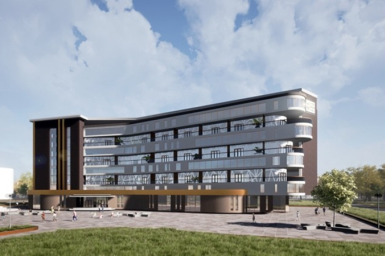
The program focuses on the formation of individual trajectories and practice-oriented learning.
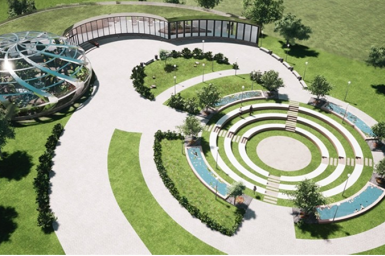
Students work both as a team and independently, while carrying out projects based on real orders, participate in architectural competitions and exhibitions.
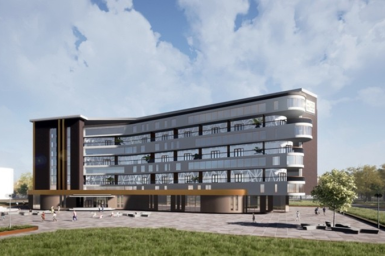
The university is equipped with drawing, painting, and sculpture workshops and computer rooms for classes.
Head of Program
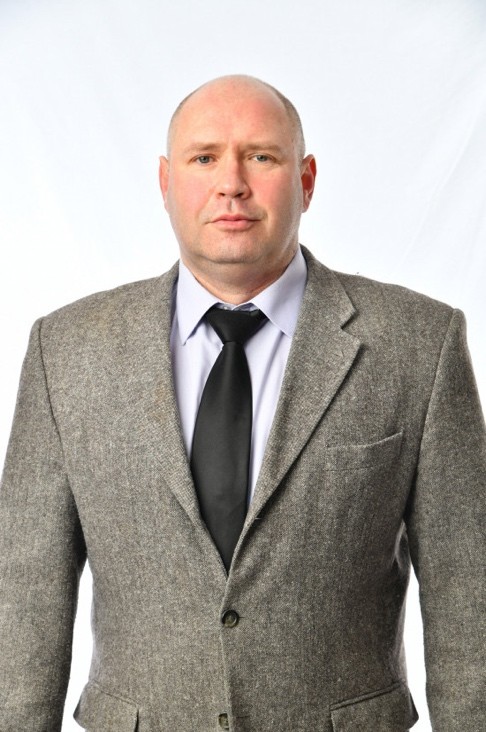
Golovin Konstantin Aleksandrovich
Doctor of Technical Sciences, Head of the Department of Urban Construction, Architecture and Design, author of scientific papers and patents
Winner of the Engineer of the Year award, author of 4 monographs, 8 textbooks, patents of the Russian Federation.
Research/professional interests: gyrojet cementation of soils, jet destruction of materials, high and ultrahigh pressure hydraulics.
Enrollment Plan1:
| Study mode | State-funded places | Hospital-funded place | Places for preferential categories | Places for special categories | Self-funded places |
|---|---|---|---|---|---|
Offline |
15 | - | 2 | 2 | 42 |
Tuition fee2:
| Study mode | Full time | Individual study path |
|---|---|---|
Full time (Offline) for the citizens of the Republic of Belarus, the Republic of Kazakhstan, the Republic of Kyrgyzstan, the Republic of Tajikistan |
233 000 roubles per year |
- |
Full time (Offline) go the citizens of other countries |
304 500 roubles per year |
- |
Entrance examination3 (minimum score):
Mathematics (40)
Russian Language (40)
Creative Drawing Test (Architecture) (30)
Organising Institute:
Institute of Construction and Architecture
Submission of documents for “Open-Pit Mining” program: +7 4872 73-44-76, e-mail: foreign@tsu.tula.ru
Submission of documents for “Architecture” program: +7 4872 73-44-76, e-mail: foreign@tsu.tula.ru
Submission of documents for a pre-university course of Russian: + 7 4872 73-44-76, e-mail: podfaktula@mail.ru
Training
In the first year, students study mainly general education and humanities subjects, but also some special subjects such as Sculpture, Drawing, Painting, and an Introduction to Architectural Design.
Starting from the second year, there are more and more professional disciplines in the schedule: Theory of Architectural Composition, Typology of Buildings and Structures, Architectural Graphics, Design and many other special subjects. In the senior years, students study the most important subject of Architectural Design, and all other core subjects of the program serve to advance the student in this subject.
Training ends with a pre-graduate internship and a final qualifying thesis in the form of a project. Students choose the topic of the thesis together with the head from the department's database, within the framework of All-Russian competitions or at the suggestion of partner organizations. Within the framework of the FQT, our students carry out projects:
Design of children's health camp in the village of Bunyrevo in the Tula region.
Project of a recreation center on the territory of the Pavlovskaya Floodplain Nature Park, Ryazan (as part of the competitive training project "My River. Ryazan 2024/25").
Design of an educational and sports building based on a swimming pool on the territory of the Pervomaisk Cadet School named after Marshal of the Soviet Union V.I. Chuikov in Pervomaisky village.
Design of a cultural and leisure center in Ryazan.
Design of a cottage settlement "Krivtsovo Park" near the village. Krivtsovo, Tula region.
Key disciplines
Key disciplines
Painting and Architectural Coloristics
Three-Dimensional Composition
Architectural Graphics
Architectural Physics
Theory of Architectural Composition
Modern Architecture and Design
Architectural Design
Structural Systems and Parts of Buildings
Mechanics of Structures
Automation of Architectural Design
Virtual Computer Modeling in Architecture
Practice
Program provides various types of practices: educational (architectural measurement, geodetic, artistic) and production (technological, design and technological, pre-graduate). Training practices take place at university's locations, while production practices take place at partners` facilities.
During training process, students can complete training at the Military Training Center in a military accounting specialty without conscription and at the Digital Department in an IT specialty free of charge.
Practice
Partners and Employers
Students
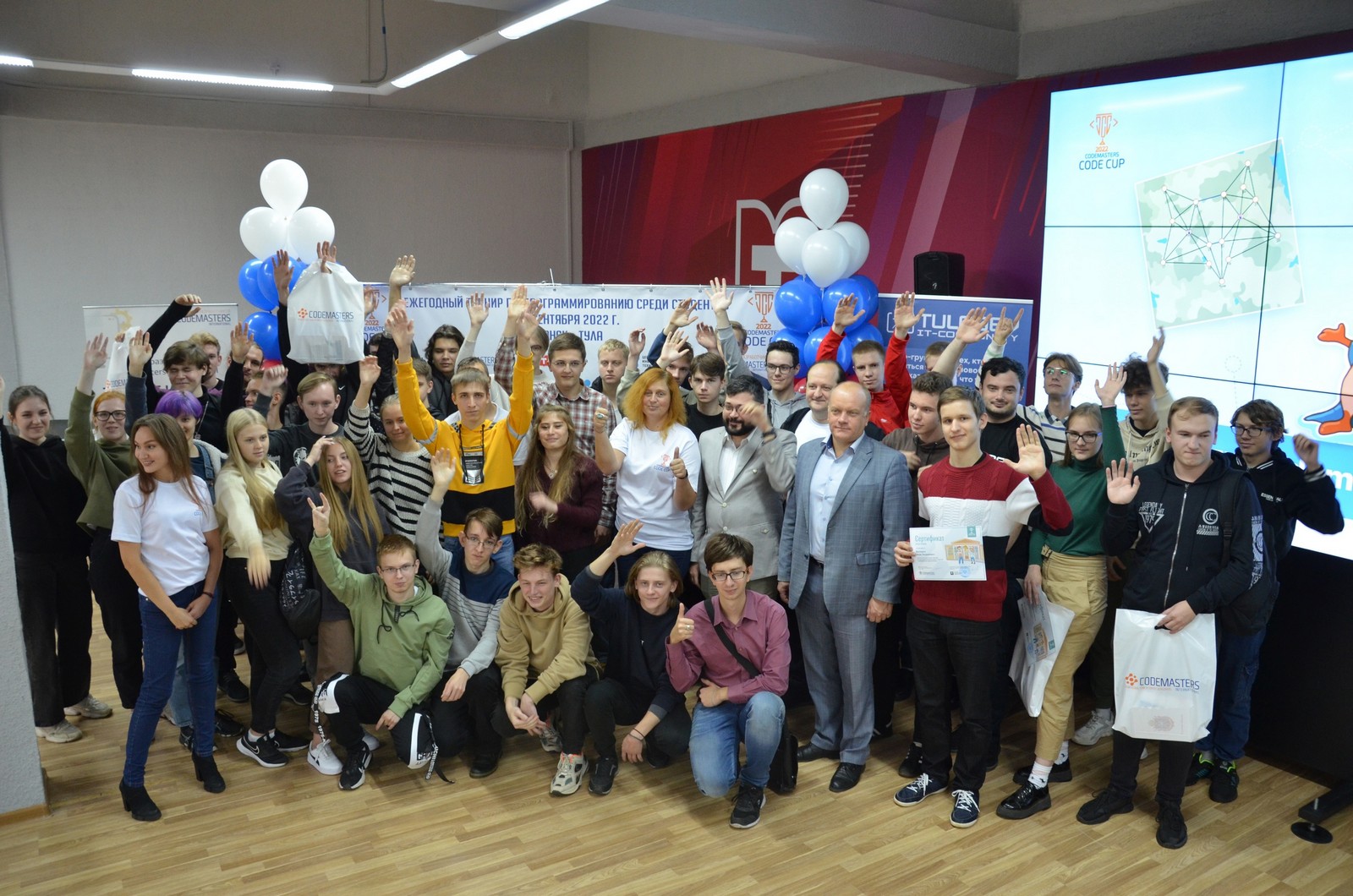
Our students have creative ambitions and desire to constantly create something new, and the best at that. They are motivated by desire to be a well-rounded person, because the profession of an architect is at the intersection between an engineer and an artist. Therefore, they are ready to constantly learn new things, look for original solutions, notice details and fantasize, and also know how to work in a team and generate ideas.
After Graduation
Professional skills and competencies
Professional skills and competencies
Development of concepts and implementation of draft designs for public building complexes.
Knowledge of architectural technologies and general design principles, including an understanding of spatial organization, form, textures, and other design elements.
Knowledge of legislative priorities and regulatory mechanisms that affect the design of buildings and other facilities.
Communication skills necessary to coordinate views and ensure that the accurate communication of conceptual and technical project details.
Proficiency in the use of computer-aided design tools such as ArchiCAD, Revit, RengaArtlantis, Blender, Adobe Photoshop and others.
Development of models for component design and detailing prior to construction.
Ability to work in a team with other professionals, including interior designers, engineers and planners.
Skills in managing and coordinating the design process, including assigning tasks and ensuring projects are completed on time.
Professional Path
A certified specialist can choose from dozens of diverse career paths, from working with virtual reality to creating smart city systems. Architectural education forms a unique combination of technical and creative skills that are highly valued not only in the construction industry.
The main directions of the architect's work today are:
- Residential and Public Buildings Design
- Urban Planning and Urban Studies
- Landscape Architecture and Public Spaces Design
- Restoration and Preservation of Architectural Heritage
- Interior Design and Creation of Unique Spaces
- Parametric Architecture and Digital Modeling
In the main areas, graduates can work in private and public organizations, architectural bureaus, construction companies, design studios and restoration workshops.
- Government organizations: work in government agencies or municipal administrations, planning urban development and monitoring the compliance of construction with legislation and safety standards.
- Architectural firms: develop projects of various scales - from residential buildings to commercial complexes and government facilities.
- Construction companies: work on construction sites and interaction with engineers to ensure proper implementation of projects.
- Education and research: teaching at universities and colleges, as well as conducting academic research in the field of architecture.
- Private practice: conducting independent practice and carrying out various projects.
- Interior design: specializing in interior design, creating unique and functional spaces for residential or commercial premises.
- Restoration and preservation: restoration and preservation of historical buildings and architectural monuments.
Where to realize yourself

Architecture is the most ancient art of designing and constructing various buildings and structures. At the same time, it is a scientific discipline that addresses the challenges of creating spatial environment for comfortable living. Advances in artificial intelligence technologies will significantly expand the architects` capabilities, improving design and planning process, as well as boosting productivity. Due to its ability to process large volumes of data, AI can provide architects with a wide range of design options taking into account criteria such as budget, space requirements, and sustainability goals calculated as part of the design process.